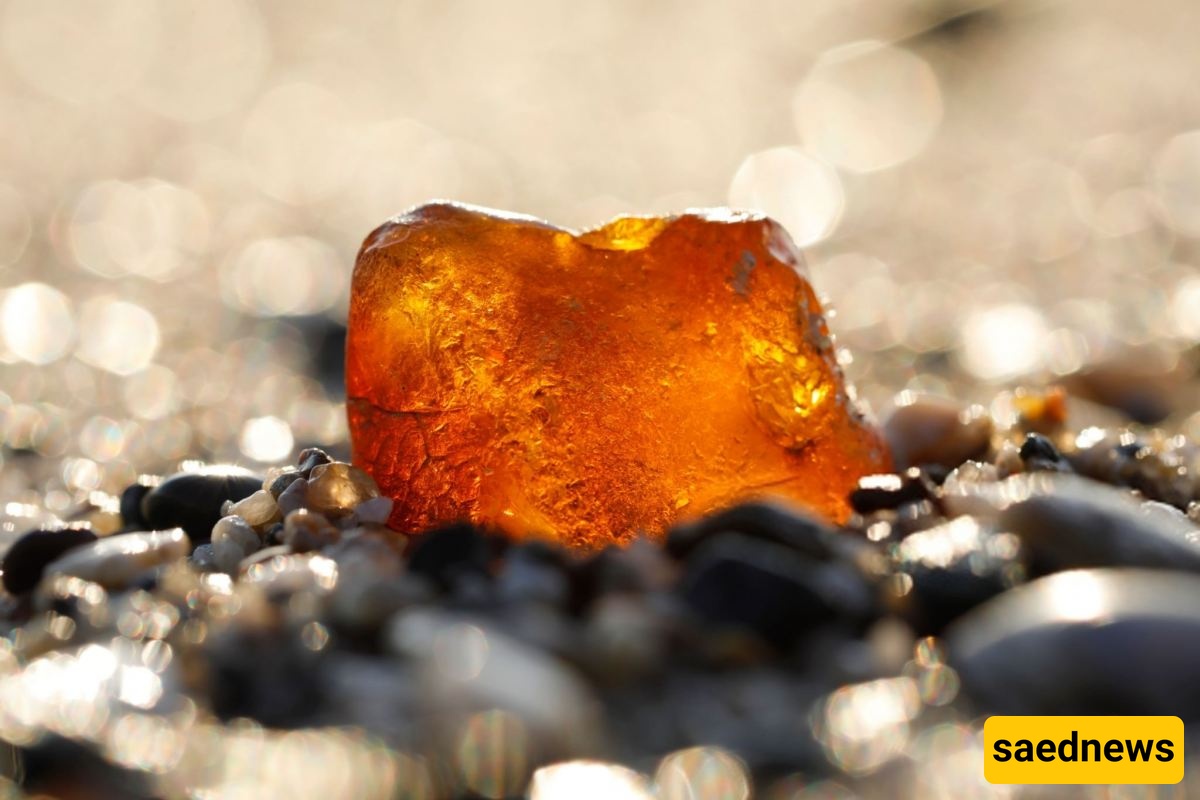
SAEDNEWS: Amber, the fossilized resin of ancient trees, is an organic gemstone that has existed for millions of years. In this article, discover everything you need to know about this remarkable natural treasure, from its origins and formation to its unique characteristics and fascinating history.
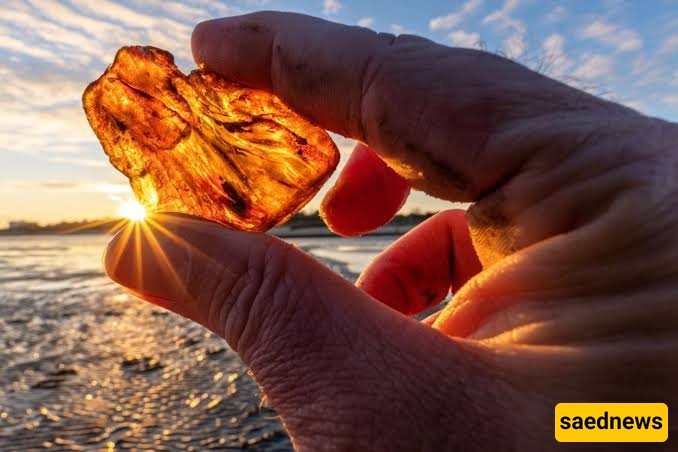
According to Saednews, Amber is one of the most fascinating and ancient gemstones in the world, with its origins deeply connected to ancient trees. This brilliant yellow-orange gem is not a mineral stone, but rather fossilized tree resin from coniferous trees that lived millions of years ago during the Mesozoic era.
Since ancient times, amber has attracted the attention of various civilizations not only because of its unique beauty but also because of its believed healing and metaphysical properties. In this comprehensive article, you will learn everything about amber: from how it forms and its different varieties to methods of identifying authentic amber and important buying tips.
Introduction to Amber
Amber has been used by humans since the Stone Age. In ancient Greek civilization, amber was called “electron” because it produced an electric charge when rubbed. The word “electricity” was derived from this same term. According to Greek mythology, amber was believed to be the tears of the sun goddess that had transformed into stone.
In Northern European legends, amber was considered the tears of the sea goddess Freyja. During the Roman Empire, amber was sometimes valued more highly than gold, and Cleopatra was said to have used it in her royal jewelry. In ancient China, amber was known as the “soul of the tiger” and was considered a symbol of strength and courage.
Today, amber continues to hold a special place in jewelry making, scientific research (because of its ability to preserve insects and plants inside it), and traditional medicine.
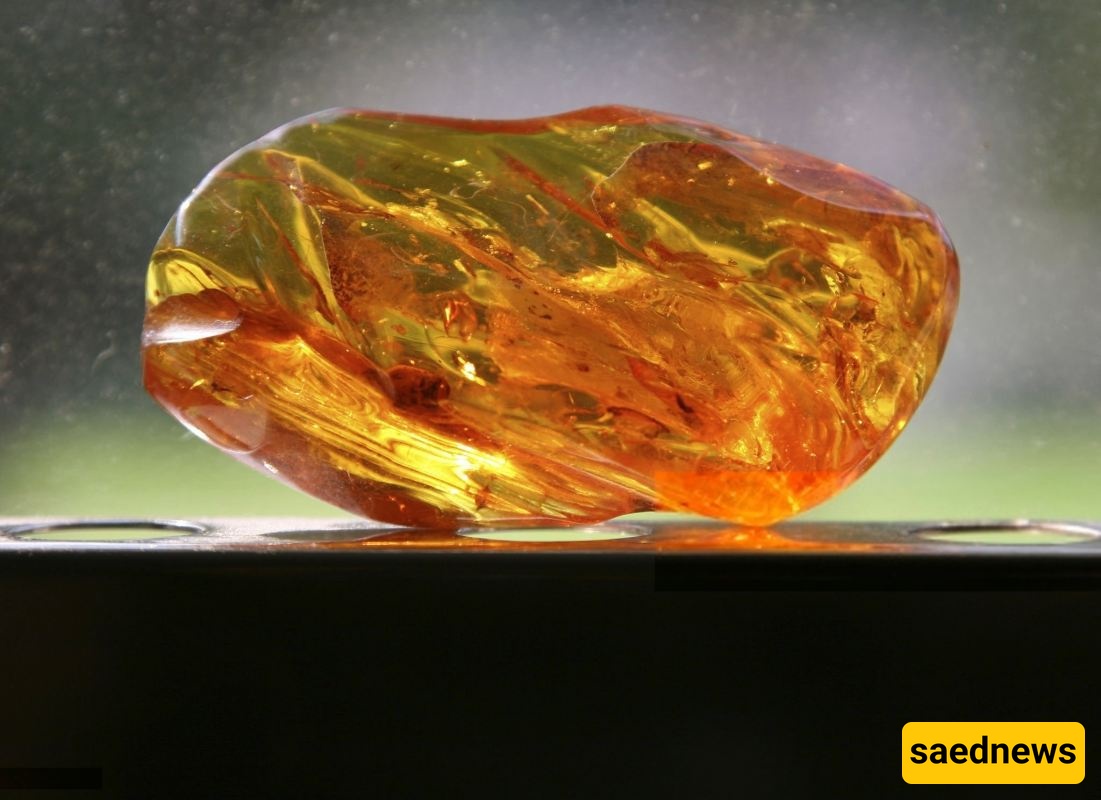
Formation and Chemical Composition of Amber
Amber is an organic gemstone. Unlike diamonds or rubies, which are formed from minerals deep within the Earth, amber originates from the resin of coniferous trees, especially species related to Pinus succinifera.
The formation process of amber includes several stages:
1. Resin Secretion:
Around 30 to 50 million years ago (from the Eocene to Cretaceous periods), ancient coniferous trees began releasing resin to protect and repair damaged areas.
2. Burial:
The sticky resin fell to the ground and often trapped insects, leaves, seeds, and other organic materials inside.
3. Polymerization:
Over time, pressure from sediments and natural heat caused the resin to harden gradually, transforming it into a substance known as copal.
4. Fossilization:
After millions of years, further chemical changes completed the fossilization process, turning copal into true amber.
The chemical composition of amber mainly consists of:
Carbon (approximately 79%)
Hydrogen (approximately 10%)
Oxygen (approximately 11%)
It may also contain small amounts of elements such as sulfur and iron, which influence its color.
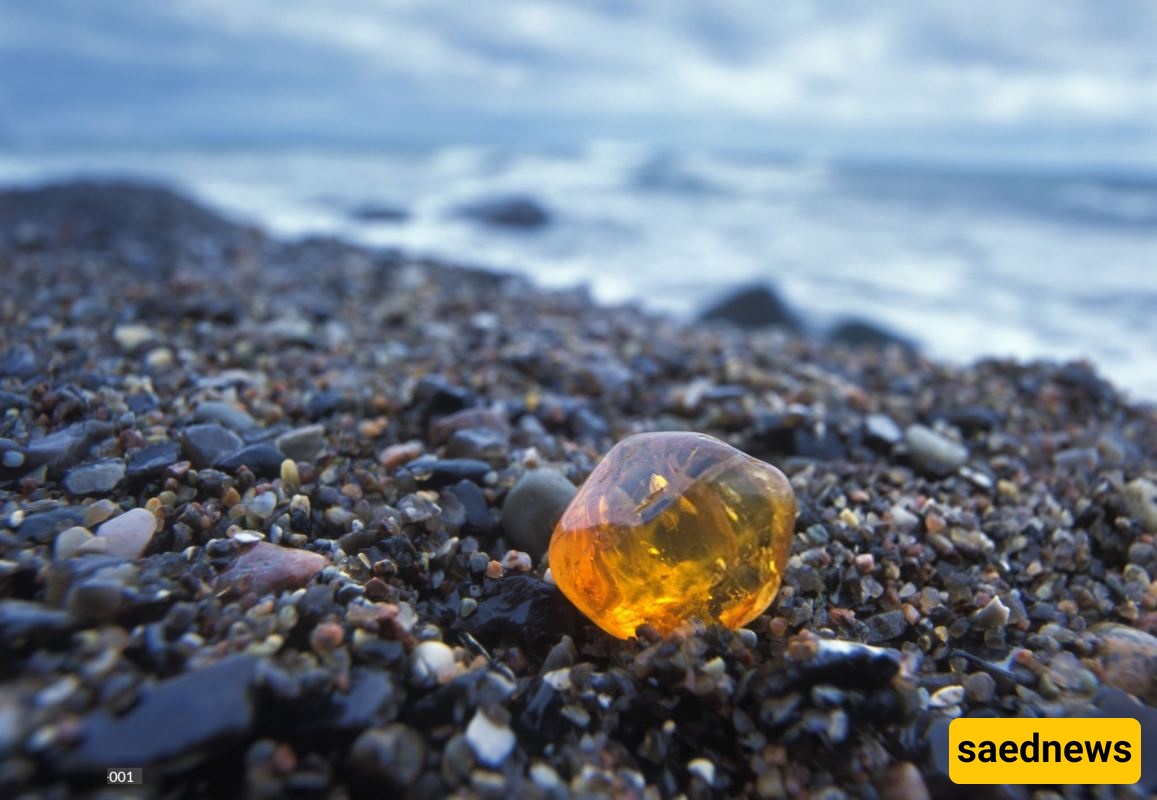
Types of Amber Based on Color and Transparency
The most common amber color ranges from honey yellow to orange-brown, but amber exists in many different shades:
Clear Amber:
A highly transparent variety with minimal bubbles and impurities. It is among the most valuable types.
Straw Amber:
A light yellow, slightly cloudy variety that usually contains tiny bubbles.
Honey Amber:
A dark golden-brown variety known for its warm and attractive appearance.
White or Bone Amber:
A milky white, opaque variety caused by a high concentration of microscopic gas bubbles. It is rare and valuable.
Green Amber:
A variety created by natural organic inclusions or exposure to ultraviolet light. Its shades range from olive green to grass green.
Blue Amber:
The rarest type of amber, mainly found in the Dominican Republic. Under ultraviolet light, it displays a bright blue glow.
Red or Cherry Amber:
A rare dark cherry-colored variety that may result from natural or artificial heat treatment.
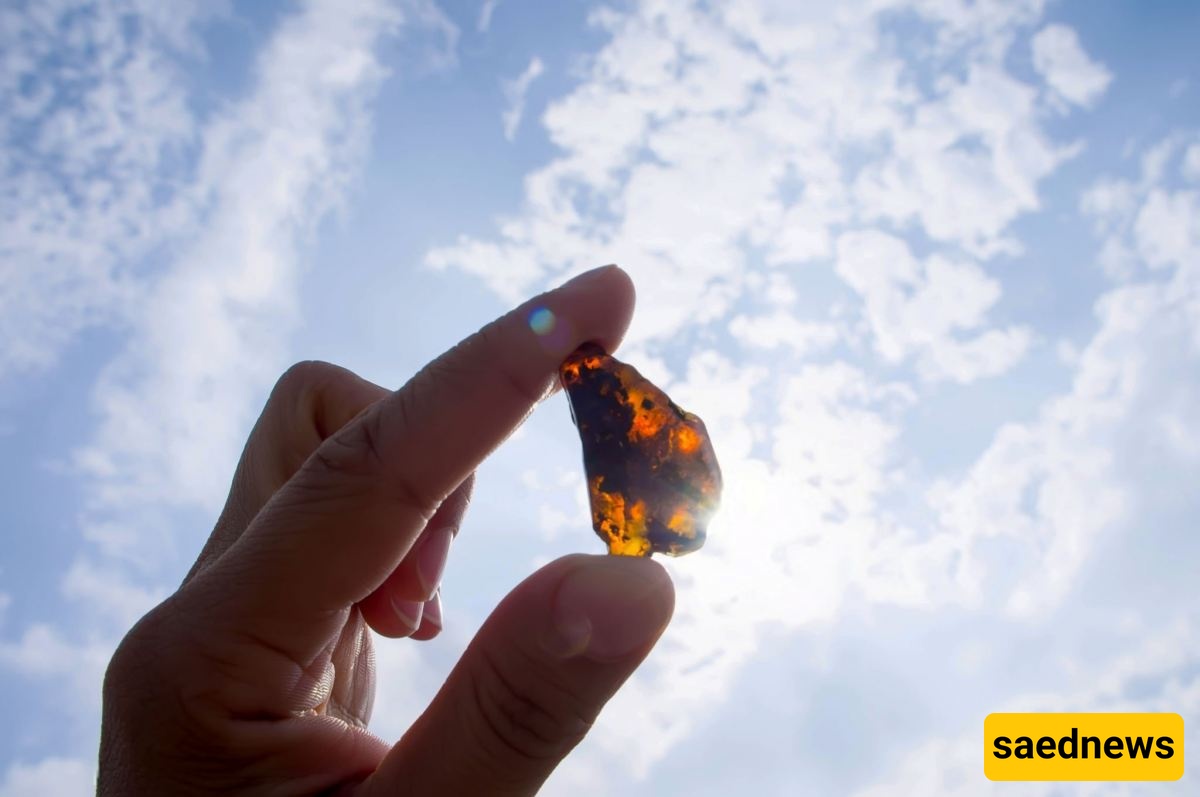
Types of Amber Based on Geographic Origin
Baltic Amber:
The most famous and highest-quality amber variety, estimated to be 30–40 million years old. It comes from the Baltic Sea region, including Poland, Lithuania, and Russia. More than 90% of the world’s amber supply comes from this area.
Dominican Amber:
Known for being clearer and more brilliant than Baltic amber. It is often found in green or blue colors and is famous for preserving insects with exceptional detail.
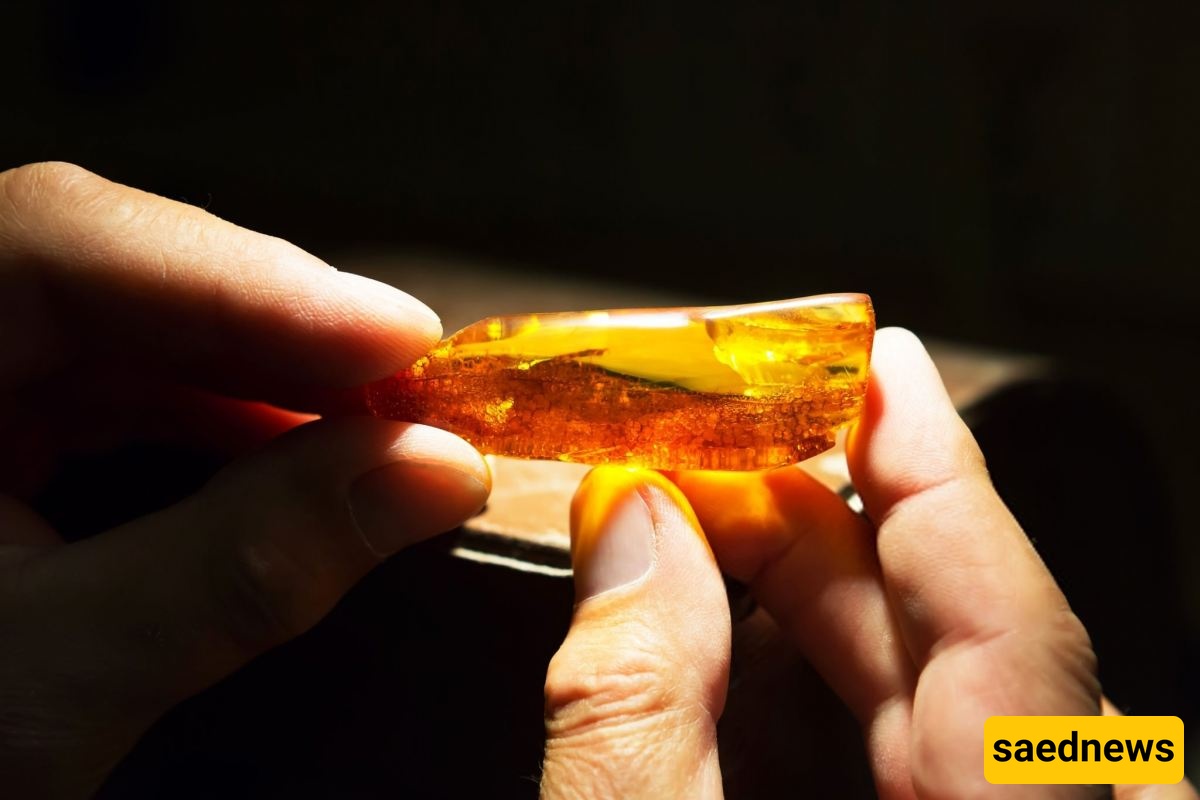
Mexican Amber:
Similar to Dominican amber but often recognized for its deep red and dark honey tones.
Burmese Amber:
The oldest known amber variety, dating back up to 100 million years. It is usually reddish-brown and has a higher hardness compared with many other types.