SAEDNEWS: Exercise by itself cannot compensate for the damage caused by processed and unhealthy foods. A healthy diet plays the primary role in maintaining overall health.

According to Saednews, In today’s fast-paced world, many people are searching for a way to balance their enjoyment of food with maintaining good physical health. One of the most common questions in the fields of fitness and nutrition is: “Can you eat unhealthy foods and then compensate for them through exercise?”
The common belief is that if the calories consumed are burned through exercise, there is no need to worry about the quality of the food. However, scientific reality is much more complex than a simple calculation of calories in versus calories out.
The human body is not just a basic calorie-burning machine. Metabolism is a highly complex, multi-layered process influenced by many factors, including the type of nutrients consumed, timing of food intake, hormonal balance, and even the gut microbiome. When we talk about unhealthy foods, the problem is not only their high calorie content but also their poor nutritional quality and their negative effects on metabolic health.
Processed foods, especially those high in refined sugars, trans fats, and artificial additives, can:
Increase insulin resistance
Trigger systemic inflammation
Disrupt hunger and fullness hormones
Contribute to non-alcoholic fatty liver disease
Exercise, although extremely powerful, cannot completely reverse all of these negative effects.
For example, a sugary soft drink may contain around 150 calories, which could be burned through approximately 15 minutes of running. However, the harmful metabolic effects of liquid sugar on the liver and its potential contribution to increased blood triglyceride levels cannot simply be erased by going for a run.

One often overlooked issue is how poor nutrition affects the quality and effectiveness of workouts. When a diet is high in processed foods and lacks essential nutrients:
Energy levels during exercise decrease
Muscle recovery takes longer
The risk of sports injuries increases
The body’s ability to build new muscle is reduced
In other words, even if you burn the calories from unhealthy foods through exercise, your workout quality may decline due to a lack of essential nutrients such as high-quality protein, vitamins, and minerals.
This means you are not only less efficient at burning calories, but you may also lose the opportunity to optimize body composition by increasing muscle mass and reducing fat.
Unhealthy foods, especially those rich in added sugars and excessive omega-6 fats, can increase inflammation throughout the body.
Chronic inflammation is associated with a wide range of health problems, including:
Cardiovascular diseases
Type 2 diabetes
Autoimmune disorders
Premature aging
Reduced cognitive function
Regular exercise can reduce inflammation, but research suggests that the anti-inflammatory effects of exercise are limited when compared with the inflammatory impact of a consistently poor diet.
Simply put, 30 minutes of daily exercise cannot completely eliminate the inflammation caused by frequent consumption of fast food and sugary beverages.
The gut microbiome plays a crucial role in overall health. Unhealthy foods, particularly those low in fiber and high in additives, can disrupt the balance of beneficial bacteria in the digestive system.
This imbalance may lead to:
Increased intestinal permeability (“leaky gut”)
Poor nutrient absorption
A weakened immune system
Stronger cravings for unhealthy foods
Exercise can help improve microbiome diversity to some extent, but studies suggest that the effect of exercise on gut bacteria is much smaller compared with the direct influence of diet.
In other words, even if you are a professional athlete, consistently eating unhealthy foods can still damage your gut health.
One of the most important factors ignored in the equation “unhealthy food + exercise = health” is the impact of processed foods on appetite-regulating hormones.
Unhealthy foods can:
Disrupt leptin, the hormone responsible for feeling full
Increase ghrelin, the hunger hormone
Stimulate dopamine-based reward systems, increasing cravings and overeating behavior
As a result, after eating highly processed foods, people are more likely to consume additional calories later.
Even if the initial calories are burned through exercise, hormonal changes can encourage extra calorie intake in future meals. This cycle makes weight management and maintaining fitness much more difficult.
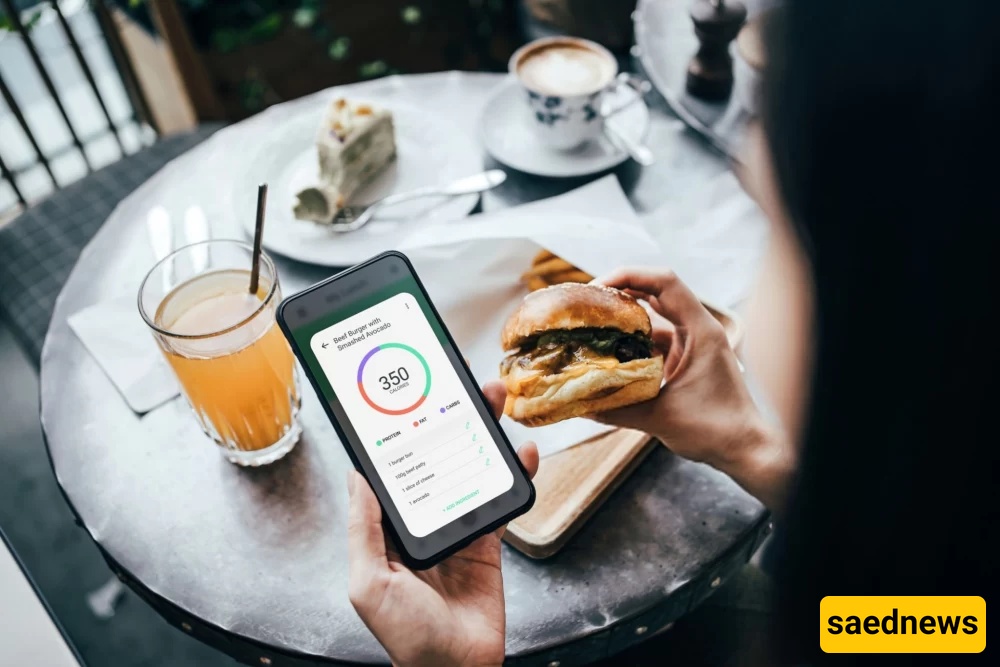
Cardiovascular health is not determined only by body weight or calorie balance.
Unhealthy foods can:
Increase blood pressure
Raise LDL (“bad”) cholesterol levels
Promote plaque buildup in arteries
Damage endothelial function, the inner lining of blood vessels
Aerobic exercise improves heart health, but it cannot completely eliminate the negative effects of a diet high in unhealthy fats, salt, and processed ingredients.
Research shows that even people who appear thin but follow a poor diet may be metabolically unhealthy and still face increased risks of heart disease.
This condition, sometimes called “normal-weight obesity,” demonstrates that body weight and calories are only part of the overall health picture.
A common strategy among athletes is eating less healthy foods during the so-called “anabolic window,” the short period after exercise when the body is believed to absorb nutrients more efficiently and store fewer calories as fat.
While this concept can have some benefits, it has important limitations:
The anabolic window is not as wide as many people believe
Nutrient quality still matters
Processed foods can still promote inflammation, even after workouts
A better approach is to focus on whole, nutrient-rich foods after exercise and treat unhealthy foods as occasional enjoyment rather than the foundation of your diet.
Does this mean you should never eat unhealthy foods?
Absolutely not.
A flexible and sustainable approach is the key to long-term success. The 80/20 rule provides a balanced strategy:
80% of your daily calories should come from whole, nutritious foods
20% can be reserved for enjoyable foods
This approach allows you to maintain your health without feeling restricted.
However, even within the 20% category, making smarter choices is beneficial. For example, instead of eating highly processed frozen pizza, choose a homemade pizza made with higher-quality ingredients.
If you occasionally eat unhealthy foods, you can reduce their negative effects through strategies such as:
Water helps the body manage excess sodium and may support normal fluid balance.
Colorful fruits and vegetables provide antioxidants that help reduce oxidative stress associated with processed foods.
Building muscle helps increase resting metabolic rate and improves body composition.
Quality sleep supports appetite regulation, hormone balance, and inflammation control.
Chronic stress can worsen the negative effects associated with unhealthy eating habits.
The answer is: not completely.
Exercise is one of the most powerful tools for improving health, increasing fitness, building muscle, and supporting mental well-being. However, it cannot fully erase the harmful effects of a consistently poor diet.
A healthy lifestyle depends on the combination of:
Regular physical activity
High-quality nutrition
Adequate sleep
Stress management
Consistent healthy habits
You do not need to avoid every enjoyable food, but relying on exercise as a way to “pay back” unhealthy eating is not an effective long-term strategy.
The goal is not perfection. The goal is balance: fuel your body with nutritious foods most of the time, enjoy treats occasionally, and use exercise as a tool for health—not as a punishment for eating.