SAEDNEWS: Most people have no idea that their health depends, in part, on the remarkable blue blood of an ancient marine creature that looks like a cross between a spider and a giant armored bug. This fascinating animal is the horseshoe crab, one of the oldest living species on Earth.
According to Saednews, Many people are unaware that the safety of many medical treatments depends on the remarkable blue blood of the horseshoe crab, an ancient marine animal that resembles a cross between a spider and a giant crustacean. Horseshoe crabs have lived on Earth for more than 450 million years, making them far older than dinosaurs.
Each spring, horseshoe crabs gather along Atlantic coastlines to spawn, with peak breeding occurring during the full and new moons in May and June. These living fossils are found in the Atlantic, Indian, and Pacific Oceans and play a crucial role in protecting millions of patients every year.
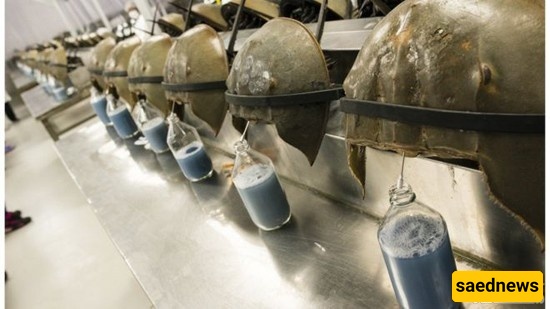
Their blood is exceptionally valuable, with one liter worth up to $15,000, because of its unique ability to detect dangerous bacterial contamination.
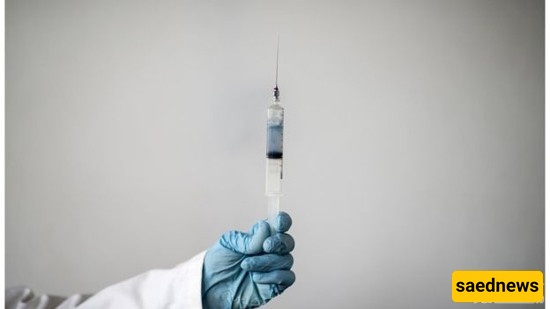
Since the 1970s, scientists have relied on horseshoe crab blood to ensure that medical devices, injectable medicines, vaccines, intravenous fluids, and implants are free from harmful bacterial toxins. Even tiny amounts of contamination can be life-threatening, and the crab's blood provides an extremely sensitive testing method.
The active ingredient in the blood is used in the Limulus Amebocyte Lysate (LAL) test, derived from American horseshoe crabs, and the Tachypleus Amebocyte Lysate (TAL) test, produced from Asian species.
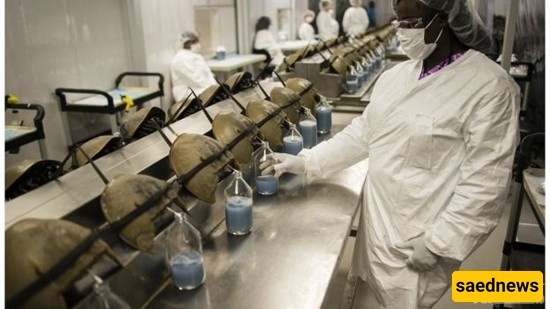
Unlike human blood, which is red because it contains iron-based hemoglobin, horseshoe crab blood is blue because it contains copper-based hemocyanin. More importantly, specialized cells in the blood rapidly form clots when they encounter bacterial toxins, allowing scientists to detect contamination with extraordinary sensitivity.
During the harvesting process, technicians carefully puncture the shell near the animal's heart and remove approximately 30% of its blood. The crabs are then returned to the ocean.
However, research indicates that 10–30% of the crabs die after bleeding, while many surviving females experience reduced reproductive success, raising serious concerns about the long-term health of wild populations.
Only four species of horseshoe crabs remain worldwide, and all face conservation threats. Their populations are affected by biomedical harvesting, collection for fishing bait, habitat destruction, and environmental pollution.
As the global population grows and medical treatments become more widespread, demand for LAL and TAL testing is expected to increase, placing additional pressure on these ancient animals.
Scientists and environmental organizations are encouraging the development of synthetic alternatives that can detect bacterial toxins without relying on horseshoe crabs. While laboratory-made tests are considered a more ethical option by many conservationists, pharmaceutical manufacturers maintain that these alternatives must first demonstrate the same reliability and effectiveness in real-world medical applications before they can fully replace traditional horseshoe crab blood tests.