SAEDNEWS: In this article, we explore the breathtaking Faroe Islands and introduce what makes this remote North Atlantic destination so unique. You'll discover essential information about the islands, their top tourist attractions, and practical travel tips to help you plan an unforgettable visit.
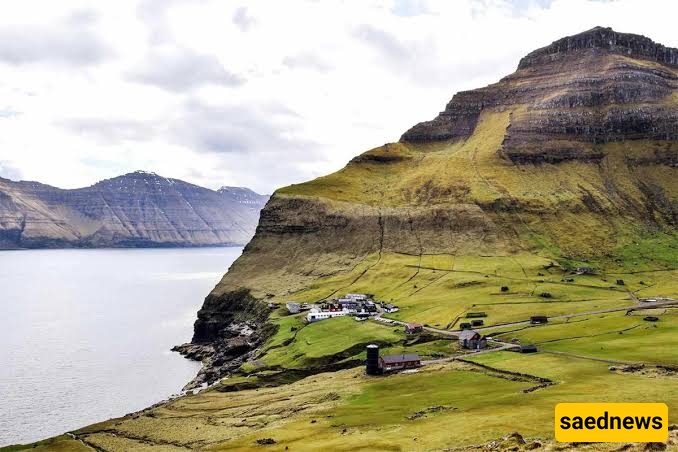
According to Saednews, The Faroe Islands are a breathtaking archipelago of 18 volcanic islands located between the Norwegian Sea and the North Atlantic Ocean. Covering approximately 1,400 square kilometers (540 square miles), the islands are renowned for their dramatic landscapes, towering sea cliffs, cascading waterfalls, and peaceful villages. For travelers seeking pristine nature, outdoor adventures, and a tranquil escape from crowded tourist destinations, the Faroe Islands offer an unforgettable experience.
The Faroe Islands have a fascinating political and cultural history. Following the Treaty of Kiel in 1814, the islands remained under the Danish Crown after Norway was separated from Denmark. In 1948, the Faroe Islands were granted Home Rule, allowing them to manage most domestic affairs independently while Denmark continues to oversee defense, foreign policy, and parts of the judicial system.
Although closely connected to Denmark, the Faroe Islands maintain their own government, language, and cultural identity. They also have strong historical ties with Iceland, Greenland, Orkney, and the Outer Hebrides. Importantly, the Faroe Islands are not a member of the European Union, despite their association with the Kingdom of Denmark.
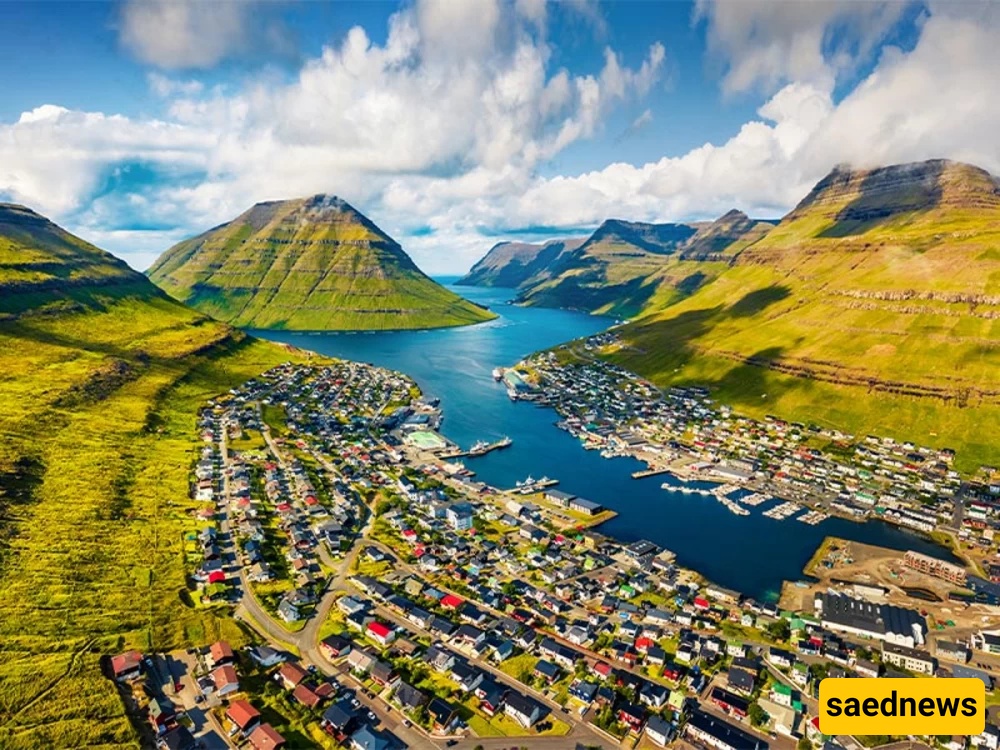
The name Faroe comes from the Old Norse word "Færeyjar," meaning "Sheep Islands." The name perfectly reflects reality—sheep vastly outnumber people across the islands.
With roughly 80,000 sheep and only around 54,000 residents, sheep are an iconic part of Faroese life. Travelers often encounter sheep grazing freely on hillsides or even crossing roads, occasionally creating "sheep traffic" in place of traditional traffic jams.
The ram is also an important national symbol, representing the islands' deep agricultural heritage.
Situated midway between Iceland, Norway, and Scotland, the Faroe Islands occupy a strategic location in the North Atlantic.
Key facts include:
Total population: approximately 54,000
Number of islands: 18
Inhabited islands: 17
Largest island: Streymoy (385 km²)
Capital city: Tórshavn, located on Streymoy
The islands enjoy a cool maritime climate characterized by mild temperatures throughout the year.
Despite their remote location, the Faroese economy is prosperous and sustainable.
Major industries include:
Commercial fishing
Seafood exports
Sheep farming
Wool production
Traditional handicrafts
Fishing remains the backbone of the economy, while sheep farming supports both the local food industry and traditional wool craftsmanship.
Visitors should note that prices are relatively high, and a 25% Value Added Tax (VAT) is included in most purchases. Eligible international travelers may claim VAT refunds on qualifying purchases when leaving the islands.
One important detail surprises many visitors:
A standard Schengen visa alone is not sufficient for travel to the Faroe Islands.
Since the islands are outside the European Union and operate separate immigration rules, travelers who require a visa should ensure their Danish visa specifically includes permission to visit the Faroe Islands.
Because of their remote location and relatively high travel costs, the islands receive fewer international tourists than many European destinations, helping preserve their untouched character.
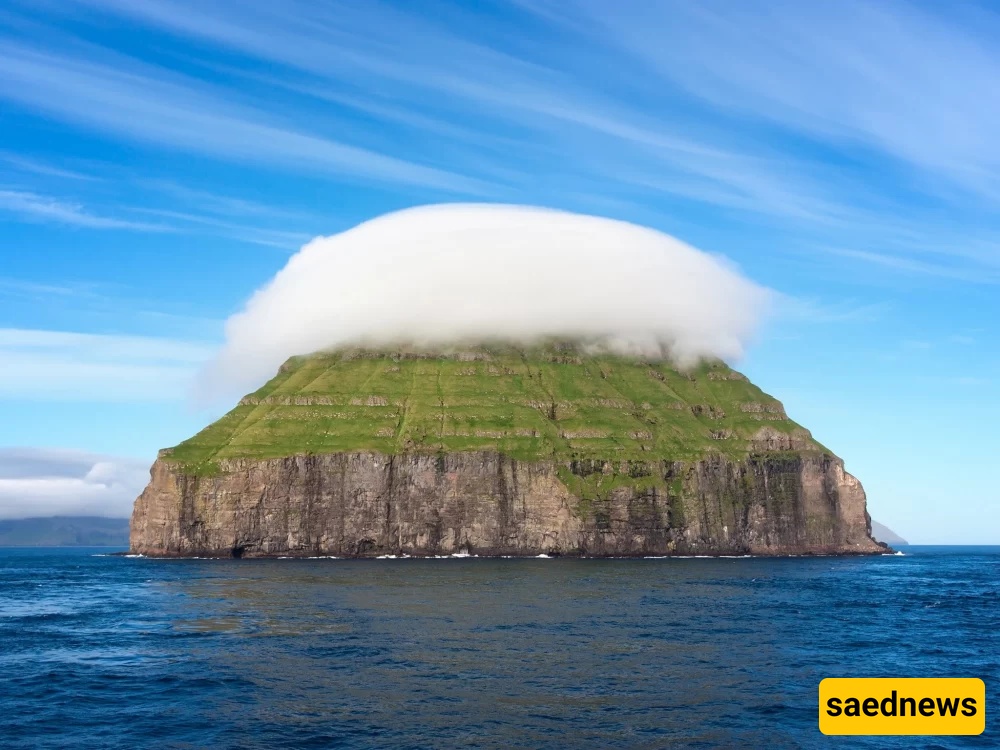
Nature dominates every aspect of life on the islands.
Besides thousands of sheep, the Faroe Islands are home to:
Millions of seabirds
Puffins
Northern fulmars
Guillemots
Storm petrels
Various seabird colonies nesting along the cliffs
The dramatic coastline, green valleys, and bird-filled skies make the islands one of Europe's premier wildlife destinations.
Contrary to some popular misconceptions, penguins do not live in the Faroe Islands. Penguins are native to the Southern Hemisphere.
Although famous for their landscapes, the Faroe Islands also feature picturesque settlements with colorful wooden houses topped by traditional grass roofs.
Travel between islands is remarkably easy thanks to:
Modern bridges
Undersea tunnels
Ferry services
Scenic mountain roads
Some smaller islands remain accessible only by boat, preserving a traditional way of life that has existed for centuries.
Located west of Streymoy, Hestur is a peaceful inhabited island with a very small population. Its dramatic cliffs, birdlife, and quiet atmosphere make it an ideal destination for hikers and photographers.
The Faroe Islands' largest lake is famous for its remarkable optical illusion, where it appears to float high above the ocean.
Separated from the Atlantic by steep cliffs, the lake creates one of the country's most photographed natural wonders.
Once isolated by mountains, Gásadalur is now connected by a tunnel and is one of the islands' most scenic villages.
Its spectacular surroundings offer panoramic views of cliffs, waterfalls, and the Atlantic Ocean.
Located beside Gásadalur, Múlafossur Waterfall is perhaps the Faroe Islands' most iconic attraction.
The waterfall plunges directly into the Atlantic Ocean, creating breathtaking scenery throughout every season.
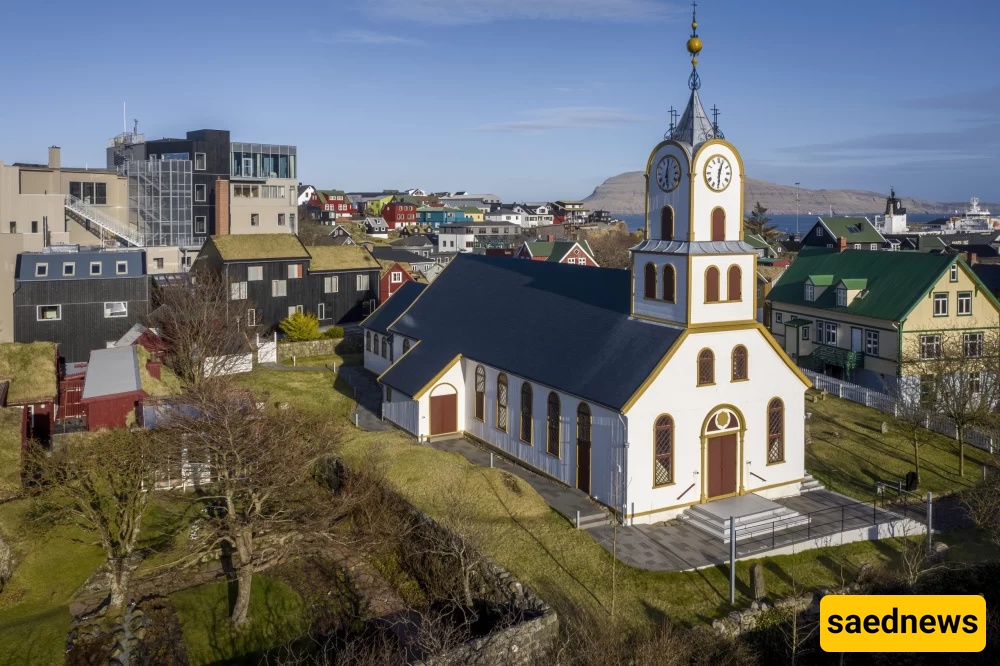
Situated in the capital city of Tórshavn, this historic church dates back to 1788 and ranks among the oldest churches in the Faroe Islands.
Its simple architecture reflects the islands' rich cultural and religious heritage.
The Faroe Islands have a cool oceanic climate influenced by the surrounding North Atlantic.
Typical weather conditions include:
Mild winters
Cool summers
Frequent rainfall
Strong coastal winds
Rapidly changing weather
Rain is common throughout the year, with the capital Tórshavn experiencing precipitation on many days annually. Travelers should always be prepared for changing weather conditions, even during summer.
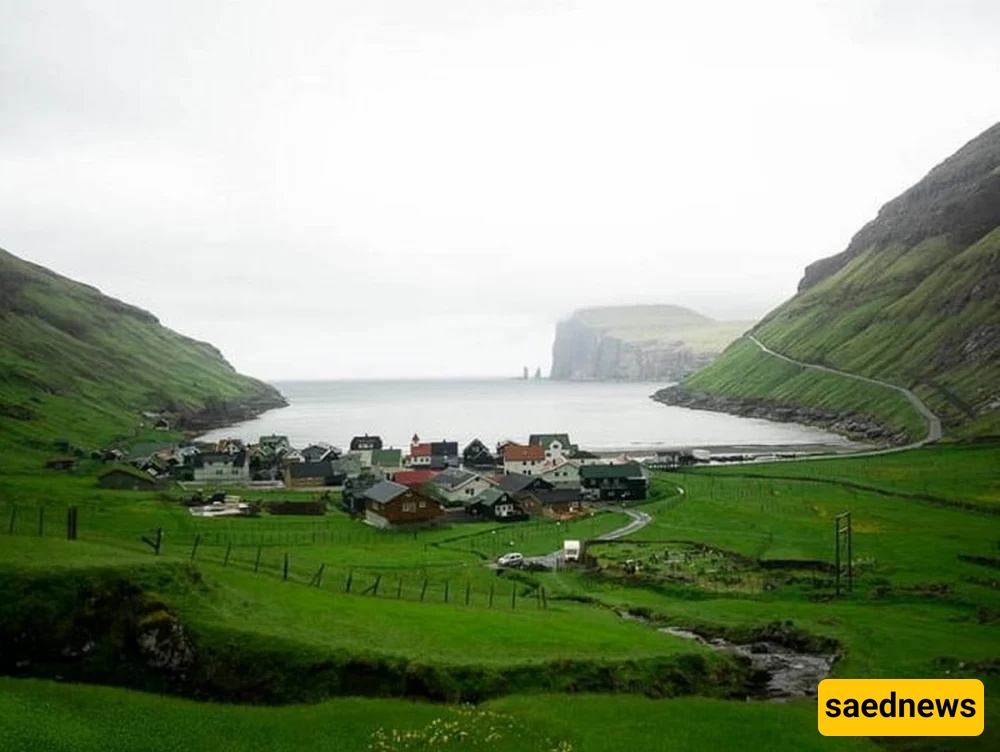
The ideal time to explore the Faroe Islands is between May and September.
During these months visitors can expect:
Longer daylight hours
Milder temperatures
Better hiking conditions
More ferry connections
Increased wildlife activity
Lower chances of severe storms
Summer is also the peak season for guided tours and outdoor adventures.
The Faroe Islands remain one of Europe's most spectacular yet underrated travel destinations. Towering cliffs, emerald-green mountains, dramatic waterfalls, colorful villages, abundant wildlife, and a peaceful atmosphere combine to create an unforgettable experience unlike anywhere else in the North Atlantic.
Whether you're passionate about hiking, photography, birdwatching, or simply escaping into nature, the Faroe Islands offer extraordinary scenery and authentic Nordic culture that reward every visitor willing to venture off the beaten path.