SAEDNEWS: The ancient Yeri Cemetery attracts history enthusiasts, though many tourism professionals are still unaware of its age and unique historical significance.
According to Saednews, The ancient cemetery of Shahr Yeri, located east of Meshgin Shahr in Iran's Ardabil Province, is one of the country's most intriguing archaeological sites. Researchers disagree on its exact age. Some believe it dates back to the Achaemenid period, while others argue that parts of the site are much older, reaching the third millennium BCE and showing evidence from the Iron Age, including gray, buff, and orange pottery.
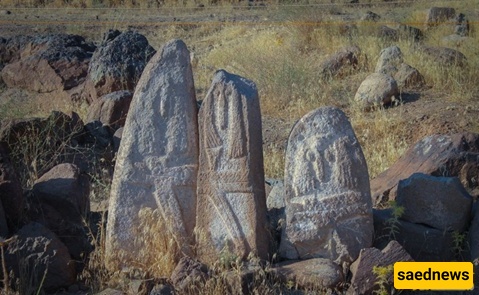
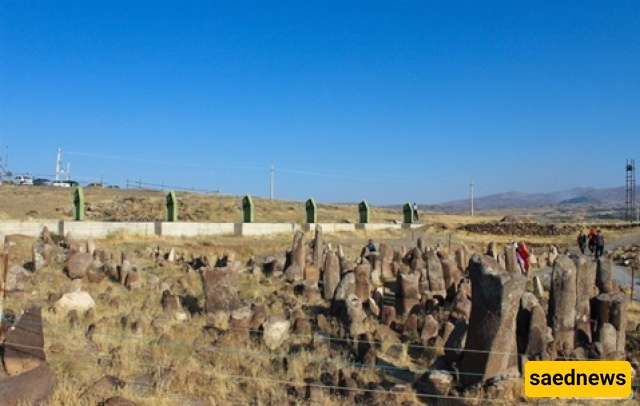
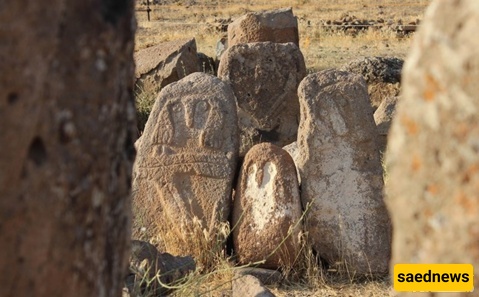
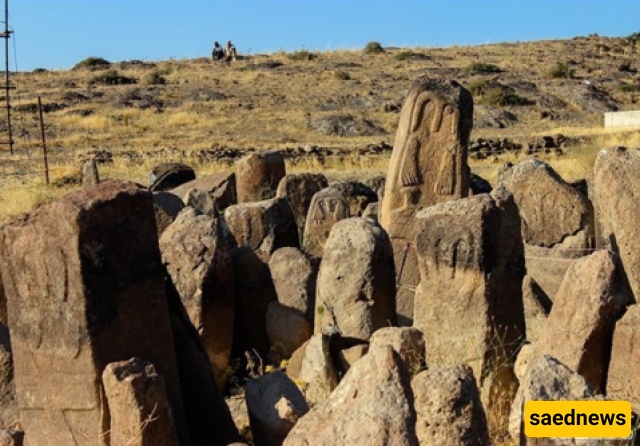
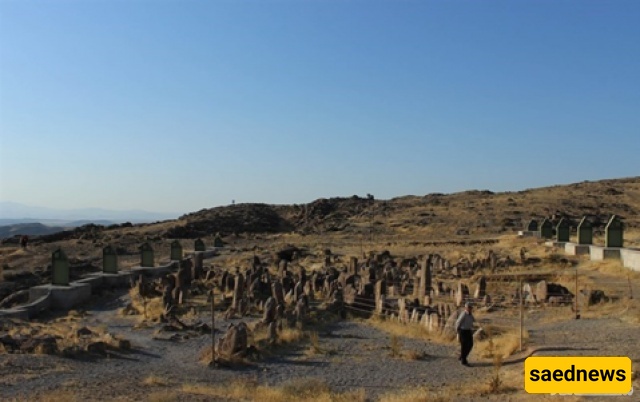
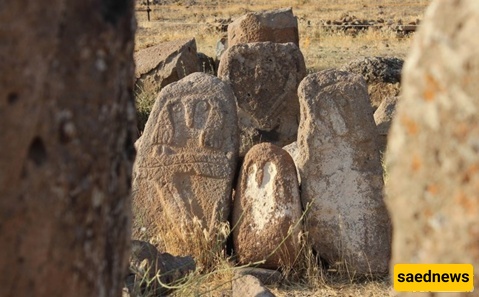
The cemetery contains around 450 burial graves, ranging in size from 3 to 8 meters. Its most remarkable feature is the collection of carved stone monuments depicting human faces without mouths, a mystery that has fascinated archaeologists for decades.
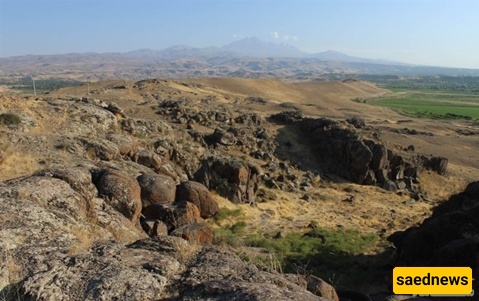
Shahr Yeri is situated northwest of the village of Pirazmian, about 31 kilometers east of Meshgin Shahr, along the Qareh Su River. Covering approximately 400 hectares, the archaeological complex has yielded numerous valuable artifacts, many of which are preserved in the Khalkhal Museum.
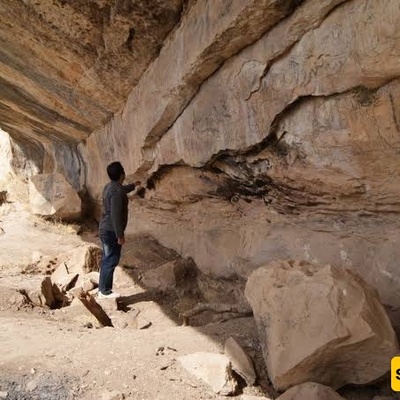
The burial structures are primarily megalithic tombs and stone burial chambers. Archaeologists have also identified an ancient cave and an Islamic-era mound within the site. Evidence suggests that the area may have been inhabited as early as 6000 BCE, reflecting the presence of a megalithic cultural tradition.
The site's rock carvings were created by engraving hard stone using durable tools made from stone, animal bones, and metal. They depict wild goats, human figures in various poses, and several unidentified symbols. Among the most puzzling carvings are the human figures with no mouths, whose purpose and meaning remain unknown despite ongoing archaeological research.