SAEDNEWS: Ancient Egypt is one of the most extensively studied civilizations in history, yet archaeologists continue to uncover remarkable discoveries that deepen our understanding of its rich past. Here are three of the greatest Ancient Egyptian discoveries made in modern history.
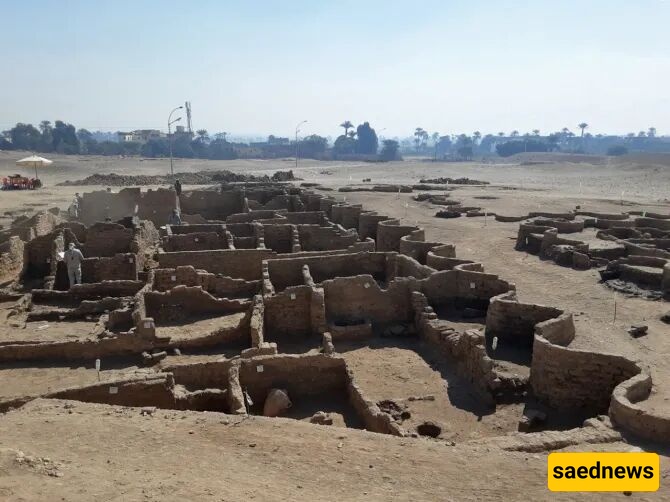
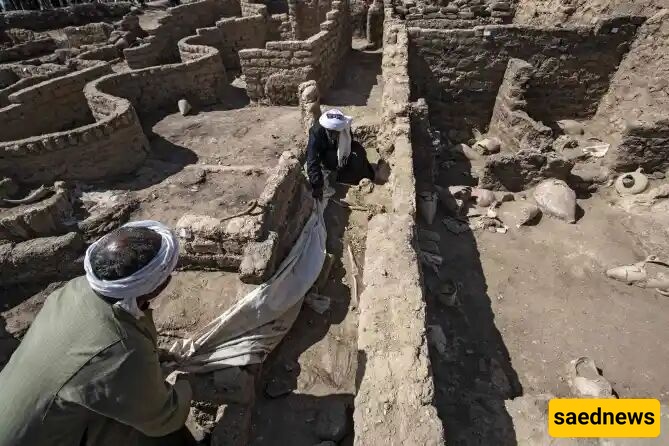
According to Saednews reports, in April 2021, Egypt's Ministry of Tourism and Antiquities announced the discovery of an ancient city known as the "Rise of Aten" or the Lost Golden City. Archaeologists believe the city dates back to the reign of Pharaoh Amenhotep III, approximately 3,000 years ago.
The city was uncovered during an archaeological mission near Luxor and was described by experts as the most significant discovery since the tomb of Tutankhamun was found. It quickly became known as the Lost Golden City of Luxor, the largest ancient settlement ever discovered in Egypt. Historical records had long mentioned a prosperous golden city in Luxor, inspiring generations of archaeologists to search for it.
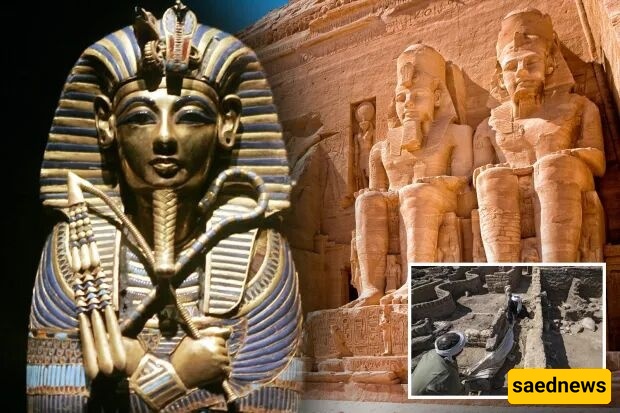
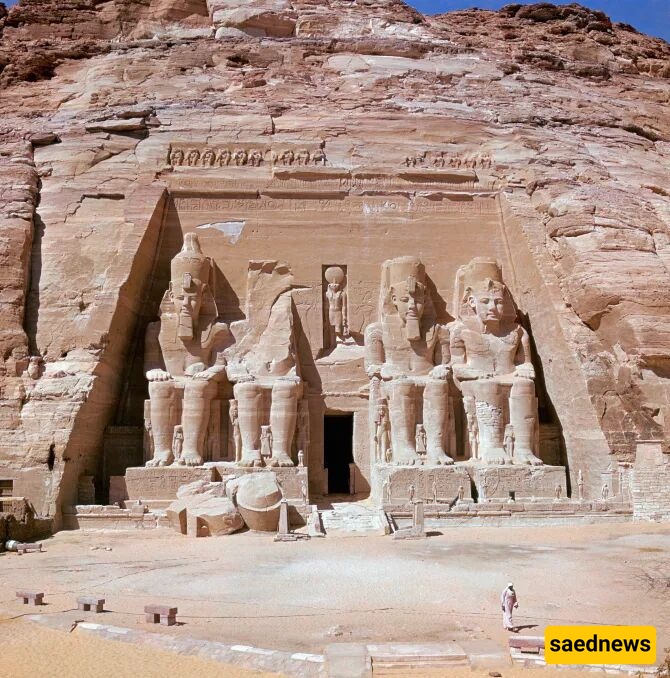
Abu Simbel is one of Egypt's most remarkable archaeological sites, famous for its two massive rock-cut temples commissioned by Pharaoh Ramesses II during the 13th century BC.
The temples feature extraordinary engineering, including an inner sanctuary designed so that sunlight reaches the deepest chamber twice each year, illuminating the statue of Ramesses II. This precise solar alignment remains one of the greatest achievements of ancient Egyptian architecture.
Although the site was rediscovered in 1817, it faced the threat of flooding during the construction of the Aswan High Dam. In the 1960s, the entire temple complex was carefully dismantled, relocated to higher ground, and reconstructed in one of the world's most ambitious archaeological preservation projects.
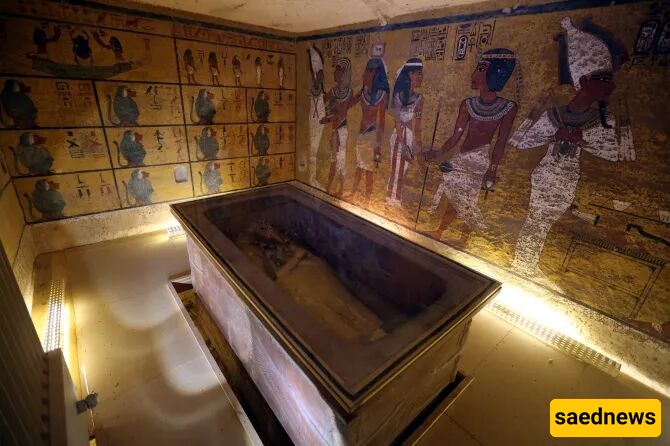
Tutankhamun, often called King Tut, is the most famous pharaoh of ancient Egypt. He ruled from approximately 1332 to 1323 BC and became king at around the age of ten, earning him the nickname "the Boy King."
Following the discovery of his tomb in 1922, stories emerged claiming that archaeologists, scientists, and even some of their relatives died from mysterious illnesses or unusual accidents. These reports gave rise to the legendary "Curse of Tutankhamun," although historians and scientists generally regard the supposed curse as a myth rather than established fact.
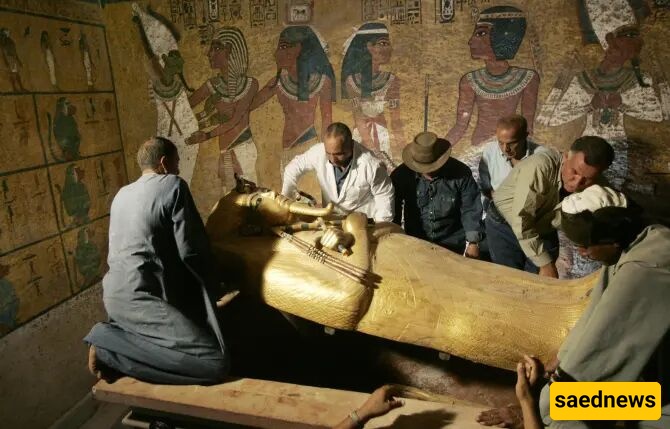
Today, Tutankhamun's mummy and many of the priceless artifacts recovered from his tomb are housed in the Grand Egyptian Museum in Cairo, where they continue to attract visitors and researchers from around the world.