SAEDNEWS: Understanding the Differences Between Dental Composite and Dental Veneers: Pros, Cons, and Important Considerations
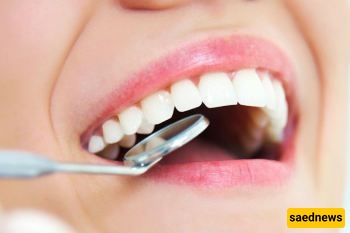
Many old and recent photos of famous actors, football players, and celebrities such as David Beckham, George Clooney, and Cristiano Ronaldo show that many of these individuals have used smile enhancement treatments to achieve a more attractive appearance.
One of the most common questions people ask dentists is whether porcelain veneers or composite veneers are the better option for improving the appearance of their teeth.
To answer this question, it is useful to quickly review the main similarities and differences between these two treatments:
Both methods use dental materials to improve the appearance of teeth, including their color, shape, and overall form.
Porcelain veneers are generally more fragile compared with composite veneers and may be more prone to cracking under certain conditions.
Porcelain veneers often provide higher aesthetic satisfaction because they look more natural, delicate, and similar to real tooth enamel.
Color changes and yellowing over time are more common with composite veneers than with porcelain veneers.
Composite veneers can usually be applied faster and more conveniently, sometimes within a single appointment lasting around two to three hours.
Porcelain veneers usually require several dental visits, including tooth preparation, impression taking, laboratory fabrication, trial fitting, and final placement.
Composite veneers require periodic polishing and maintenance.
Properly maintained porcelain veneers usually require less frequent stain removal or polishing.
In both methods, the dentist must first correct existing dental problems before placing veneers. This may include fillings, root canal treatment, professional cleaning, or orthodontic treatment if necessary.
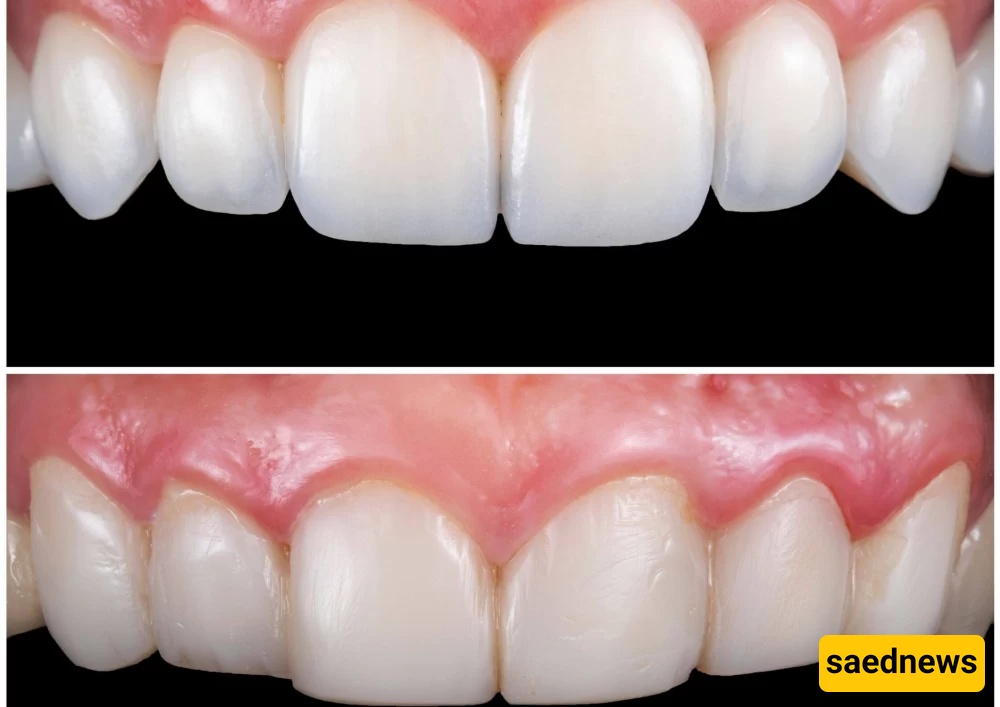
Generally, the main differences between composite and porcelain veneers relate to:
Cost
Degree of tooth preservation
Reversibility of the treatment
Long-term durability
Resistance to staining
Risk of chipping or breaking
The biggest advantage of composite veneers is that they are more conservative compared with porcelain veneers. In many cases, composite material can be applied directly to the teeth with little or no removal of natural tooth structure.
Another major difference is the cost. Composite veneers are usually more affordable than porcelain veneers. However, porcelain veneers have a significantly lower chance of fracture or chipping, which is one of the most important distinctions between the two treatments.
Porcelain veneers are also more resistant to staining and usually have a longer lifespan. However, they are generally considered an irreversible treatment because some enamel removal is required before placement.
The main disadvantages of composite veneers include:
A higher possibility of discoloration over time
Lower transparency compared with porcelain veneers
A slightly less natural appearance in some cases
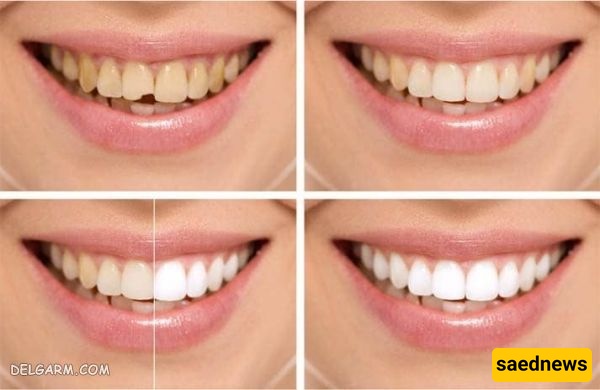
One possible issue is gum inflammation caused by plaque accumulation around the veneers, especially when proper oral hygiene is not maintained.
For porcelain veneers, approximately half a millimeter of tooth enamel may need to be removed to create space for the veneer.
In contrast, composite veneers can often be performed without tooth reduction if the patient's dental condition allows it.
The amount of enamel removal required for veneers is much less than the preparation needed for traditional dental crowns.
After receiving veneers, some patients may initially experience sensitivity when consuming very hot or very cold foods and drinks. This is similar to sensitivity that may occur after other dental restoration procedures.
In most cases, this sensitivity decreases and disappears after a short period.
The patient’s habits and care routine play an important role in increasing the lifespan of veneers.
Following proper treatment selection guidelines and avoiding excessive pressure on the teeth can significantly reduce the possibility of veneer damage, although it cannot completely eliminate the risk.
If a porcelain veneer or composite veneer becomes chipped or fractured, it may sometimes be repaired or restored using composite material.
Discoloration around the edges of veneers over time is strongly related to the consumption of staining substances.
Common causes include:
Tea
Coffee
Smoking
Hookah use
Reducing the use of these substances can help prevent staining.
Porcelain veneers generally have better stain resistance compared with composite veneers.
The quality and type of porcelain or composite material used also affect color stability. Higher-quality materials usually maintain their appearance for a longer period.
After veneer treatment, maintaining excellent oral hygiene and taking proper care of the teeth becomes even more important.
Excessive or improper use of fluoride-containing mouthwashes may affect veneers. It is recommended to consult your dentist before regularly using mouthwash so they can provide appropriate guidance.
How Long Do Composite Veneers Last?
The lifespan of composite veneers depends greatly on oral hygiene and personal care habits.
Avoiding damaging habits, such as:
Biting hard foods
Chewing ice
Using teeth to open objects
Excessive pressure on the veneers
can help extend the durability of the treatment.
A common question among patients is whether porcelain or composite veneers can come off or cause tooth decay.
When veneers are carefully designed and accurately bonded to the teeth by an experienced dentist, they should remain securely attached.
However, veneers can still experience problems such as:
Chipping
Cracking
Fracture
Proper design, preparation, and placement significantly reduce these risks.
A tooth covered with a veneer can develop decay in the same way as a natural tooth if oral hygiene is neglected. Therefore, regular brushing, flossing, and dental check-ups are essential for maintaining both natural teeth and veneers.
Japanese and American composite materials are considered among the high-quality options available in dentistry.
The cost of different brands varies, and the choice of material can influence the final cost of cosmetic smile enhancement with composite veneers.
When comparing composite veneers and porcelain veneers, both are modern and effective cosmetic dental treatments.
The basic mechanism of both treatments is dental bonding, meaning that a restorative material is attached to the tooth surface.
The best choice depends on several factors, including:
The condition of the teeth
Desired aesthetic results
Budget
Long-term expectations
The dentist’s recommendation
Final Comparison: Composite Veneers vs. Porcelain Veneers
Feature | Composite Veneers | Porcelain Veneers |
|---|---|---|
Cost | More affordable | More expensive |
Treatment time | Faster, often completed in one visit | Requires multiple appointments |
Tooth preservation | More conservative | Requires some enamel removal |
Appearance | Good aesthetic result | More natural and translucent |
Stain resistance | Lower | Higher |
Durability | Shorter lifespan | Longer lifespan |
Repairability | Easier to repair | More difficult to repair |
Reversibility | Often more reversible | Usually irreversible |
Both composite and porcelain veneers can improve the appearance of a smile. The ideal treatment should be selected after a professional dental evaluation based on the patient’s needs, oral health, and aesthetic goals.