SAEDNEWS: Noodles are a popular and widely consumed food around the world. Due to their appealing taste and affordability, they are also commonly used as a convenient instant and ready-to-eat meal.
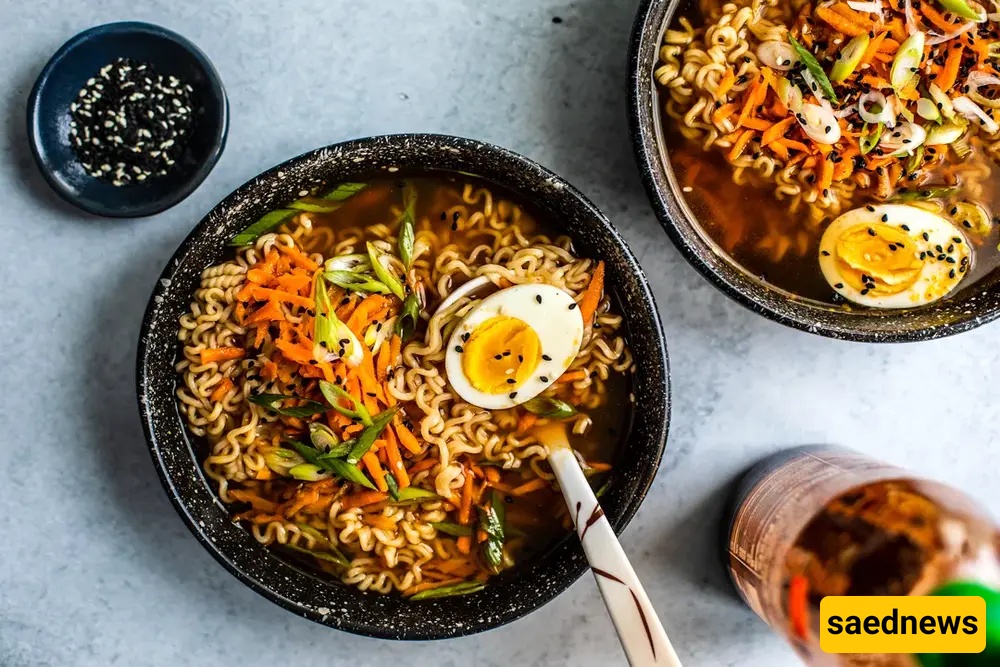
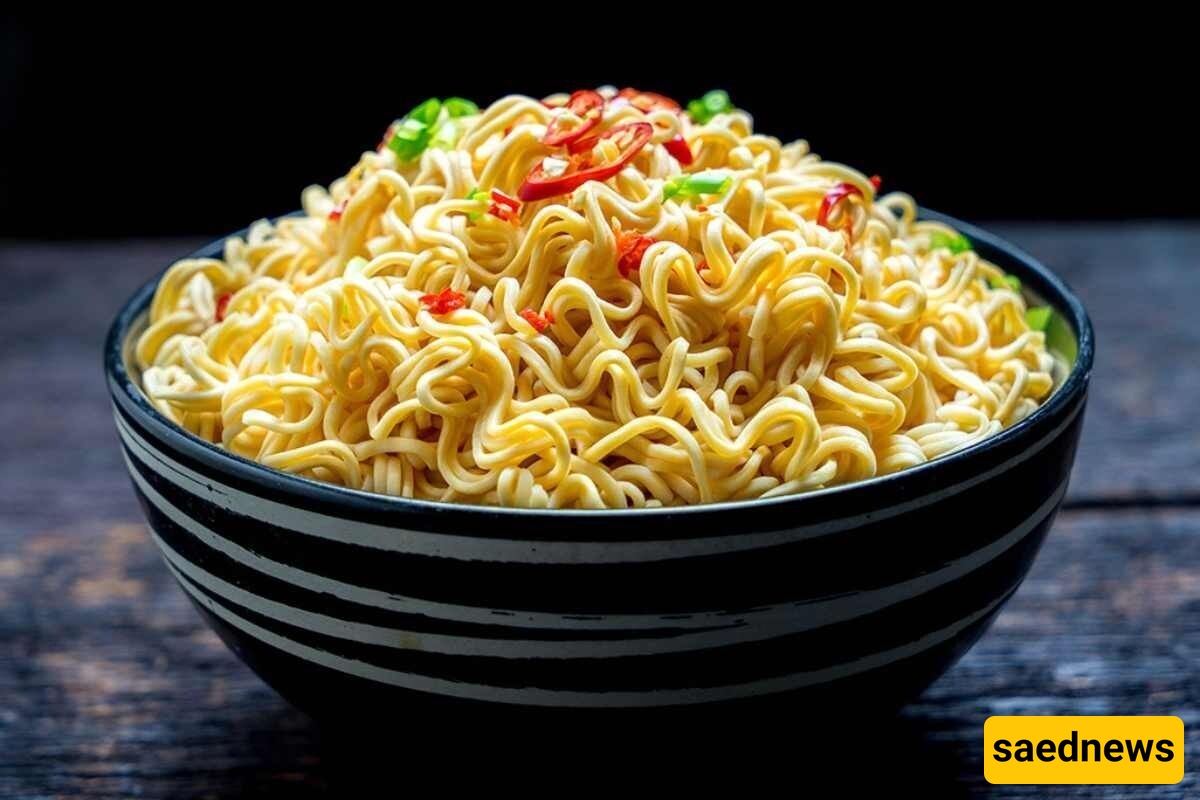
According to SAEDNEWS, Noodles are a popular food consumed worldwide and are prepared by cutting unleavened dough into various shapes. Thin, long, ribbon-like noodles are the most common form; however, noodles can be produced in many different shapes, including wavy, tubular, string-like, and shell-shaped varieties.
Noodles are made from various ingredients, such as wheat flour, rice flour, corn flour, soy flour, and vegetable-based flours. Depending on the type of flour and added ingredients, noodles can have different nutritional properties.
Noodles are a good source of carbohydrates. Carbohydrates are the body’s primary source of energy and are essential for the proper functioning of the brain, muscles, and other organs. Noodles also contain certain amounts of protein, fat, fiber, vitamins, and minerals.
The nutritional value of noodles depends on the type of flour used and the added ingredients. For example, noodles made from whole wheat flour contain more fiber compared with noodles prepared from refined white wheat flour.
Noodles may provide several health benefits, including:
Energy Source: Noodles are a good source of carbohydrates, which serve as the main energy source for the body.
Protein Content: Noodles contain a certain amount of protein, which is essential for tissue growth and repair.
Fiber: Noodles can contribute to improved digestion and may help reduce the risk of cardiovascular diseases, diabetes, and certain types of cancer.
Vitamins and Minerals: Noodles can provide some essential vitamins and minerals, including iron, magnesium, and potassium.
Benefits of Noodles for Weight Loss:
Noodles are a calorie-dense food; however, when consumed in appropriate amounts, they may support weight management. Noodles provide carbohydrates that can help increase metabolism and promote calorie expenditure. Additionally, noodles containing fiber may enhance feelings of fullness and help prevent overeating.
Benefits of Noodles for Improving Athletic Performance:
Noodles can be an excellent food choice for athletes. They provide carbohydrates that help supply the energy required during physical activity. Moreover, noodles contain protein, which may support the repair and regeneration of damaged muscles.
Benefits of Noodles for Heart Health:
Noodles contain low amounts of cholesterol and saturated fats, which can make them a heart-friendly food option. In addition, noodles contain fiber, which may help reduce LDL cholesterol (the “bad” cholesterol) and increase HDL cholesterol (the “good” cholesterol).
Benefits of Noodles for Digestive Health:
Noodles contain fiber, which can support digestive function. Fiber helps maintain intestinal health and may prevent constipation.
Potential Drawbacks of Noodles:
Like any other food, noodles can have negative effects when consumed in excessive amounts. Overconsumption of noodles may contribute to weight gain, obesity, and other health problems. Furthermore, instant noodles often contain high levels of sodium, which may increase the risk of cardiovascular disease, stroke, and high blood pressure.
Noodles may also have several disadvantages, including:
High Calorie Content: Noodles are relatively high in calories, and excessive consumption may lead to weight gain.
High Sodium Content: Instant noodles typically contain large amounts of salt, which may increase the risk of cardiovascular diseases and hypertension.
High Fat Content: Instant noodles often contain high levels of fat, which may contribute to increased cholesterol levels and raise the risk of heart disease and obesity.
To select and consume healthier noodles, consider the following recommendations:
Choose noodles made with whole-grain flour. Whole grains are a better source of dietary fiber and nutrients.
Select noodles with lower levels of sodium and fat.
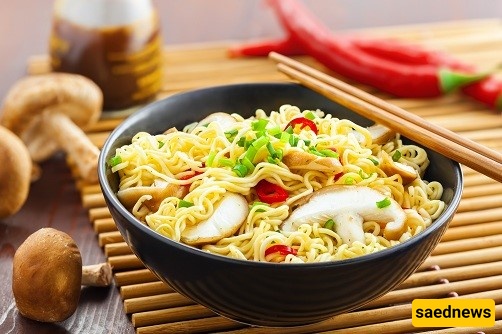
Consume noodles with other nutritious ingredients, such as vegetables, meat, or fish. This can help reduce the overall calorie and fat content while improving the nutritional value of the meal.
To benefit from the health advantages of noodles while minimizing their potential drawbacks, consider the following tips:
Choose noodles made from whole-grain flour. Whole-grain flour contains more fiber than refined white flour and may help improve digestion while reducing the risk of cardiovascular diseases, diabetes, and certain types of cancer.
Serve noodles with vegetables and lean protein sources, such as chicken, fish, or tofu. This combination can help reduce calorie and fat intake while enhancing the overall nutritional value of the meal.
Avoid adding high-fat and high-sodium sauces to noodles.
Fatty and salty sauces can significantly increase calorie and fat consumption and may raise the risk of heart disease and high blood pressure.