SAEDNEWS: After three decades frozen high on Mount Everest, the body long known to climbers as “Green Boots” may finally be brought home to India. Authorities now believe the remains belong to Indian mountaineer and ITBP officer Dorje Morup, whose family has spent years hoping for definitive answers.
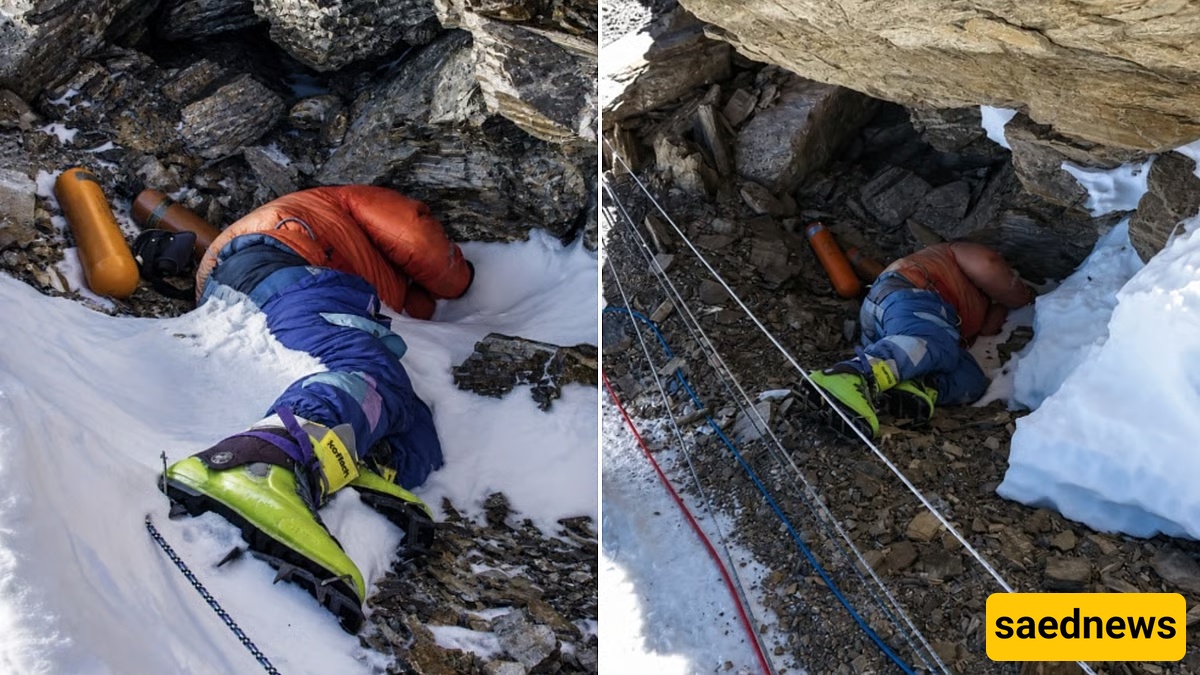
According to SaedNews: For generations of Everest climbers, a pair of bright green mountaineering boots has been one of the mountain’s most haunting landmarks. The body wearing them has remained frozen beneath an overhanging rock at roughly 8,500 metres for about 30 years, silently marking a dangerous section of the route to the summit.
Now, that grim landmark could finally disappear.
India is seeking a specialist high-altitude recovery team capable of bringing the remains down from Mount Everest and returning them to the country. Officials increasingly believe that the body known around the world among climbers as “Green Boots” is that of Dorje Morup, an Indian climber who died during a historic 1996 expedition.
If the mission succeeds, the remains would be taken to India for DNA testing. A confirmed identification would finally give Morup’s family something they have been denied for three decades: certainty, and the chance to bring him home.
For his wife, Konchak Yangskit, that moment would carry an emotional weight that is difficult to measure.
She told the BBC that for years she would sometimes lie awake imagining that her husband might suddenly return.
“On some days, before I went to sleep, I would think that there'd be a knock on the door tonight,” she recalled. When he finally comes home, she said, she wants to ask him: “Where were you all these years?”
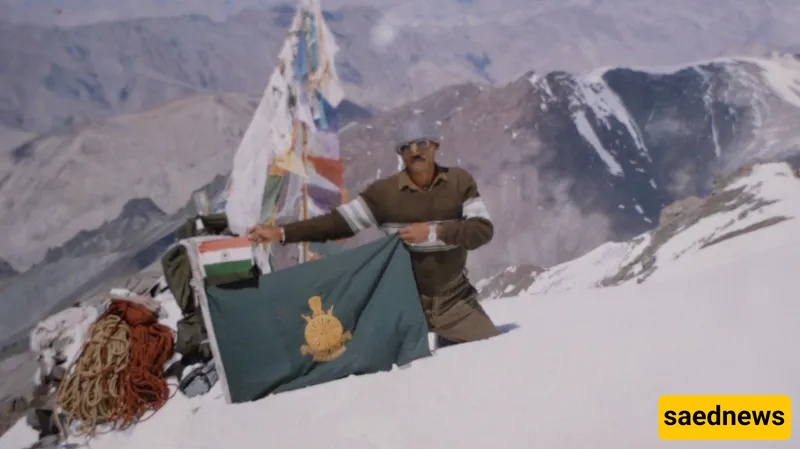
Morup left his home in Ladakh before joining an expedition that hoped to make history on Everest. The 48-year-old was a lance naik, or lance corporal, with the Indo-Tibetan Border Police, the force responsible for guarding much of India’s border with China.
He was also an experienced Himalayan trekker.
Before leaving, he made a promise to his wife. He told her he would return as a hero and make his country proud. He asked her to care for their children and come to the airport to welcome him when he returned.
But Yangskit remembers feeling uneasy that night.
She wondered whether she would ever see him again.
Morup was one of six climbers on the ITBP expedition attempting to reach Everest’s 8,849-metre summit from the Chinese side. Most climbers attempt Everest from Nepal, but the Indian team wanted to accomplish something historic by tackling the mountain from the more difficult northern side.
A snowstorm forced three members of the team to turn back.
Morup continued with Tsewang Smanla and Tsewang Paljor.
The three eventually reached the summit. But disaster struck during their descent.
A blizzard killed all three climbers.
Their deaths became part of Everest’s grim history. More than 300 people have died in the Everest region since records began roughly a century ago, and many bodies have remained on the mountain because recovering them can be extraordinarily dangerous.
Two members of the 1996 expedition were never found. The third body, however, became one of Everest’s most recognizable.
The lime-green boots made it an unmistakable sight.
For years, climbers and observers believed “Green Boots” was Tsewang Paljor. More recent testimony from surviving members of the expedition, combined with the location of the climbers’ last radio contact, has led authorities to believe the remains are actually those of Morup.
An ITBP official told BBC News Hindi that clothing and climbing equipment found with the body helped officials reach that conclusion in recent years.
The next challenge is proving it beyond doubt.
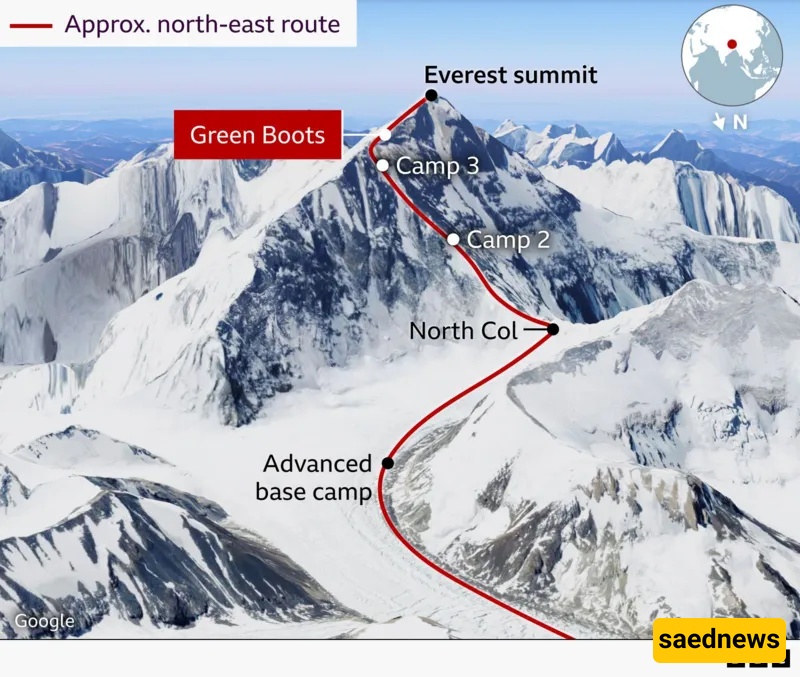
Recovering a body from Everest is not simply a matter of reaching the location and carrying it away.
The remains are in what climbers call the “death zone”, where temperatures can fall to around -40C and oxygen levels are roughly one-third of those at sea level.
The Chinese side of Everest presents additional difficulties. It is steeper and has fewer support structures than the southern route from Nepal.
Tshiring Jangbu Sherpa, a prominent Nepalese mountaineer who has participated in other recovery missions, said weather and snow conditions will be crucial.
The logistics are daunting.
Experts say a recovery team could need 10 to 12 climbers capable of reaching the summit simply to establish support ropes to the location. Once the body is freed, it must then be carried down to an altitude where it can be transported, potentially by helicopter or yaks, before being taken onward to an airport.
The body itself creates another problem.
Bodies that have remained frozen for years can become extremely heavy because of ice and climbing equipment. They may also be locked into difficult positions, making movement over steep, rocky terrain even more dangerous.
And once the remains descend into warmer conditions, thawing and decomposition can begin.
Indian climber Kuntal Joisher described the first 1,000 metres of the descent as a particularly enormous logistical challenge because of the steep, rocky ground.
His warning is stark: the lives of Sherpas should not be placed at unnecessary risk for the recovery of a dead climber.
The financial cost is also significant. Experts estimate that even relatively straightforward body recovery missions on Everest can cost between $40,000 and $80,000.
The ITBP is funding the operation and wants Morup’s remains returned by September. It is now looking for specialist Sherpa mountain-rescue teams capable of attempting the mission.
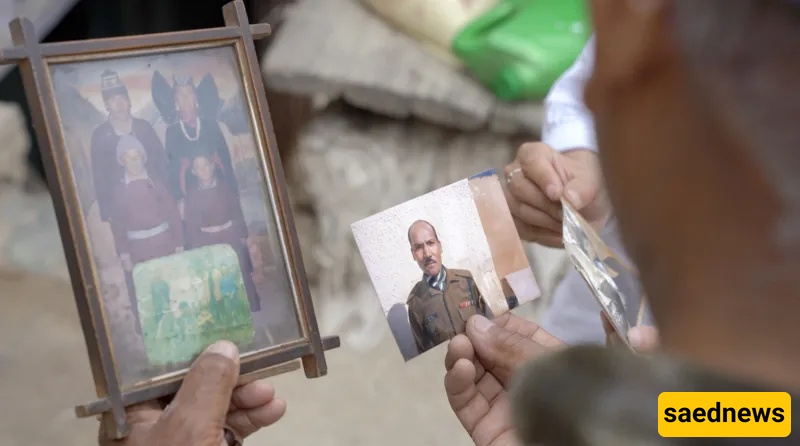
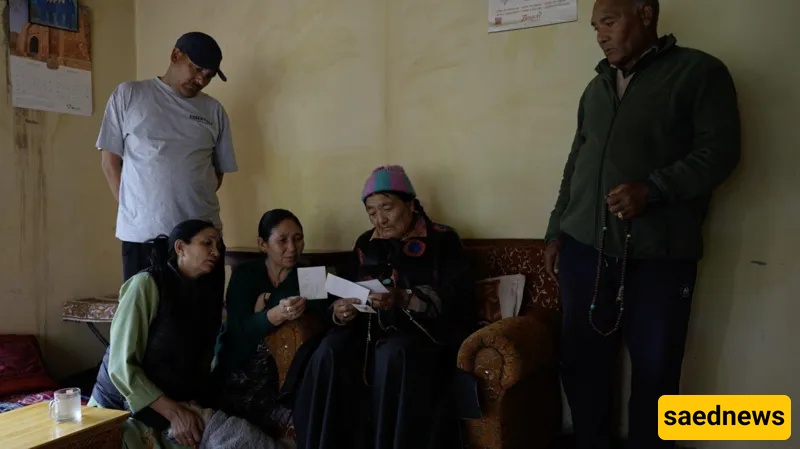
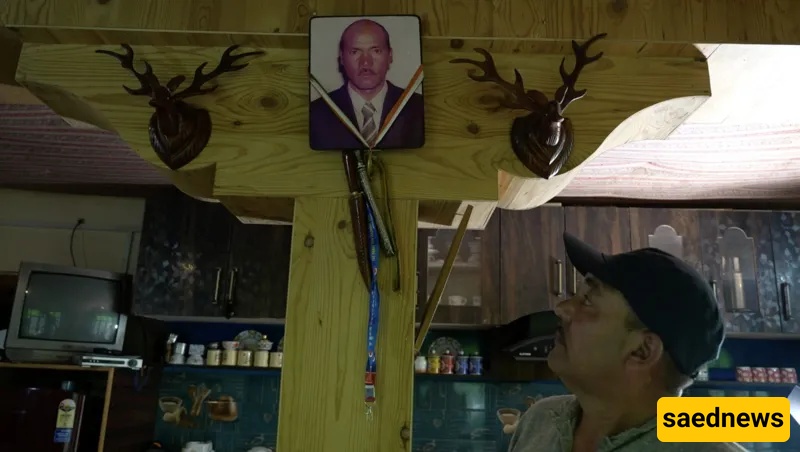
For Morup’s family in Ladakh, the mountain has never truly felt like the end of the story.
Yangskit, now around 75, says she never saw her husband’s body. Even after the family organized cremation prayers, she struggled to accept that he was gone.
“I didn't see his dead body, so it was difficult for me to believe it,” she said.
Decades later, only a few physical reminders of Morup remain at home: his medals, trophies, old photographs and a certificate from the Chinese government confirming that he reached the summit of Everest at 17:30 on 10 May 1996.
That certificate represents the achievement he had promised to bring home.
His family now hopes the recovery mission will allow them to bring home something else.
Morup’s son, Punchok Dorjai, said the family plans to hold a funeral near Martyrs Park in Leh if the remains are recovered and identified. He believes his father should be remembered as a martyr who gave his life for his country, along with the teammates who died alongside him.
And there is one unusually poignant detail in the family’s plans.
They intend to keep the famous green boots.
For 30 years, those boots have represented death and danger to climbers passing through one of Everest’s most unforgiving areas. For Morup’s family, however, they could soon become something very different: a final, tangible link to the man who left home promising to return.
If the mission succeeds, “Green Boots” will no longer simply be a landmark on Everest. The body that spent three decades frozen high above the world may finally have a name, a family, and a place to come home to.