SAEDNEWS: Your eyes can suffer from excessive ultraviolet exposure just like your skin, with reflected sunlight from snow, water and sand creating an often-overlooked risk. Here’s how eye sunburn happens, what symptoms to watch for and how to protect your vision.
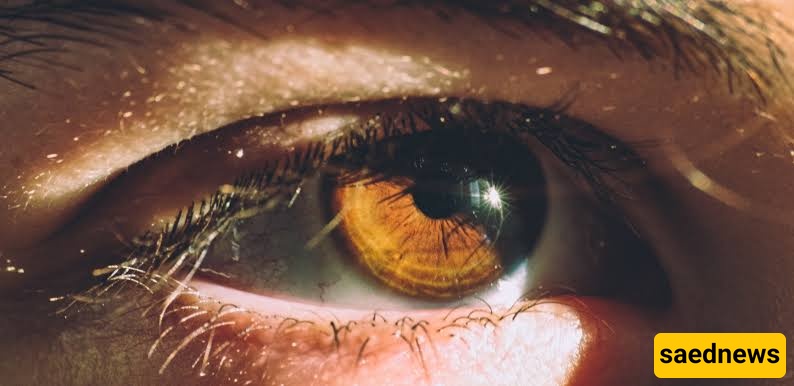
According to SaedNews: Most people know that too much sunlight can burn the skin, but there is another part of the body that can also suffer from excessive ultraviolet exposure: the eyes.
Eye sunburn, medically known as photokeratitis, occurs when the eyes are exposed to too much ultraviolet (UV) radiation. The condition involves inflammation of the cornea, the clear front surface of the eye, and can cause a range of uncomfortable symptoms.
What makes the problem particularly easy to overlook is that you do not necessarily have to stare directly at the sun for your eyes to be affected. UV radiation can be reflected from surfaces around you, meaning a bright day at the beach, beside a swimming pool or on a snowy mountain can expose the eyes to intense radiation.
For that reason, eye protection becomes especially important during outdoor activities where sunlight is amplified by reflection.
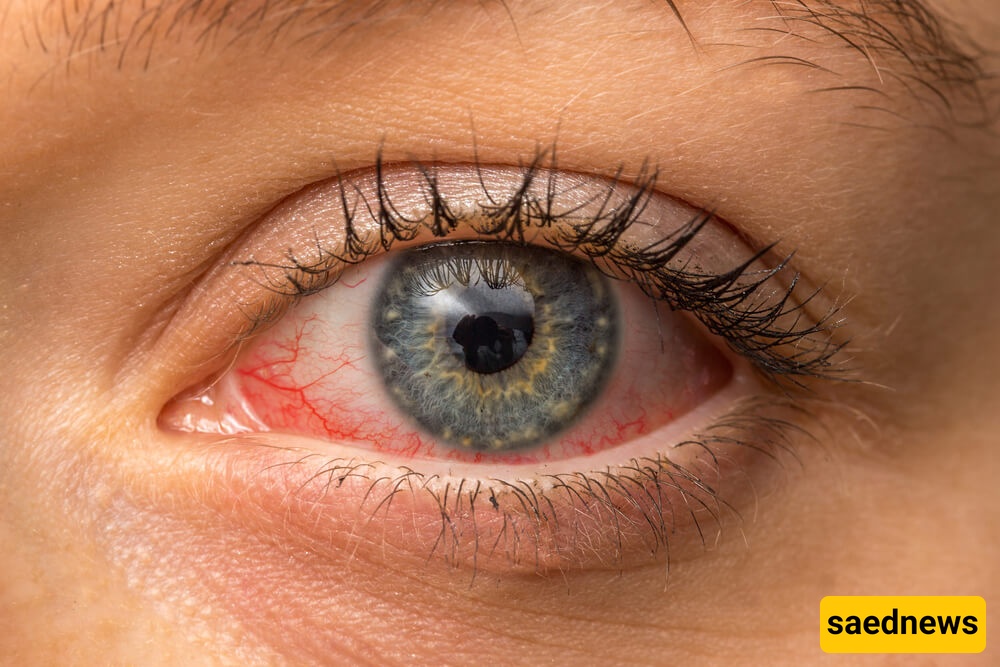
Photokeratitis is essentially an inflammation of the cornea caused by excessive ultraviolet exposure. The condition can be temporary, but the discomfort can be significant.
Excessive UV exposure can affect several parts of the eye, including the thin surface of the cornea, the retina, the lens and the conjunctiva.
The conjunctiva is the thin mucous membrane that covers the white part of the eye and also lines the inner surfaces of the upper and lower eyelids. Depending on the exposure, one or more of these areas can be affected.
The severity of eye sunburn can vary. In general, longer exposure to UV radiation can increase the likelihood of more noticeable symptoms.
Among the warning signs are a gritty sensation, as though something is stuck in the eye, as well as eye pain, headache, twitching of the eyelids, excessive tearing, swelling and redness.
Vision can also become blurred, while bright light may suddenly feel much more uncomfortable than usual. Some people may notice halos around lights or unusually small, constricted pupils.
In rare cases, temporary vision loss or changes in color perception can occur.
One of the biggest misconceptions about UV exposure is that the danger disappears simply because you are not looking directly at the sun.
Reflected sunlight can still reach the eyes.
At beaches, sunlight can bounce off both water and sand. Similar exposure can occur around lakes, docks, boats and swimming pools — essentially anywhere strong sunlight interacts with water or reflective surfaces.
Urban environments are not completely free from the problem either. Sunlight can reflect from buildings, vehicles and concrete streets.
Clouds should not necessarily be treated as complete protection, either. UV radiation can still affect the eyes and skin through cloud cover.
Mountain environments create another important risk. Snow and ice can reflect sunlight, increasing exposure for people taking part in activities such as mountaineering, skiing and snowboarding.
When photokeratitis occurs in snowy conditions, it is commonly known as snow blindness.
Photokeratitis commonly resolves on its own within one to two days, with treatment generally focused on easing symptoms and making the eyes more comfortable.
If eye sunburn is suspected, medical advice may be appropriate, and a doctor may recommend pain medication or antibiotic eye drops depending on the situation.
There are also several measures that can help reduce irritation.
Contact lenses should be removed immediately to give the eyes a better chance to recover. Rubbing the eyes should be avoided because it can increase irritation rather than relieve it.
A cold compress placed over closed eyes can provide comfort while resting the eyes may also help.
Over-the-counter pain medication for headache or discomfort may be used as described in the source material. Artificial tears can also help lubricate irritated eyes.
Sunglasses are another important part of protection. Wearing them can reduce the impact of intense light on the eyes, particularly when spending time outdoors.
Eye irritation can also be aggravated by cosmetics and false eyelashes, so eliminating makeup while the eyes recover may help avoid additional irritation. People who have eyelash extensions can ask their doctor whether they should be removed during recovery.
Keeping the eyes away from irritating water is also important. The source recommends avoiding salt water or chlorinated water entering the eyes and using well-fitting swimming goggles when swimming.
The most effective way to avoid eye sunburn is to protect the eyes from ultraviolet radiation in the first place.
That means thinking beyond ordinary sunny days. A trip to the beach, a day around a pool, an outing on the water or an afternoon in the mountains can all expose the eyes to reflected UV radiation.
The risk is particularly easy to underestimate because the eyes may not show immediate signs of injury while exposure is happening.
A pair of appropriate sunglasses can therefore become more than a fashion accessory when spending time outdoors. For people heading toward snowy terrain, water or other highly reflective environments, eye protection is especially important.
Long-term excessive exposure to sunlight has also been associated in the source material with several eye conditions, including cataracts, age-related macular degeneration and eyelid cancer.
Eye sunburn may be temporary, but the broader message is straightforward: protecting the eyes from UV exposure should be part of everyday outdoor safety.
A day outside should end with good memories, not painful, irritated eyes. Whether the destination is a beach, city street or snowy mountain, taking eye protection seriously can make a significant difference.