SAEDNEWS: Flossing becomes more challenging when brackets and orthodontic wires are in place, but it remains an essential part of daily oral care. From traditional waxed floss to a water flosser, the right technique can make cleaning between teeth and around braces considerably easier.
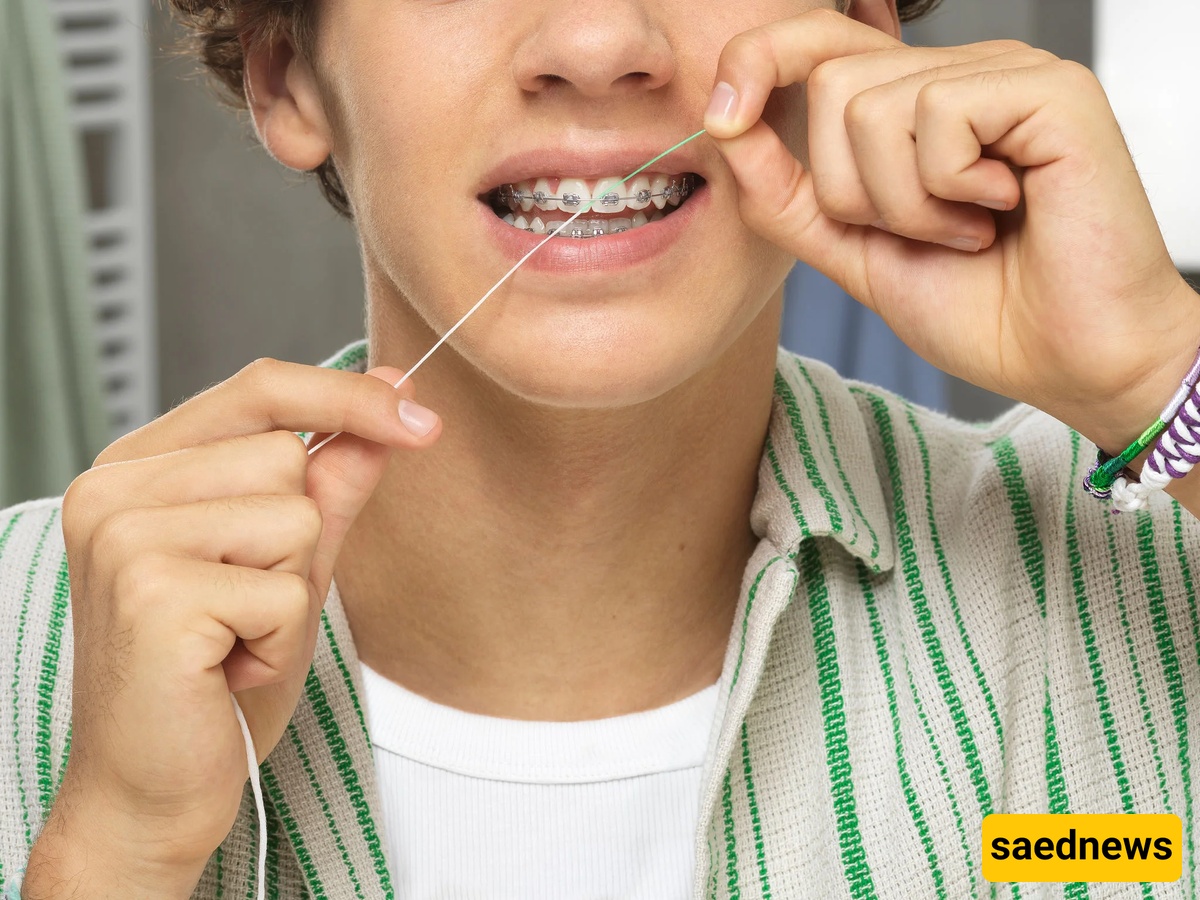
According to SaedNews: Getting braces can transform the way you care for your teeth. Suddenly, brushing is no longer the only challenge: food particles and plaque can collect around brackets, underneath wires and in the tight spaces between teeth where an ordinary toothbrush cannot easily reach.
That is why flossing should not disappear from your routine once orthodontic treatment begins. In fact, keeping the spaces between your teeth clean becomes particularly important while braces are doing their job.
Plaque that remains between teeth and near the gumline can contribute to tooth decay and gum disease. A toothbrush can clean many surfaces effectively, but it cannot completely reach every narrow space. Flossing is designed to deal with precisely those areas.
The difficulty is that conventional flossing can feel much more complicated when a wire crosses the path between your teeth. It takes additional time, patience and a careful technique to avoid disturbing the orthodontic hardware.
The basic purpose of flossing does not change during orthodontic treatment. The goal is still to remove food debris and plaque from areas that are difficult to reach with a toothbrush.
With braces, however, there are additional surfaces that require attention. Brackets and wires create more places where food can become trapped, making thorough cleaning especially important.
Daily flossing between each pair of teeth is recommended in the source guidance, along with the use of a small interdental brush to clean around brackets and underneath orthodontic wires.
The process may take longer than it did before braces, but that does not make it less important. Instead of abandoning flossing because it feels inconvenient, choosing a method that fits your routine can make the process much easier.
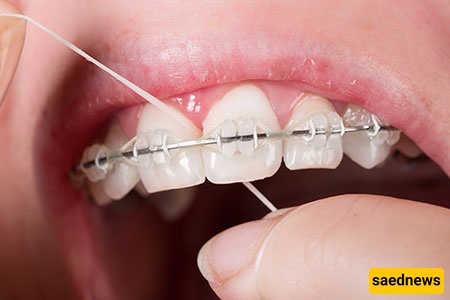
Traditional floss remains an effective way to clean between teeth, although people with braces have to use it more carefully.
For orthodontic patients, waxed floss can be particularly useful because unwaxed floss may fray, break or become caught on metal brackets.
The traditional method may take around 10 to 15 minutes when braces are involved, so setting aside enough time can help prevent rushing through the process.
A piece of floss approximately 18 to 24 inches long can be used. The floss needs to be guided between the main orthodontic wire and the teeth, which is why doing the procedure in front of a mirror can make things considerably easier.
Once the floss is positioned, wrap its ends around your index fingers so you can control it comfortably. Then gently guide it between two teeth.
The floss should move carefully along the sides of both teeth, going up and down rather than being forced aggressively into the gums.
For upper teeth, the motion can resemble an upside-down “U”: guide the floss upward toward the gumline along one tooth, then bring it down along the neighboring tooth.
After cleaning that space, carefully remove the floss from behind the wire. Avoid pulling it sharply away from the tooth, as an accidental tug could dislodge the wire from its bracket.
Then move on to the next pair of teeth and repeat the process.
The technique may seem slow at first, but becoming familiar with the sequence can make it more manageable over time.
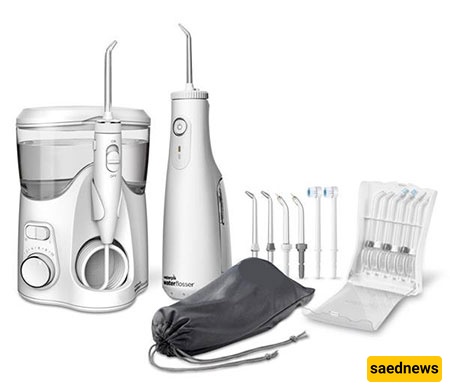
For people who find threading traditional floss around orthodontic wires frustrating, a water flosser can offer another approach.
A water flosser uses a steady stream of water to clean between teeth and along the gumline. According to the source guidance, using this type of device can reduce the time needed for the cleaning routine to roughly three to five minutes.
Some water-flosser models are also designed with orthodontic care in mind. Specialized tapered tips can make it easier to direct the water around brackets and into spaces between teeth compared with standard tips.
The basic setup is straightforward. Fill the device's water reservoir and attach the appropriate tip. A small amount of mouthwash may be added to the water for an antibacterial effect, although this is not necessary.
Before beginning, the pressure should be adjusted appropriately and the device checked to make sure the water flow is working correctly.
Whether someone chooses traditional waxed floss, a water flosser or a combination of cleaning tools, the central point remains the same: braces should not become a reason to stop cleaning between the teeth.
Orthodontic treatment is intended to improve alignment and create a healthier, more attractive smile, but maintaining oral hygiene throughout the process is an essential part of that journey.
An interdental brush can also be useful for reaching around brackets and beneath wires, complementing regular flossing rather than replacing the need for careful cleaning.
The extra effort can feel tedious, particularly when flossing takes several minutes every day. But establishing a consistent routine can make orthodontic care easier and help keep plaque and trapped food under control.
Ultimately, there is no need to make flossing with braces unnecessarily complicated. The key is to work carefully around the orthodontic hardware, use the cleaning method that you can perform consistently and pay attention to the areas a toothbrush cannot reach.
Braces may be temporary, but the condition of the teeth and gums during treatment matters long after the wires come off. For anyone currently wearing braces, those few additional minutes spent cleaning between the teeth can become one of the most worthwhile parts of the daily routine.