SAEDNEWS: Many children avoid cleaning up their toys, not because they are careless, but because they are still learning responsibility and organization skills. Understanding the reasons behind this behavior can help parents use effective methods instead of constant reminders or punishment.
According to SAEDNEWS, Teaching children to organize their belongings through simple routines, positive encouragement, and age-appropriate activities can build lifelong habits of order and responsibility.
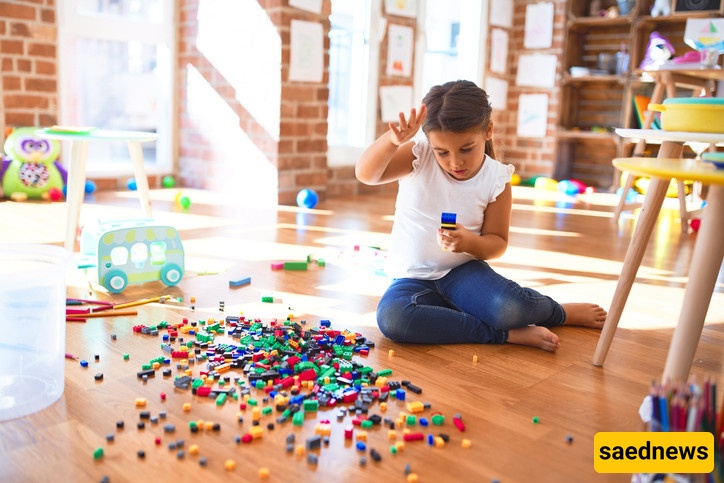
Children often leave their toys scattered because they do not naturally understand the importance of organization. For young children, playing is exciting, while cleaning may feel like an unnecessary interruption. They may also become overwhelmed when there are too many toys around and not know where to start. Recognizing these reasons helps parents approach the situation with patience and better strategies.
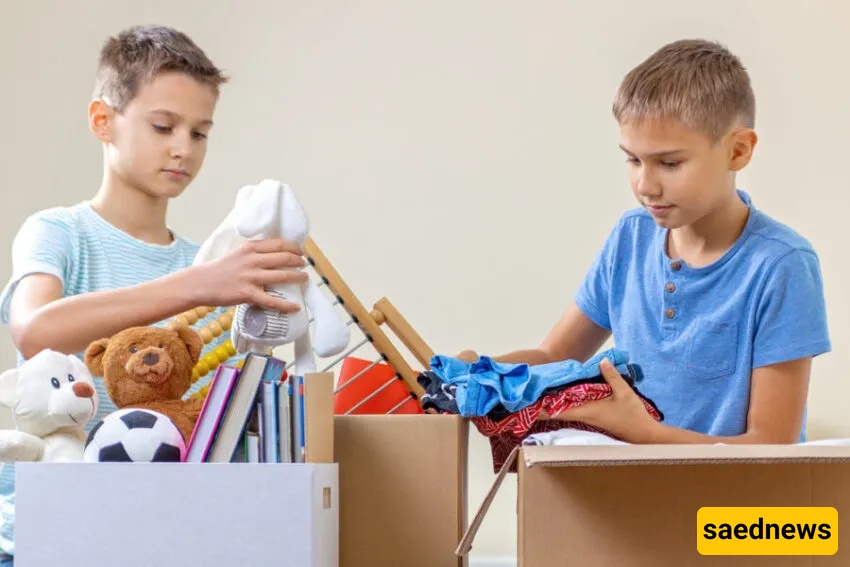
A common mistake parents make is asking children to clean up an entire room at once. Large tasks can feel difficult and confusing for children. Instead, parents can divide the activity into smaller steps, such as putting away blocks first and then collecting dolls or cars. Simple instructions make the process easier and help children feel successful.
Children respond better when organization feels like a game rather than a duty. Parents can create challenges, use songs, or set short cleaning times to make putting toys away more enjoyable. When children associate tidying up with positive experiences, they are more likely to participate willingly.
Children need to know where their belongings belong. Using labeled boxes, shelves, or separate storage areas makes it easier for them to return toys after playing. A simple organization system teaches children that every item has a specific place and encourages independence.
Children learn many behaviors by watching adults. When parents regularly organize their own belongings and maintain a tidy environment, children are more likely to follow the example. Consistency, encouragement, and appreciation are more effective than criticism because they help children develop a natural habit of keeping their space organized.