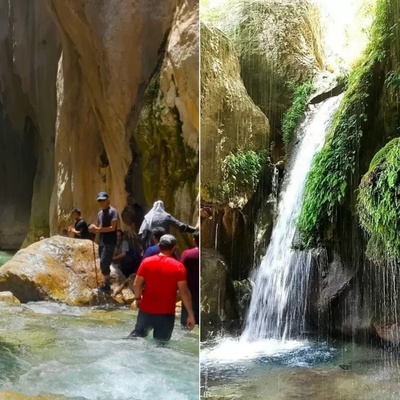
SAEDNEWS: Hidden among the forests of Mazandaran, Tirkon’s Seven Waterfalls combine seven cascading falls, lush vegetation and natural pools into a memorable nature escape. Here is what travelers should know about the best season, routes and precautions before heading into the Lefore forest.
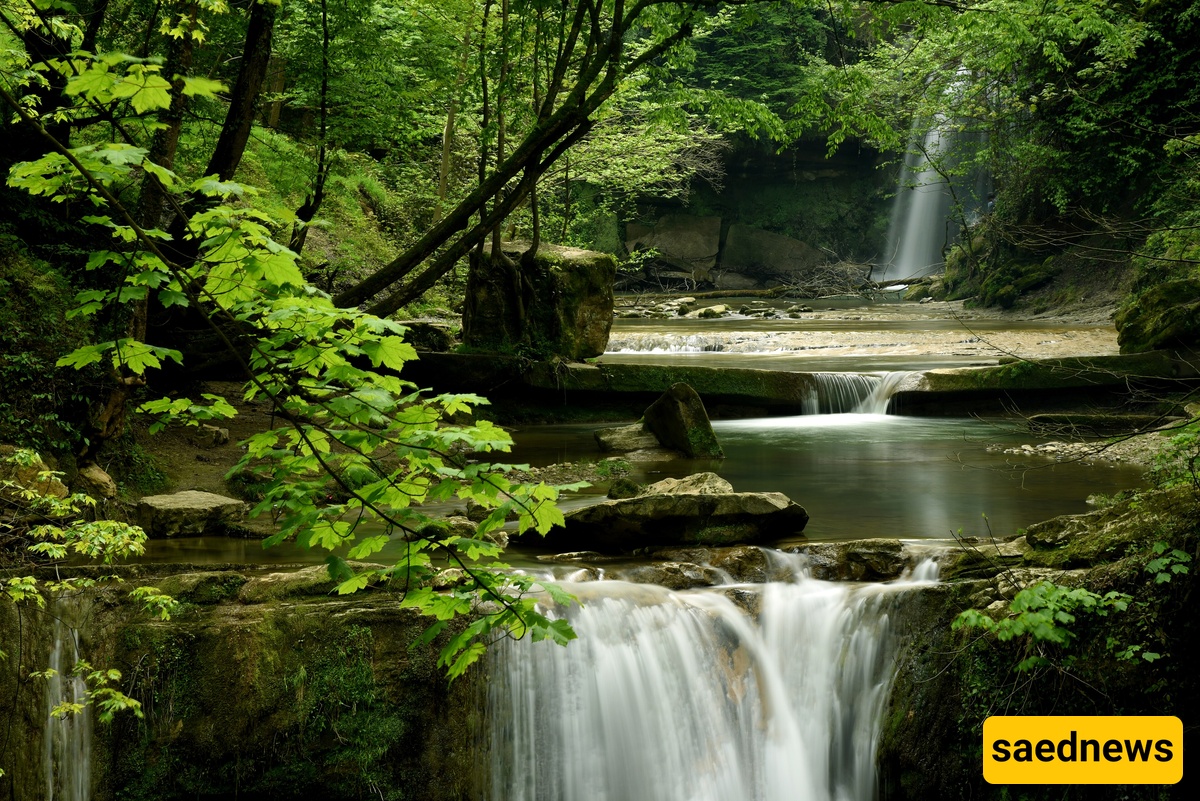
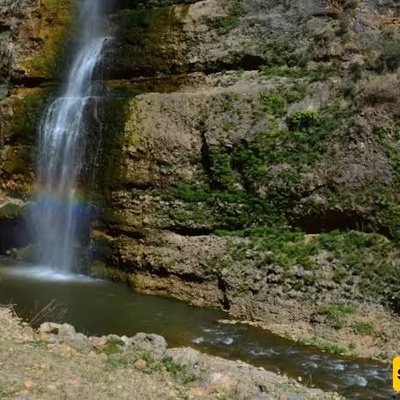
According to SaedNews: Deep inside the lush Lefore forest of Mazandaran lies a destination where the journey is almost as captivating as the place itself: Tirkon’s Seven Waterfalls. The attraction consists of seven large and small waterfalls arranged in a series of natural steps, with the main cascade reaching about nine meters and ending in a pool that visitors can enjoy for swimming and bathing.
Located near the village of Tirkon in the Drazkola area, the waterfall complex sits around the boundary of Babol and Savadkuh counties. Its combination of dense forest, flowing water and rugged terrain has made it one of the notable natural attractions in this part of northern Iran.
The waterfalls are also known as Tirkon Seven Waterfalls because of their proximity to the village. The source describes the area as having a geological history stretching back around 40 million years, adding another layer of interest to a landscape already defined by its forests and streams.
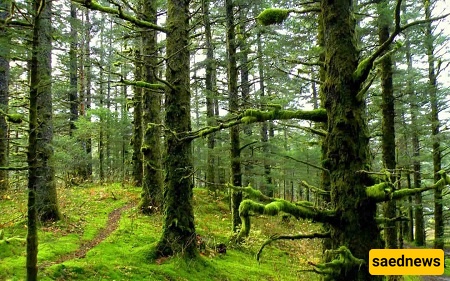
The natural setting is a major part of the attraction. The wider Seven Waterfalls area covers roughly 200,000 square kilometers according to the source, although the figure appears unusually large for a local attraction and should be treated cautiously. The surrounding forest includes trees such as hornbeam, maple, Persian ironwood, ash, elm, alder and other species.
The landscape becomes particularly appealing when the waterfalls are surrounded by dense greenery. The nearby grasslands and forest areas are also known for their fragrant vegetation, locally referred to as “Kalbkoosht.”
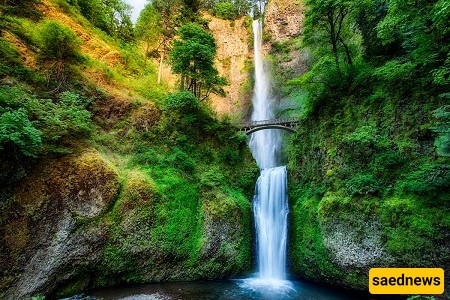
The main waterfall drops approximately nine meters. At its base, water has carved out a natural pool that can be an inviting place for visitors, particularly during warmer months.
But reaching the waterfalls is part of the experience. The area remains relatively wild, and vehicles cannot reach the waterfall itself because of the forest terrain and vegetation. Visitors therefore need suitable walking shoes and should be prepared for a hike rather than expecting a roadside attraction.
That remoteness is also one of Tirkon’s biggest appeals. Travelers who are looking for an escape from crowded urban spaces can experience a more natural environment, but the lack of infrastructure means preparation matters.
Tirkon’s Seven Waterfalls changes character throughout the year.
Spring is especially attractive, with May often considered a favorable time to visit. Seasonal rainfall can increase the volume of water flowing through the waterfalls, while the weather can make spending time outdoors more pleasant.
Summer brings warmer and more humid conditions. For visitors unfamiliar with the local climate, the combination of heat and humidity can make the experience less comfortable.
Then comes autumn—and this is when the forest can become particularly spectacular. As the leaves change color, the landscape takes on a striking multicolored appearance. The source describes autumn as the most impressive season for visiting the Seven Waterfalls, making it an especially appealing choice for travelers interested in scenery and photography.
Winter is a different story. Heavy snowfall can make travel difficult, and visiting the area during this season is not recommended in the source.
A trip to Tirkon does not have to end with the waterfalls.
One nearby attraction is Lefore Dam, also known as Salehi Mazandarani Dam. The surrounding area is associated with fishing and offers another way to experience the region's natural landscape.
Shey Alim Waterfall is another option. Located about two kilometers southeast of Gavzan village in Babol County, the waterfall descends from a rock formation around 30 meters high.
There is also Palangdareh, another forest attraction in Lefore. At the end of a river, an approximately eight-meter waterfall has formed, and the site is popular for summer swimming.
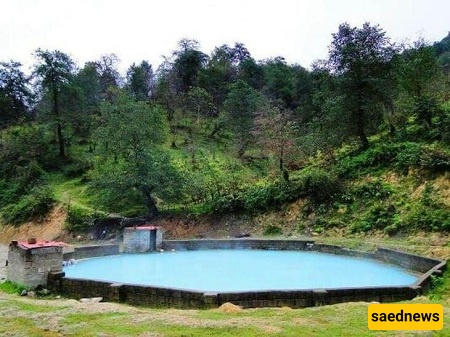
Travelers can also consider Azarud hot spring near Babol. The forest valley contains water emerging vigorously from underground, forming a small natural hot-water pool. The source notes the presence of sulfur compounds and describes the spring as traditionally associated with relief from rheumatic, joint and skin ailments.
For those who want a mountain village experience, Filband is another suggested stop. Known as the “roof of Mazandaran” because of its elevation, the village becomes particularly picturesque in spring when melting mountain snow feeds numerous streams around the area.
There are several approaches depending on where the journey begins.
Travelers coming from eastern cities can head toward Sari and then Qaem Shahr. From there, the Khatirokola road leads toward Drazkola and eventually Tirkon.
Visitors approaching from the northwest can travel toward Rasht, follow the coastal road toward Mahmoudabad and continue toward Babol. From the southern side of Babol, the Ganjafruz road provides access toward Drazkola and Tirkon.
From Tehran, the destination is about 270 kilometers away according to the source. One route leads through the Tehran–Pardis highway toward the Firuzkuh road, then Pol-e Sefid and the road toward Sari's northern forest areas. After reaching the junction toward Qaem Shahr and Babol, travelers should take the Babol direction, eventually reaching the turnoff toward Drazkola and then Tirkon.
The stated address is Tirkon village, Drazkola district, Babol Kenar, Mazandaran Province, within the Lefore forest.
The beauty of Tirkon comes with a responsibility: visitors need to treat the forest as a wilderness area rather than a fully equipped tourist site.
There are limited facilities inside the forest, so travelers should bring necessary food and supplies before entering. Checking the weather forecast is also essential, particularly because conditions can change in forest and mountainous areas.
Mobile reception is unavailable in parts of Lefore forest. Downloading an offline map before the trip can therefore be extremely useful, especially for finding the way back.
Fire is another serious concern. Visitors are advised not to light fires during hot seasons. If a fire is absolutely necessary for cooking, it must be completely extinguished afterward. Even a small spark can potentially spread through dry vegetation and cause extensive damage.
And perhaps the most important point is simple: leave the forest as you found it. Tirkon’s appeal comes from its relatively untouched character. Protecting the vegetation, water and surrounding landscape helps ensure that the seven waterfalls remain a destination worth discovering.
For travelers willing to walk, prepare carefully and respect the environment, Tirkon offers something increasingly valuable: the chance to slow down, follow the sound of falling water and experience one of Mazandaran’s forest landscapes away from the ordinary tourist route.