SAEDNEWS: Read here everything about bamboo tableware, from its benefits to how to wash it, as well as the differences between bamboo tableware and paper and plastic tableware, and suitable options for daily use.
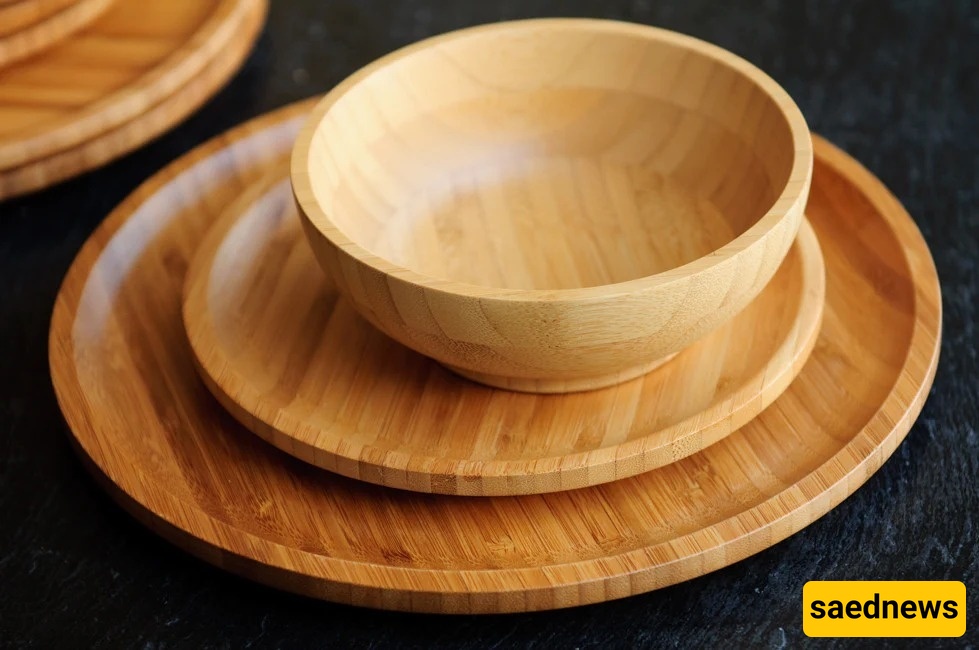
According to SAEDNEWS, Bamboo tableware is not just an aesthetic choice; it combines health benefits, durability, and environmental friendliness. Today, many restaurants and hosts prefer these natural options instead of plastic or paper tableware. Below, you can learn about their features, advantages, and care methods.
What is bamboo?
These items are made from the stems and leaves of the bamboo plant, a highly resilient species with extremely fast growth (up to one meter per day) that reaches maturity in a short time. Bamboo grows without the need for pesticides or chemical fertilizers and is naturally resistant to pests.
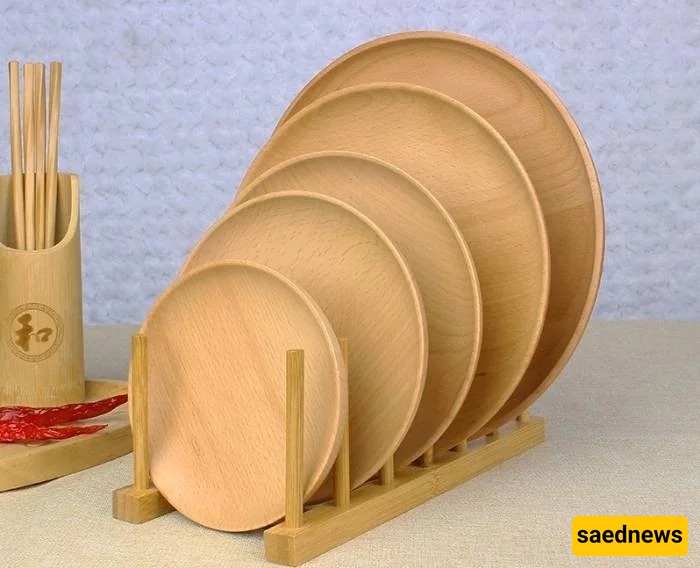
Bamboo tableware is generally suitable for serving salads, appetizers, and light refreshments.
Benefits and reasons for the popularity of bamboo tableware
Environmentally friendly: Fully biodegradable and does not harm nature.
Strong and durable: Compared to other natural tableware, it has higher strength and resistance.
Free from harmful chemicals: No toxic additives are used in its production process.
Elegant and classic appearance: Suitable for traditional, formal, and modern settings, from homes to restaurants.
Stain- and bacteria-resistant: The natural surface of bamboo helps prevent the accumulation of dirt and microbes.
Lightweight yet sturdy: It is light in weight but more durable than paper tableware.
Washable and reusable: After washing, it can be used again and offers good longevity.
Comparison with other types of tableware
Are bamboo tableware better than paper ones?
The production of paper tableware requires significant water, electricity, and the cutting of many trees, and its wax and polystyrene components are slow to decompose. In contrast, bamboo tableware is healthier, more hygienic, and more environmentally friendly.
Bamboo tableware vs plastic
They are an excellent choice for children because, unlike plastic tableware, no toxic substances or dyes leach into food, helping protect digestive health.
Alternative to porcelain and glass
Bamboo is a better alternative to porcelain and glass due to its lower cost and reduced risk of breakage, making it suitable for both everyday use and formal occasions.
Care and washing guidelines for bamboo tableware
Do not use a dishwasher.
Do not wash with strong detergents or bleach.
Avoid very hot water or leaving them submerged in water for long periods.
Natural disinfection methods for bamboo tableware
You can use simple homemade cleaners:
A mixture of vinegar and water for gentle disinfection; soak the item in the solution for about 10 minutes or wipe it with a cloth soaked in it.
A lemon and sea salt solution works as a natural scrub, cleaning and polishing the surface. After that, rinse with warm water and dry thoroughly.
How to restore bamboo tableware to like-new condition
Over time, bamboo tableware may become dull, develop fine scratches, or lose some of its natural oils. Fortunately, bamboo is a living, renewable material, and with a few simple methods you can restore its shine, cleanliness, and beauty.
Steps for restoring and rejuvenating bamboo tableware
1. Removing stains and surface scratches
To begin, gently sand the surface evenly using fine sandpaper or a soft scouring pad to remove scratches and stains.
Finally, wipe the surface with a damp cloth to completely remove dust and wood particles.
2. Oiling to restore the wood texture
After cleaning, apply a small amount of edible oil or olive oil to the surface so it penetrates the dry bamboo fibers and brings them back to life.
If the surface feels dry after some time, reapply oil using a cloth.
3. Important note when choosing oil
Always use odorless oil.
Scented oils such as coconut oil may leave a lingering smell in the wood, which can transfer an unpleasant odor to food when using the item.
Important tips to extend the life of bamboo tableware
Avoid placing bamboo tableware in the microwave or dishwasher.
Do not use untreated wooden items for oily or liquid foods such as soups and stews, as oil can penetrate the wood and cause deterioration.
Repeat the restoration and oiling process monthly or depending on frequency of use.
If desired, use food-safe wood waxes to polish the surface.
If stored inside cabinets, take them out occasionally to air them and prevent mold growth.