SAEDNEWS: “An imaginary companion” can teach us a great deal about how children think about their relationships with others. One of the issues that is very difficult to determine is what children know and do not know about relationships with other people, especially children of preschool age.
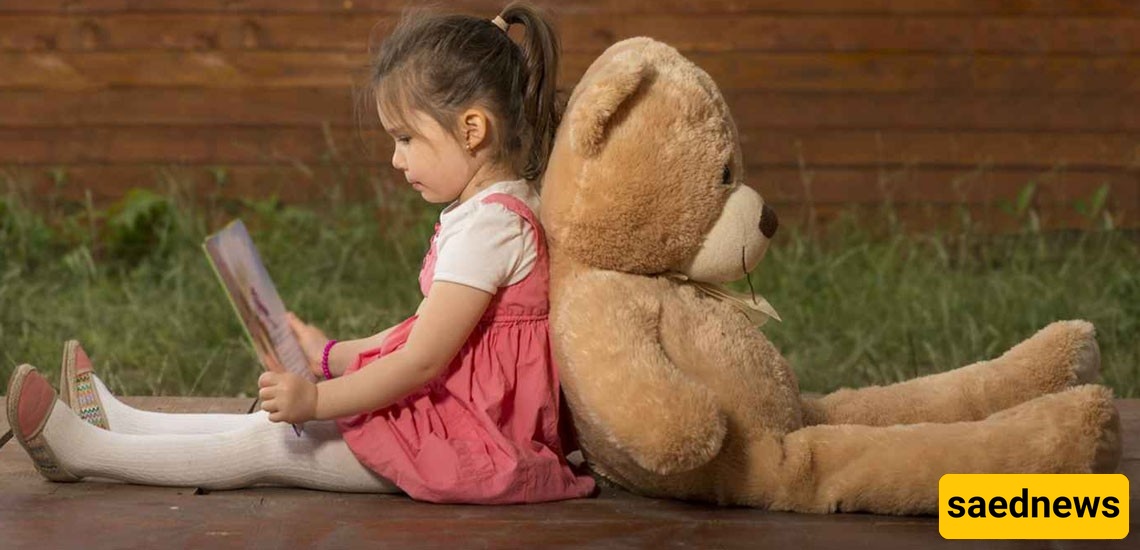
According to a news report from Saed News, citing Bartarinha, an “imaginary companion” can teach us a great deal about how children think about their relationships with others. One of the most difficult things to understand is what children know and do not know about relationships with others, especially preschool-aged children.
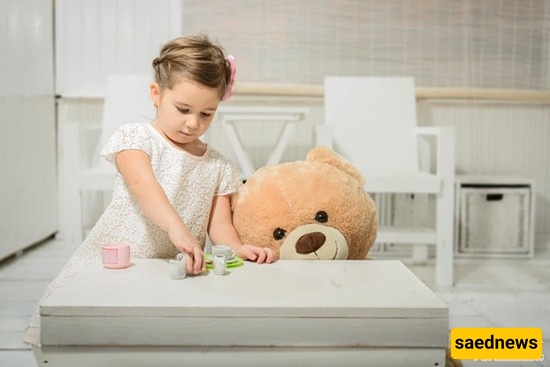
At this age, it takes some time for children to form real friendships. During this period, they may create imaginary friends—companions that sometimes worry parents, who fear their child is hallucinating. But is having an imaginary friend normal or abnormal? How should parents respond, and when should this friendship end? These questions were discussed with psychologist Atefeh Kianinejad.
Talking about a child’s imaginary friend helps strengthen your relationship with your child while also supporting their imagination. It can also help parents better understand their child’s interests, fears, and emotions, since a child’s likes or dislikes are often reflected in their imaginary friend.
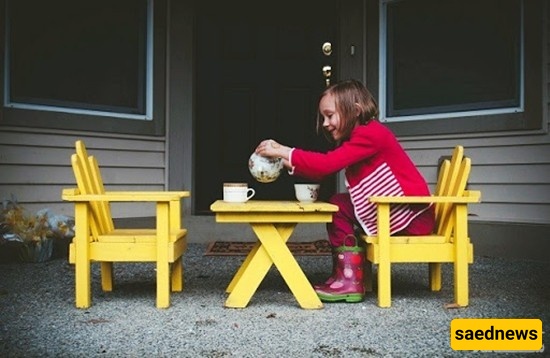
These imaginary companions may have special traits or abilities, or participate in activities that the child is curious about but afraid to try. A general rule is that parents should not bring up the imaginary friend unless the child mentions it first.
From around ages two to three, children develop the mental capacity to grow their imagination. At this stage, they may become so immersed in imaginative thinking that they perceive what they see as real.
Such imagination is an indicator of intelligence, mental health, and normal development. Parents should not worry if their young child plays with someone they cannot see. A child may initially talk, laugh, or cry with a toy—this is completely natural at this age.
As children grow, their understanding of the world expands. Around age five, their imaginary friends may also change. With exposure to kindergarten or peers, children may choose someone they feel close to and imagine them as a companion when that friend is not present.
They may continue playing at home with this imagined presence. At this stage, imaginary friends are still not harmful and may even contribute to the development of future social behaviors.
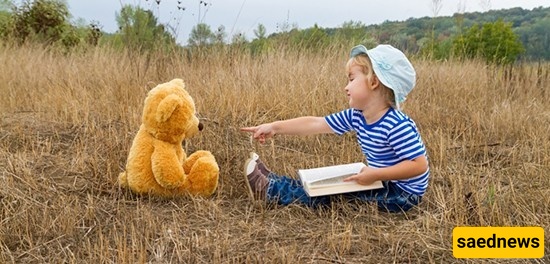
Having an imaginary friend is not a problem as long as it gradually fades as the child grows and reality becomes more dominant.
However, if after age seven the imaginary friend occupies too much of the child’s time and interferes with real social interactions, it may be concerning. This could indicate difficulties in social skills, depression, or social withdrawal. In such cases, psychological evaluation is recommended.
Children may sometimes use their imaginary friend to avoid punishment, claiming the friend encouraged them to do something wrong.
Parents should not take this literally. Instead, they should calmly question the child and encourage responsibility without insulting the imaginary friend. For example, they can ask why the child followed the suggestion if they knew it was wrong.
Imaginary friends can help children learn social behaviors and develop life skills. Through this interaction, children practice communication and better understand real-world relationships.

Parents should not treat imaginary friends as real individuals. Punishing them or reacting to them as real can encourage children to avoid responsibility by blaming them.
At the same time, parents should avoid mocking the child. Dismissing the imaginary friend or denying its existence can damage the child’s confidence and trust.
Parents should never ridicule a child’s imaginary friend. If a child says they are playing with their friend, parents should not respond by saying no one is there. Such reactions may reduce the child’s self-esteem and harm the parent-child relationship.
To ensure a healthy balance, children should have regular contact with peers. Activities such as phone calls, cultural and artistic classes, and group play can help.
School alone may not be enough for social development; additional opportunities for peer interaction are important.
At around age five, as children become more familiar with their environment, their imaginary friend may reflect real people they know. They may imagine playing with a friend from kindergarten when that friend is not present, continuing their interaction in imagination at home.