Saed News: Garlic has long been known as a beneficial food, but it is now making headlines for a newly discovered property. Scientists say that a compound found in aged garlic extract may help preserve muscle strength and combat age-related physical decline, a finding that could offer hope to millions of older adults.
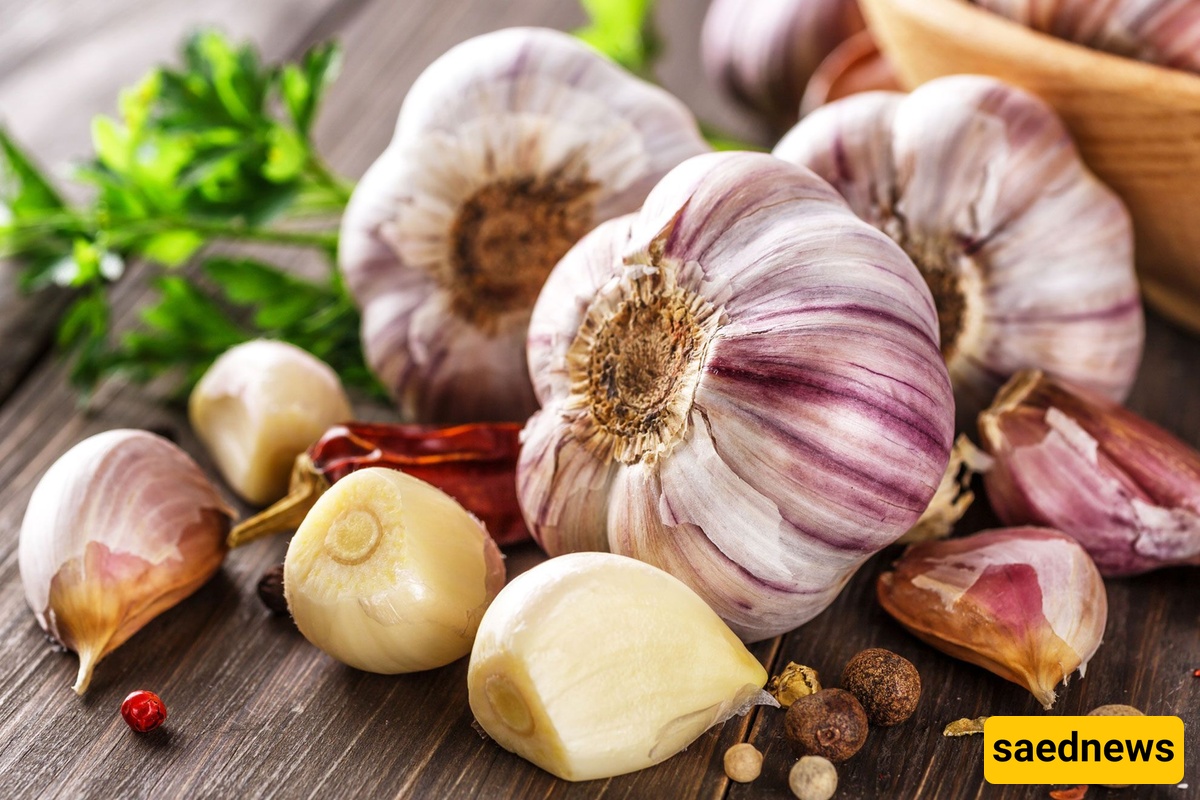
According to SAEDNEWS, as people age, many experience a loss of muscle strength. This issue can significantly affect quality of life. Researchers at the Institute for Research on Productive Aging (IRPA) and the Japanese pharmaceutical company Wakunaga have discovered a compound in aged garlic extract that may help address this problem. The substance found in aged garlic extract may reduce age-related muscle loss and improve muscle strength.
S1PC is a compound present in aged garlic extract. Its full name is S-1-propenyl-L-cysteine (S1PC). This compound activates a chain of signals in the body: first, it instructs fat tissue to produce a specific substance. That substance then travels through the bloodstream to the brain. The brain subsequently signals the muscles to function more effectively. In simple terms, aged garlic sends a message to body fat, the fat sends a signal to the brain, and the brain strengthens the muscles.
Researchers tested this compound on elderly mice and observed that after long-term consumption of S1PC, the mice became stronger and showed fewer signs of physical weakness.
In a human study, the beneficial compound increased in the participants’ bloodstreams, particularly among individuals with sufficient body fat.
Dr. Kiyoshi Yoshioka, a member of the research team, said:
“I am a physiotherapist, and it is upsetting to see older adults lose their abilities and vitality despite not having any specific illnesses. We hope our findings will help improve physical fitness and preserve muscle strength in older people.”
The global population is aging. Healthcare systems are increasingly dealing with problems caused by muscle weakness in older adults. Existing medications are often expensive and difficult to use over long periods. However, aged garlic has been consumed for centuries, and no serious adverse effects have been reported. As a result, this compound could become a safe and accessible option for maintaining muscle strength during aging.
Dr. Shin-ichiro Imai, President of the Institute for Research on Productive Aging, said:
“Our findings reveal a new and unique role for S1PC. We anticipate that this compound may have broader anti-aging effects that require further investigation.”
Despite the beneficial properties of garlic, self-medicating with garlic supplements is not recommended for everyone. Garlic can interact with certain medications, including blood thinners. If you have a medical condition or take prescription medications, consult your doctor before using it.
Further studies are still needed to determine the effects of this compound on human muscles and to evaluate its long-term safety. Nevertheless, this discovery has opened a new path for addressing age-related declines in physical function.
The details of this study were published in the prestigious journal Cell Metabolism.