SAEDNEWS: A small change in how tomato pasta is finished can transform an ordinary sauce into a smooth, glossy dish. The secret is not just cream, but the way starch, heat, and timing work together.
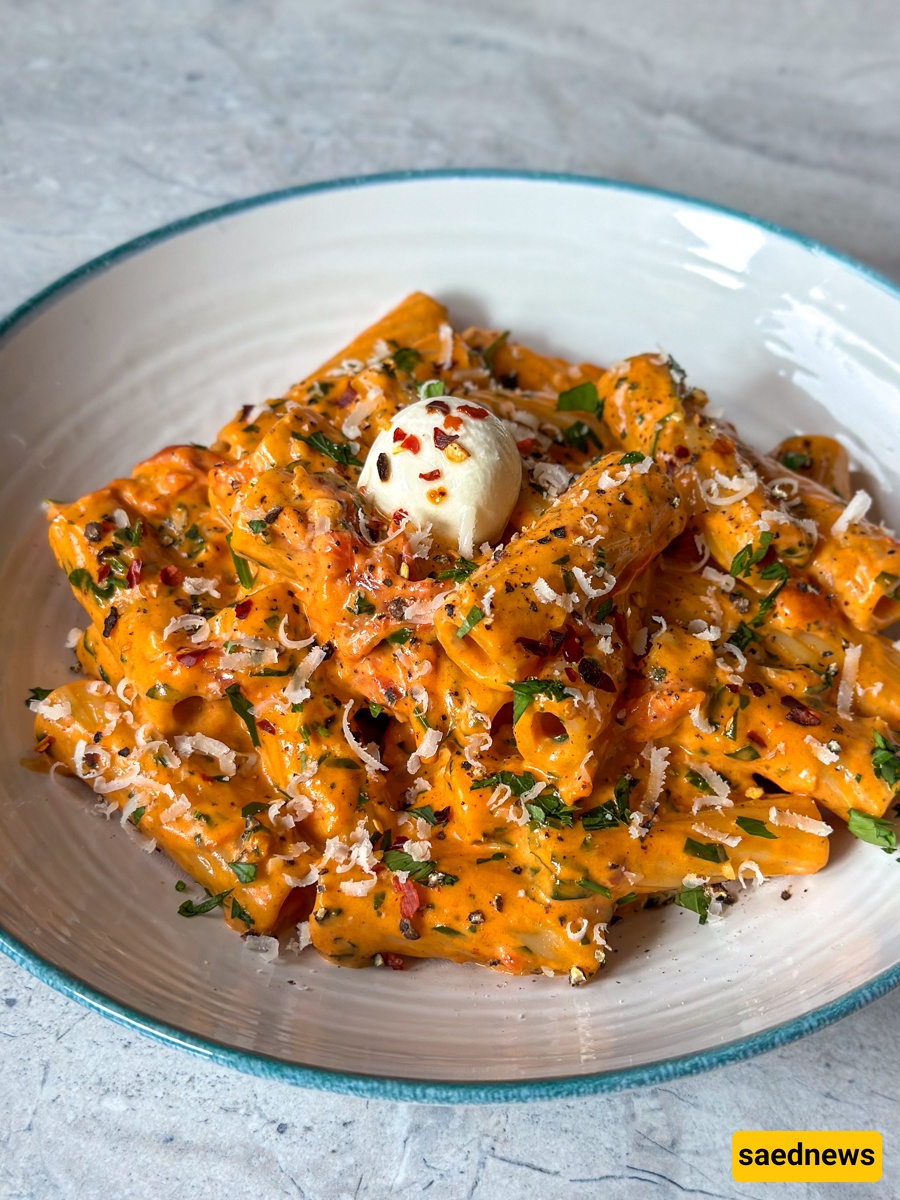
According to SaedNews,
Creamy tomato pasta looks simple: tomatoes, pasta, and a little richness from cream or cheese. Yet the difference between a flat sauce and one that feels like it came from a professional kitchen often comes down to one overlooked step: finishing the pasta with the sauce using reserved pasta water.
Many home cooks drain their pasta completely before combining it with tomato sauce. However, the starchy water left behind from cooking pasta can help the sauce become smoother and cling better to the noodles. Culinary sources frequently highlight this technique because the starch released during cooking helps create a more cohesive texture instead of a watery sauce.
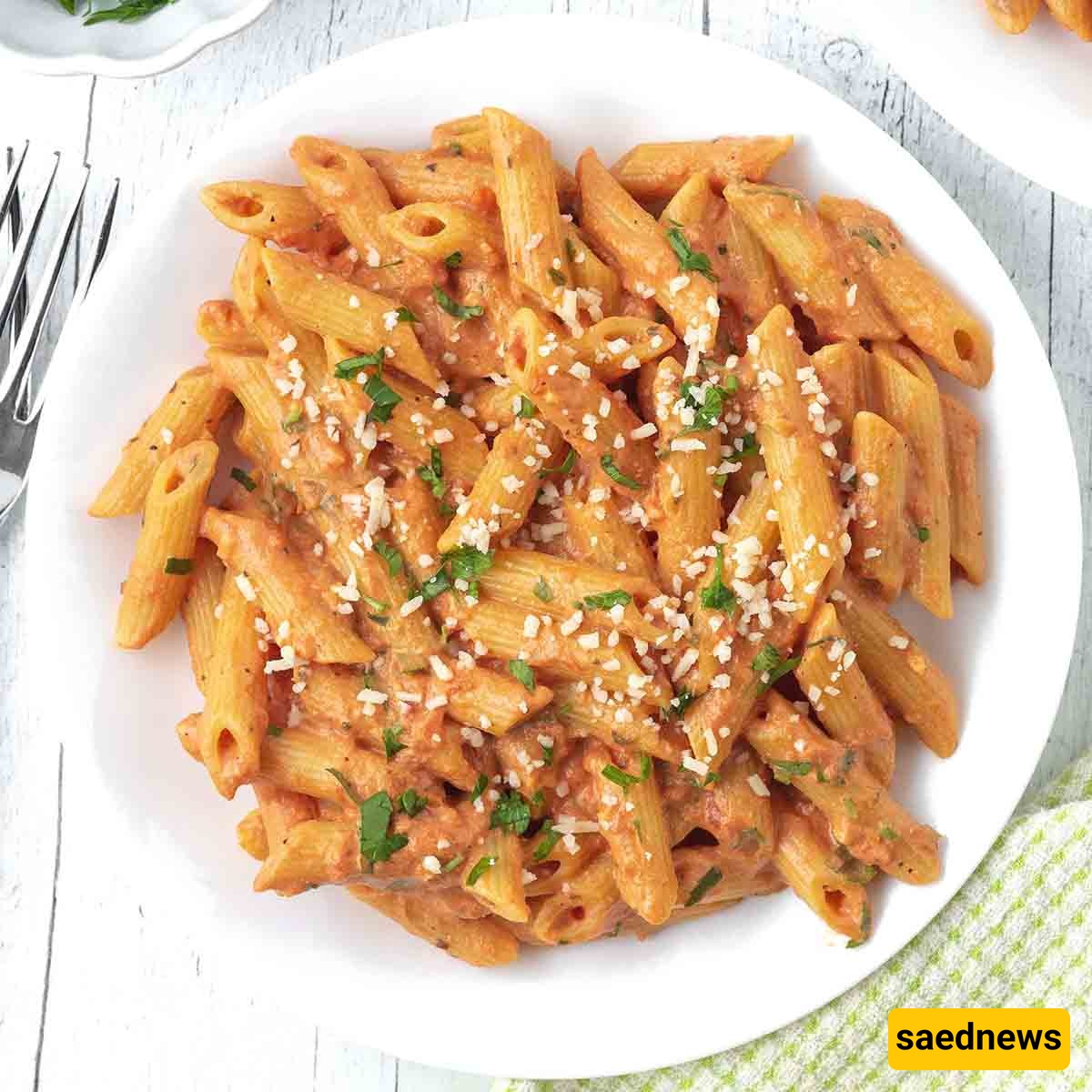
The biggest mistake with creamy tomato pasta is treating the sauce and pasta as separate parts. In many successful recipes, the pasta is added directly into the sauce before serving, allowing the noodles to absorb flavor while the sauce coats every surface.
A small amount of reserved pasta water can loosen a thick sauce while also helping fats, tomato liquids, and cheese combine into a smoother texture. This is why many cooks describe the result as glossy rather than simply creamy.
Adding cream can make tomato sauce richer, but too much cream can hide the bright flavor of tomatoes. The best versions usually balance acidity, richness, and texture.
A common approach is to build flavor first by gently cooking aromatics such as onion and garlic, then allowing tomatoes to reduce before adding cream near the end. This creates a sauce with deeper flavor instead of one that simply tastes heavy.
Another technique used by many cooks is briefly cooking tomato paste before adding liquid. Heating the paste can concentrate its flavor and reduce the sharp taste of uncooked tomato.
This step is especially useful when using canned tomatoes, because it creates a deeper base before the cream and pasta are introduced.
For a restaurant-style result at home:
Cook pasta until slightly firm rather than completely soft.
Reserve a cup of pasta cooking water before draining.
Build the tomato sauce separately and allow its flavors to develop.
Add cream gradually instead of using it as the main flavor.
Combine pasta and sauce in the pan.
Add small amounts of pasta water until the sauce becomes smooth and coats the noodles.
The final texture matters as much as the ingredients. A good creamy tomato pasta should not feel like pasta covered in liquid; it should have a sauce that wraps around each piece.
The “secret” behind many memorable creamy tomato pasta dishes is not a rare ingredient. It is the final combination of timing, starch, and gentle mixing.
A few spoonfuls of pasta water and a final minute of cooking together can turn a basic tomato sauce into something richer, smoother, and much closer to the texture people expect from restaurant pasta.