SAEDNEWS: Some foods can lose their quality, freshness, and nutritional value when stored in transparent containers. Protecting certain ingredients from light exposure and choosing suitable storage containers can help maintain their taste, texture, and shelf life.
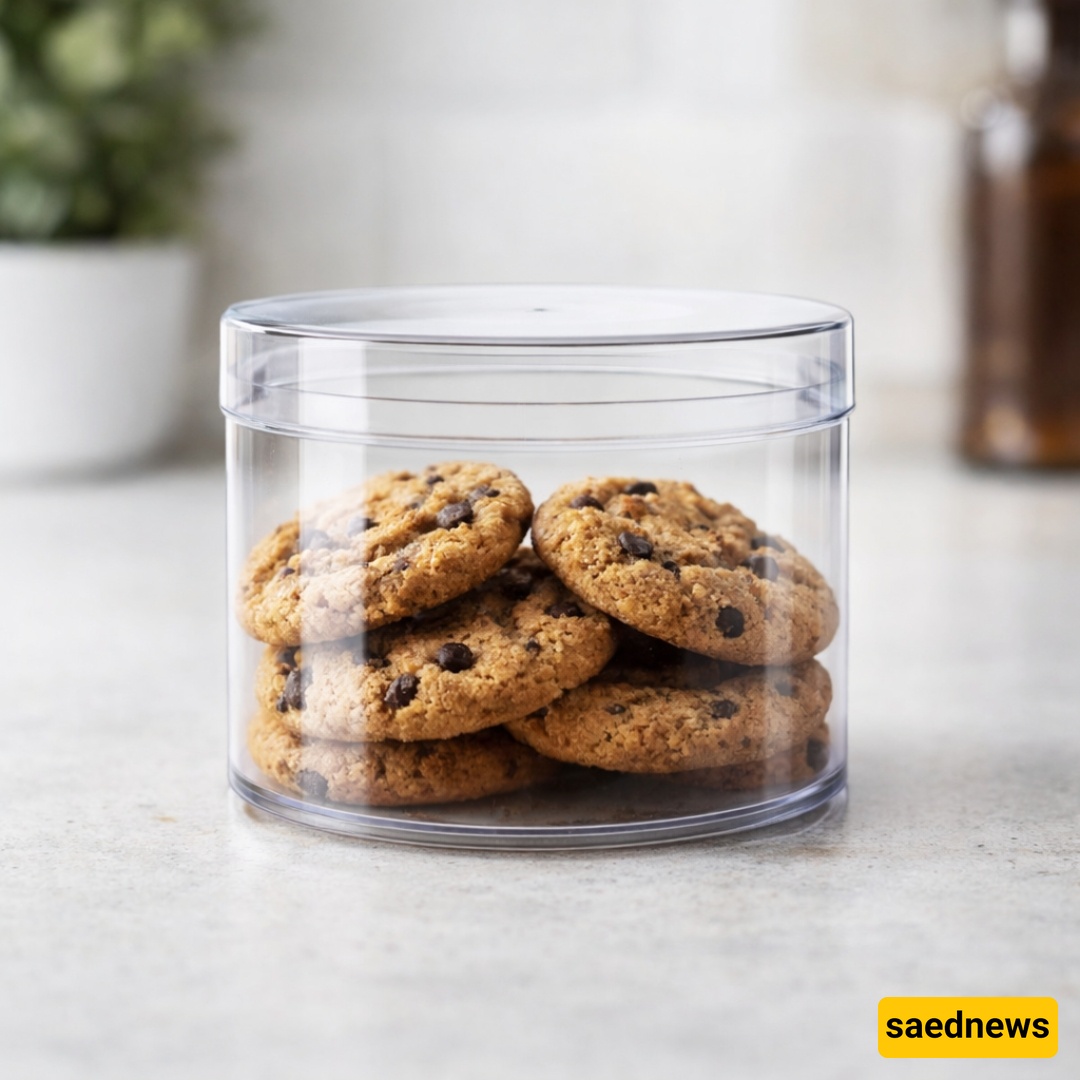
According to SAEDNEWS, choosing the right storage container plays an important role in keeping food fresh. While transparent containers are convenient because they make it easy to see the contents, they may not be suitable for some foods that are sensitive to light. Proper storage methods can prevent changes in flavor, color, and quality.
Many dry ingredients, such as grains, seeds, and some powdered foods, can be affected by continuous exposure to light. Keeping these items in opaque or darker containers helps protect their natural properties and prevents them from losing their freshness over time.
Spices and natural flavoring ingredients often contain delicate compounds that can weaken when exposed to light for long periods. Storing them in closed, non-transparent containers can help preserve their aroma, taste, and overall quality.
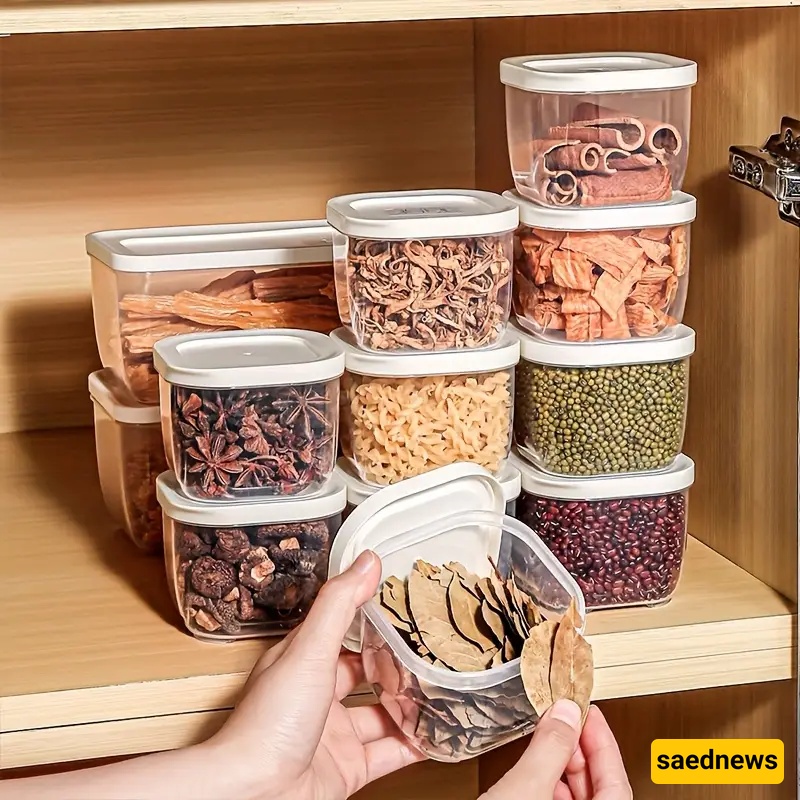
Some oils and liquid ingredients may change in quality when they are kept in clear containers and placed near light sources. Using darker containers or storing them in a shaded area can help maintain their original characteristics for a longer time.
Ingredients such as dried fruits, nuts, and similar foods are often better preserved when protected from light and air. Suitable containers can reduce the risk of changes in texture, flavor, and freshness while keeping them ready for use.
Selecting storage containers based on the type of food is a simple way to improve kitchen organization and reduce waste. Opaque, airtight containers are often a better choice for foods that need extra protection, helping maintain quality and extend storage time.