SAEDNEWS: No age group is as active and imaginative as children under seven years old. That is why they often feel hungry between meals and need healthy snacks and light refreshments to keep their energy levels up

According to SAEDNEWS, Children under the age of seven are naturally energetic and imaginative, which means they tend to get hungry between their main meals. Providing nutritious snacks and small meals throughout the day can help meet their energy needs and support their active lifestyle.
Although growth during this stage is much slower than in the first two years of life, children in this age group still need about 1,200 to 1,600 calories per day. These calories should come from a balanced diet that includes whole grains, lean meats, legumes, low-fat dairy products, fruits, and vegetables.
However, meeting these nutritional needs is not always easy. Some children do not eat well during mealtimes, while others prefer to eat only a limited variety of foods. As a result, gaps can develop in their daily nutrient intake. Offering healthy and nutritious snacks can help fill these gaps and prevent children from becoming overly hungry between meals.
Keep healthy snacks readily available in the refrigerator. Allow your child to choose their snack from a selection of nutritious options you have prepared.
Involve your child in preparing snacks. Children at this age enjoy feeling helpful and important. They can assist with simple tasks such as peeling fruit for a fruit salad or placing plates and napkins on the table.
Establish a regular schedule for meals and snacks. A consistent routine helps children recognize and manage their hunger. They will understand that if they skip one meal or snack, another eating opportunity will come later. Avoid allowing children to graze throughout the day, as constant snacking can interfere with healthy hunger cues and encourage overeating.
Do not allow your child to eat in front of the television. Serve all meals and snacks at the dining table to promote mindful eating and healthy eating habits.
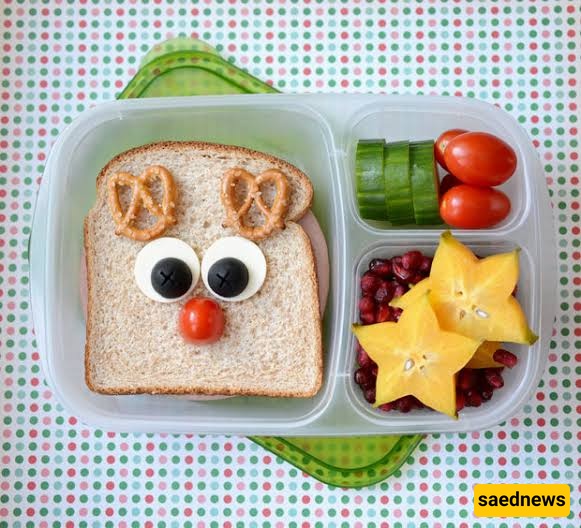
Stock your home with mostly healthy foods and limit high-calorie, high-fat, and sugary snacks whenever possible. This does not mean children can never enjoy these foods, but they should be offered only occasionally and in moderation.
Instead of sugary drinks such as soda, offer low-fat milk or water with snacks. Limit one hundred percent fruit juice to one serving per day.
Provide a variety of snack options, not just your child's favorites. Introduce new foods regularly, but do not give up on foods they previously refused. Children often need multiple opportunities to try a food before they accept it.
Pay attention to how your child's mood affects their eating habits. Children sometimes mistake boredom or tiredness for hunger. If your child has recently eaten but says they are hungry again, try engaging them in a new activity or game to see if that satisfies their need for stimulation.
Join your child when eating snacks. Seeing you enjoy healthy foods can encourage them to develop positive eating habits and appreciate nutritious choices.