SAEDNEWS: Traveling with children can be fun and exciting. However, it also comes with its own challenges. Travel can disrupt the daily eating routine, and people often have to consume foods that are different from their usual meals.
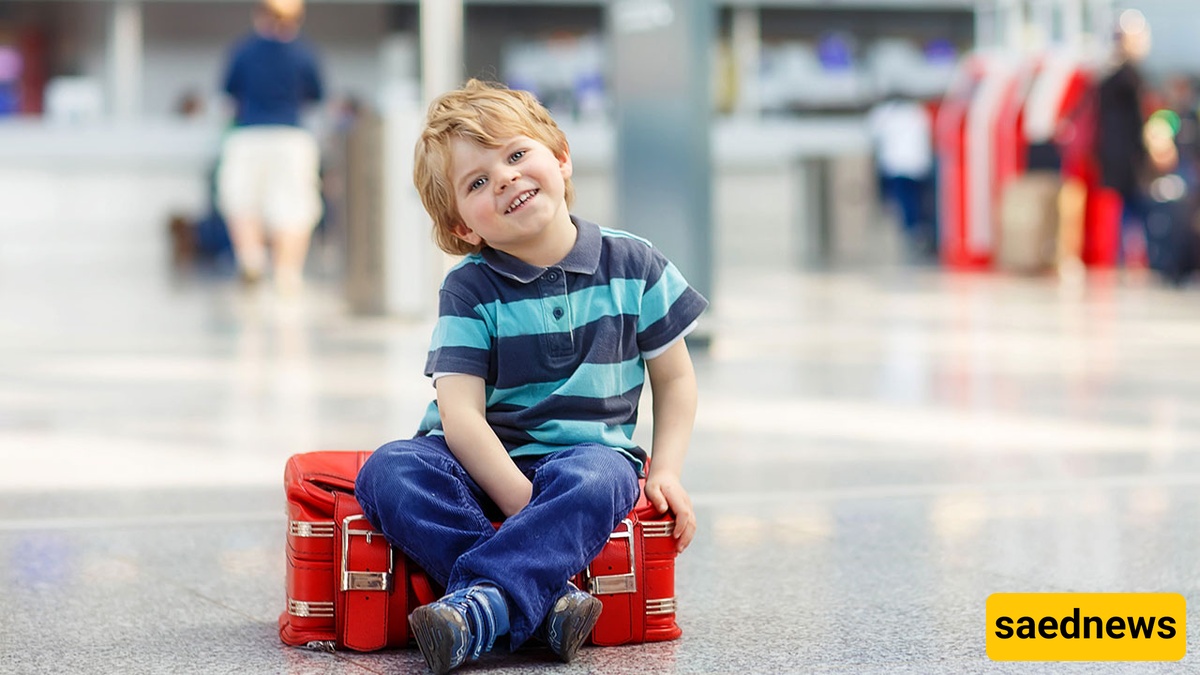
According to SAEDNEWS, You should pay close attention to your child’s nutrition while traveling. If you plan ahead before the trip, you can easily manage these challenges.
If you choose to provide nutritious and healthy foods, you can adjust more easily to changes in your child’s eating schedule during travel. Sometimes you may end up consuming unhealthy foods. To prevent this, always carry some healthy snacks and drinks with you.
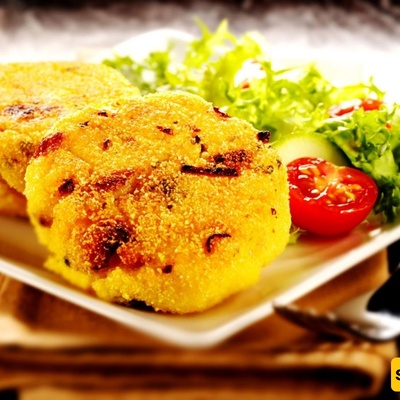
Meal times may become irregular, and when your child gets hungry, food may not be available, causing them to snack frequently and eat unhealthy treats. If you always have some prepared foods, such as kuku or cutlet sandwiches, with you, you can prevent unnecessary snacking.
You can follow the same approach when traveling by train or airplane. As much as possible, try to organize your child’s sleeping and eating schedule so that they do not become hungry and tired by the end of the trip. If your hotel or accommodation has a refrigerator, you can easily prepare and store your preferred foods. Always carry a bottle of boiled water with you.
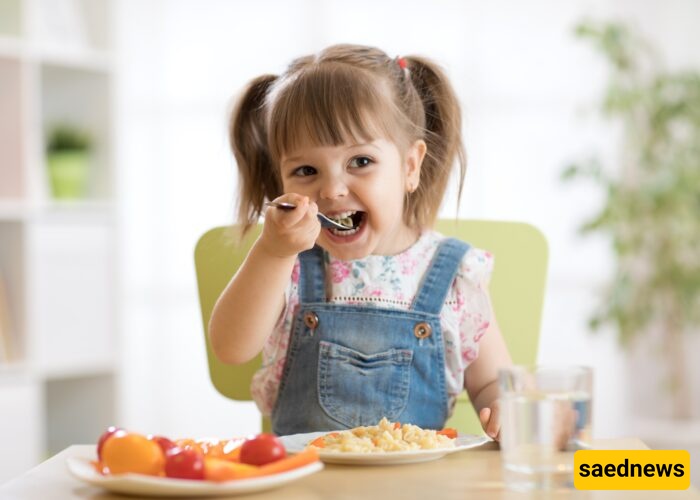
Traveling with an infant can sometimes be easier than traveling with toddlers who are already walking. If the baby is breastfed, the mother should breastfeed according to a regular schedule. If the baby uses formula, preparing formula in a bottle in advance is easier than making it during the trip. However, for long journeys that take a lot of time, to prevent possible spoilage, you should carry formula powder with you and mix it with boiled water whenever needed before giving it to the baby.
Always carry a bottle of boiled water with you.
If your child eats complementary foods such as soup, yogurt, and similar foods, it is better to place the food in clean bottles or containers and close the lid tightly to make transportation easier.
Foods that children can hold and eat by themselves (such as biscuits, cake, and similar snacks) are also suitable for travel. However, always make sure that the food does not get stuck in the child’s throat.
Bring your child’s bib and special wipes with you.
When traveling by airplane, infants and young children may feel discomfort or pain in their ears during takeoff and landing. Sucking on a baby bottle, pacifier, or drinking from a cup can help reduce this ear pain.
Traveling abroad with a child can be challenging because, in addition to unfamiliar food tastes, you also need to make sure that the food is safe and healthy.
Always use bottled mineral water (safe water free from germs).
Do not consume iced drinks.
Wash fruits and vegetables thoroughly and peel them before eating.
Avoid eating food that is not properly cooked or served hot.
Never eat food from outside or street vendors.
Brush your teeth and rinse your mouth with bottled water.
Keep an eye on your child and make sure they do not put unsafe objects or foods into their mouth.