SAEDNEWS: Prebiotics are essentially the food source for probiotics. When probiotics break down essential prebiotic fibers, the body is able to absorb and benefit from their properties.
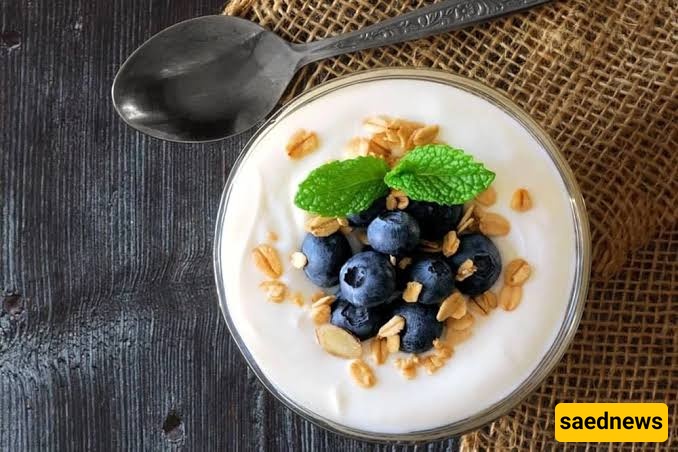
According to Saednews, Prebiotics are essentially complex carbohydrates or types of dietary fiber that cannot be broken down by stomach enzymes. These compounds eventually pass into the intestines. Although the human gut cannot digest them directly, certain bacteria in the intestines can break down prebiotics, allowing the body to benefit from their properties. These compounds are found in many foods.
You have probably seen the term “probiotic” on some dairy product labels. Probiotics are beneficial gut bacteria responsible for digesting prebiotic compounds. It may be interesting to know that billions of bacteria live in the human intestine, most of which are beneficial. Collectively, these gut bacteria are called the normal intestinal flora or gut microbiota. Probiotics are part of this microbial system.
As mentioned, prebiotics are fibers and certain carbohydrates found in foods, while probiotics are live bacteria and yeasts that live in the gut.
In other words, prebiotics are the “food” for probiotics. When probiotics break down prebiotic fibers, the body benefits from their positive effects.
Therefore:
Probiotics = living microorganisms
Prebiotics = food for those microorganisms
The balance of gut bacteria is essential for maintaining a healthy digestive system. Recent studies have explored the role of gut bacteria extensively.
Only a small portion of these bacteria are harmful, while the majority support overall health. Research shows that diet directly influences this balance. For example, excessive consumption of fatty foods can increase harmful bacteria. This may lead to higher calorie absorption and weight gain.
Overuse of antibiotics can also negatively affect gut bacterial balance.
Prebiotic fibers are found in the following foods:
Vegetables: leeks, artichokes, asparagus, chicory root, spinach, onions, potatoes, garlic
Legumes: chickpeas, beans, oats
Fruits: bananas, berries, apples
Whole grain bread, cereals, and bran-based biscuits
Honey
Soy
Cocoa
Scientists link the benefits of prebiotics to probiotic bacteria. When beneficial bacteria ferment these compounds, positive effects occur in the body, including:
Supporting growth of probiotics and improving metabolism and digestive function
Increasing mineral absorption such as calcium
Modulating blood sugar response after meals
Supporting intestinal lining health
Reducing constipation and improving bowel movement through increased fermentation
Helping restore gut balance after antibiotic use
So far, no major side effects have been reported from consuming prebiotic-rich foods. However, research is still ongoing and not fully complete.
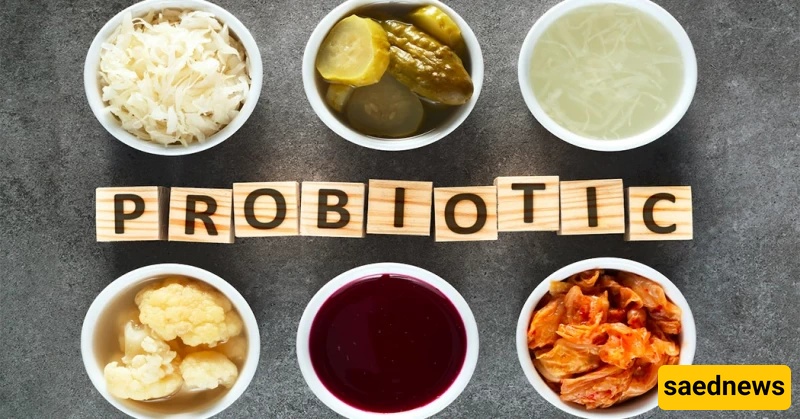
Probiotics can be found in foods such as:
Dairy products: yogurt, cheese, kefir
Fermented olives
Sourdough bread
Pickled cucumbers
Apple cider vinegar
Sauerkraut
Kimchi (Korean fermented food)
Naturally fermented pickles made with sea salt
Probiotics provide several health benefits, including:
Restoring and maintaining gut microbial balance
Supporting mental health and reducing risks such as depression
Preventing and treating diarrhea (e.g., specific strains like Lactobacillus rhamnosus, Lactobacillus casei, and Saccharomyces boulardii)
Reducing bloating after initial use as gut balance stabilizes
Improving digestion and reducing acid reflux
Supporting skin health through microbial balance
Lowering cholesterol absorption and supporting heart health
Strengthening the immune system
Helping regulate appetite and fat absorption, potentially supporting weight management (still under study)

Most probiotic effects are beneficial, but some people may experience mild temporary side effects:
Bloating, gas, or mild digestive discomfort during initial use
Mild headaches due to amine compounds affecting the nervous system
Allergic reactions in sensitive individuals
Rare skin reactions such as itching or rash
These effects are usually temporary and subside within one to two weeks as the body adjusts.
Prebiotics and probiotics are not competitors—they work together.
Prebiotics feed beneficial bacteria
Probiotics are the beneficial bacteria themselves
For optimal gut health, both are important and complementary rather than interchangeable.