SAEDNEWS: U.S. Media Reports New Phase of Iran–U.S. Tensions Over Control of the Strait of Hormuz
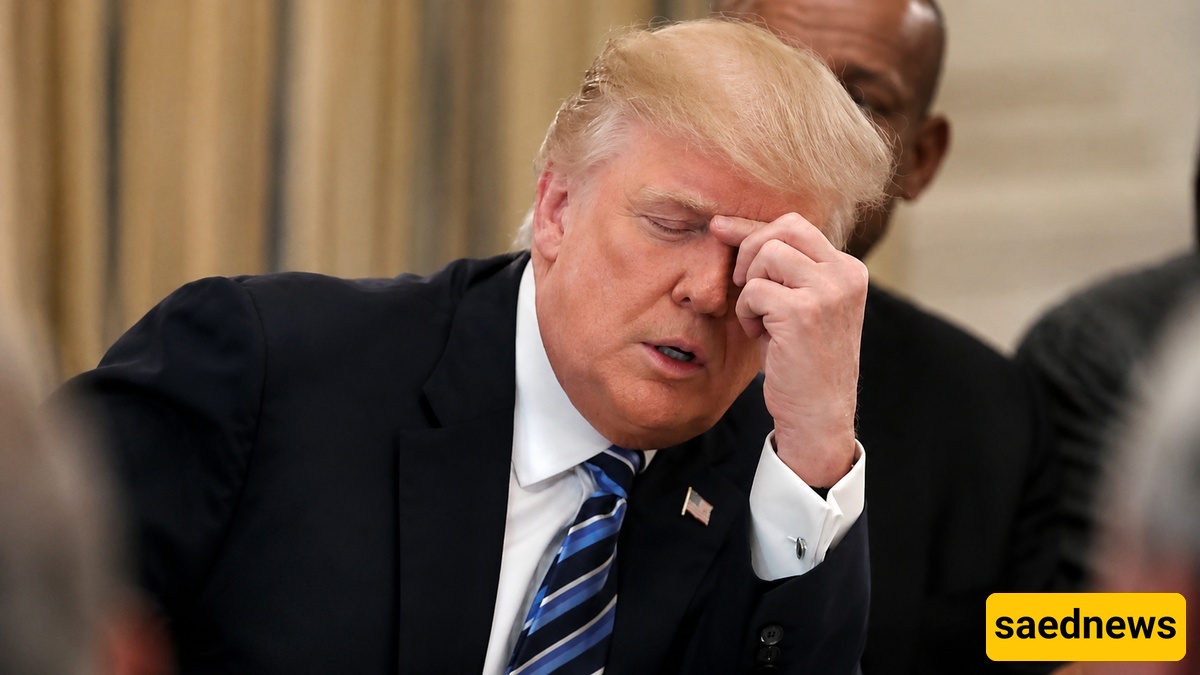
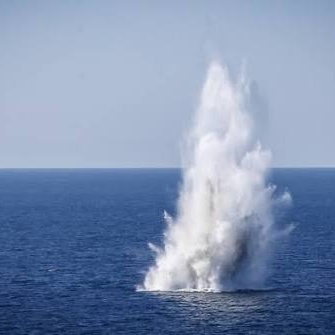
According to the political desk of the Saed News website,, less than two weeks after the signing of a memorandum of understanding to end hostilities between Iran and the United States, military tensions have once again escalated in the region. Following Iran’s firing at a vessel passing through the Strait of Hormuz, the United States targeted Iranian missile and drone sites, and both sides carried out additional retaliatory strikes, each accusing the other of violating the ceasefire.
Although the situation does not yet amount to a full-scale war, it indicates the entry into a new phase of conflict over control of the Strait of Hormuz. Analyses suggest that the United States has been unsuccessful in the confrontation initiated by Donald Trump and has failed to achieve its objectives of forcing Iran into unconditional surrender or imposing strict nuclear restrictions. The central dispute now is whether Iran has the right to control the Strait of Hormuz and collect transit fees, or whether Washington can restore pre-war freedom of navigation.
Meanwhile, officials from both countries offer differing interpretations of the recent agreement. Iran’s Foreign Minister, Seyed Abbas Araghchi, insists that under the agreement, exclusive responsibility for the strait lies with Iran. However, the Trump administration claims it will not allow Tehran to control an international waterway. The root of these contradictions lies in the ambiguity of the agreement text, which postpones resolution of key disputes to a later stage. Diplomats believe that the presence of an inexperienced U.S. negotiating team, including J.D. Vance (Vice President), Jared Kushner, and Steve Witkoff, contributed to the drafting of this unclear text.
Iran, which claims to have successfully defended itself through this defensive war, considers control of Hormuz a strategic gain and has established a body called the “Persian Gulf Waterway Authority,” requiring ships to register for mandatory insurance, effectively functioning as a transit fee. In contrast, Washington maintains that the regional balance of power has not changed. Although some vessels have exited the Persian Gulf via the Oman corridor, which is free of Iranian mines, the recent attack on a commercial ship demonstrated that these routes remain within easy range of Iranian missiles and drones.
In this equation, time is seen as working in Tehran’s favor. Iran is currently benefiting from the lifting of maritime blockades and the granting of sanctions waivers to facilitate its oil exports. On the other hand, disruptions to shipping in the Persian Gulf pose a serious threat to the global economy. Donald Trump warned at the G7 summit (June 17) that Western oil reserves would last only about four more weeks. As mid-July deadlines or the months of August and September approach, if shipping conditions remain stagnant or worsen, global markets could face a severe energy shortage and a major economic crisis.
Tensions over the Strait of Hormuz are rising again; do you think Trump will choose negotiation, or are the two countries heading back toward military confrontation?