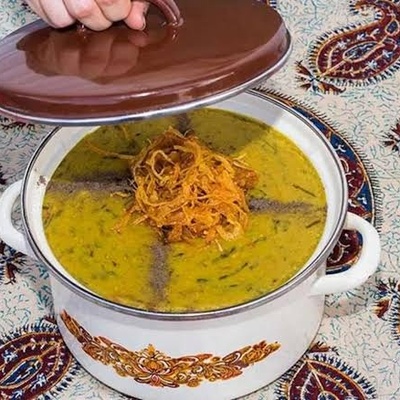
SAEDNEWS: Traditional Aash-e Dandani Recipe: A Nutritious Persian Soup for a Baby’s Tooth-Eruption Celebration (Serves 8–40 Guests)
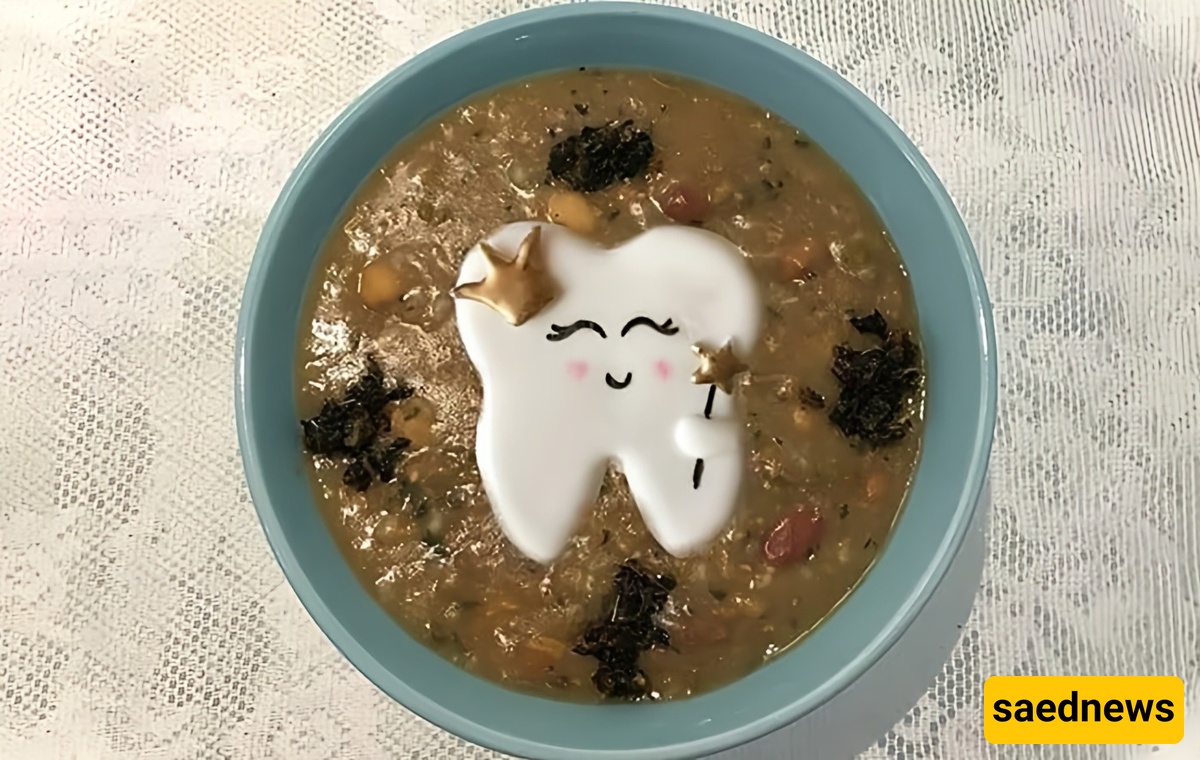
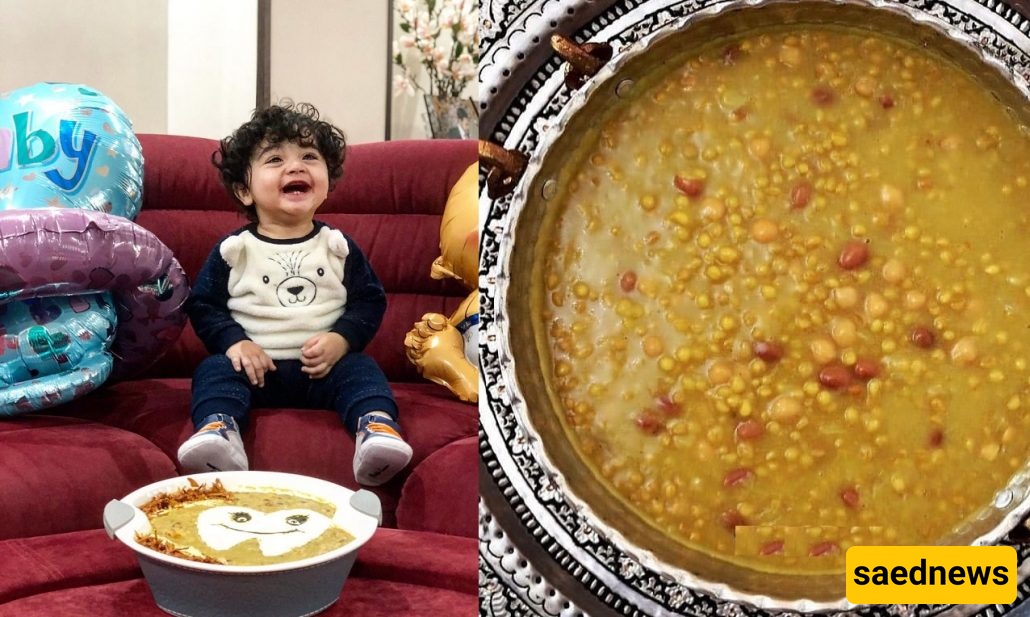
Ash-e Danduni is one of the sweetest and most memorable Iranian customs, prepared to celebrate a child’s first tooth eruption. At the heart of this ceremony is a rich, hearty, and flavorful bowl of soup, sometimes served alongside other dishes such as Ash-e Sholeh Qalamkar. It symbolizes blessings, abundance, and warmth, and is prepared with love by the host for guests.د...
If you are looking for the secrets to making a thick, nutritious, and restaurant-style Ash-e Danduni with lasting aroma and taste, this guide walks you through a simple homemade version step by step.
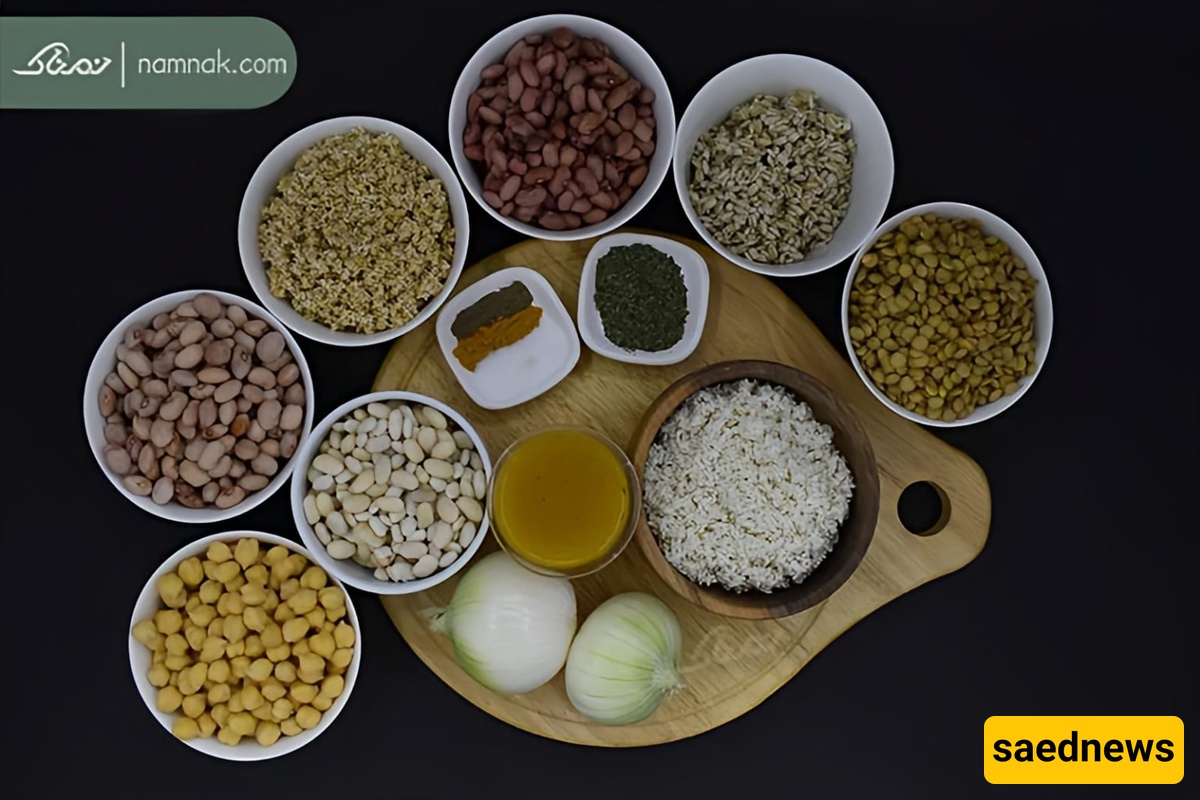
Ingredient | Amount |
|---|---|
Red beans | 1 cup |
Pinto beans | 1 cup |
Black-eyed peas | 1/3 cup |
Chickpeas | 1 cup |
Lentils | 1 cup |
Wheat | 1 cup |
Barley & rice | 1/2 cup each |
Meat broth (or meat substitute) | 1 cup |
Lamb meat | 300 g |
Onion | 4 |
Mint oil & whey (kashk) | For garnish |
Salt, black pepper, turmeric | As needed |
Soak all legumes overnight or at least 7 hours, changing the water several times to remove bloating compounds. Soak wheat, barley, and rice for about 4 hours.
Drain the soaked legumes and cook them separately (except wheat, barley, and rice). Cook the meat with onions in a separate pot until tender.
Once legumes are fully cooked, strain wheat, barley, and rice.
Slice two onions.
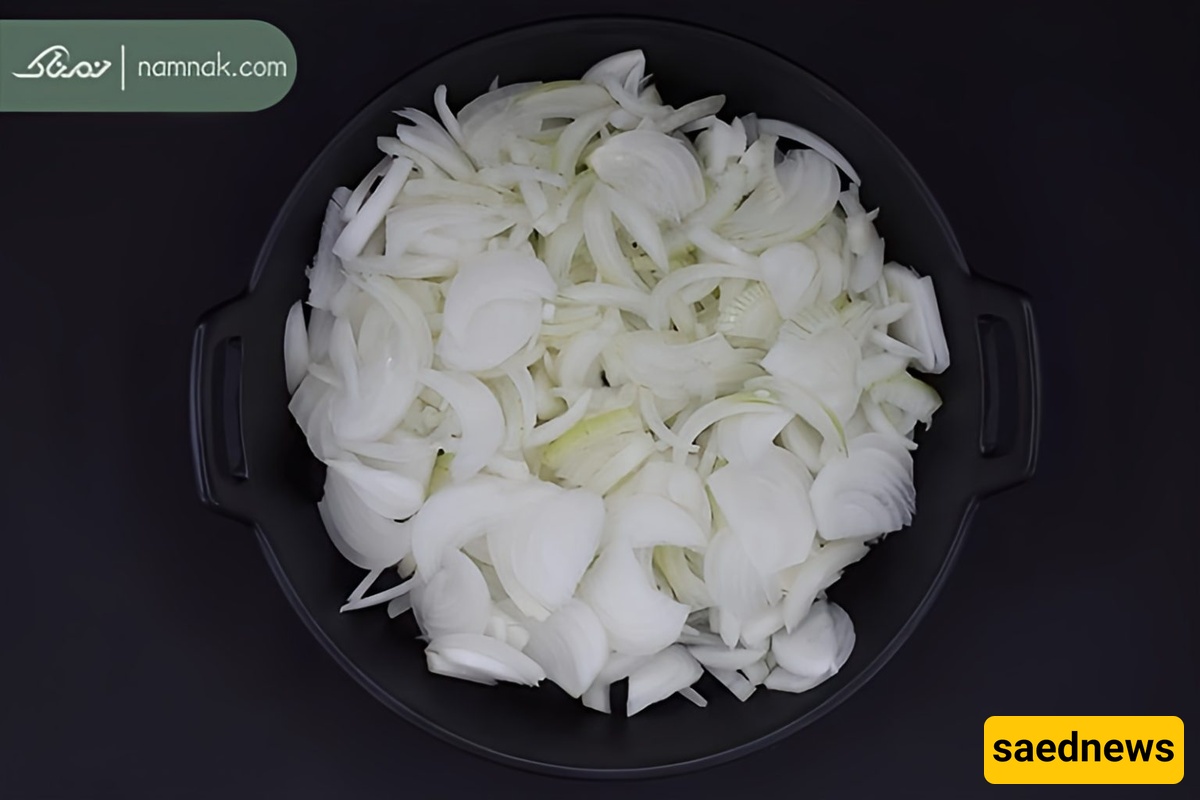
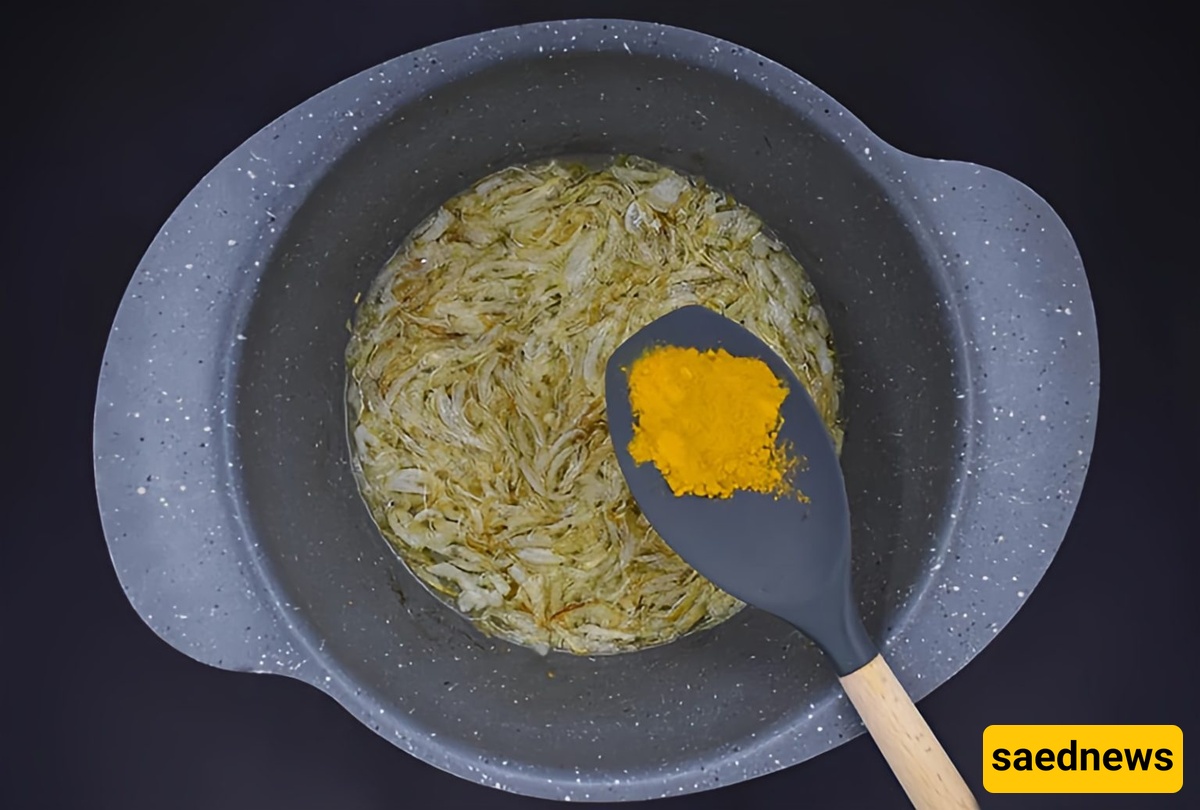
Fry onions in oil with turmeric until golden.
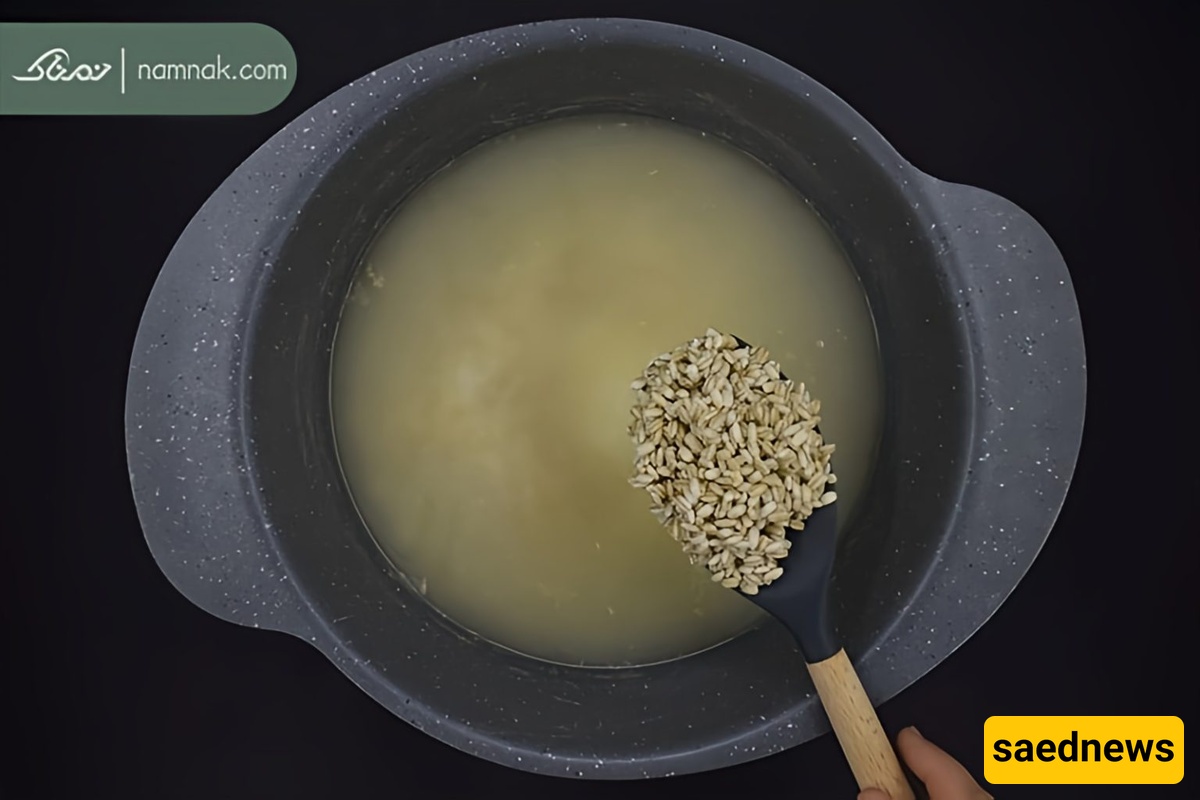
In a large pot, cook wheat with water until it starts to soften.
Add rice and barley to the wheat and stir well.
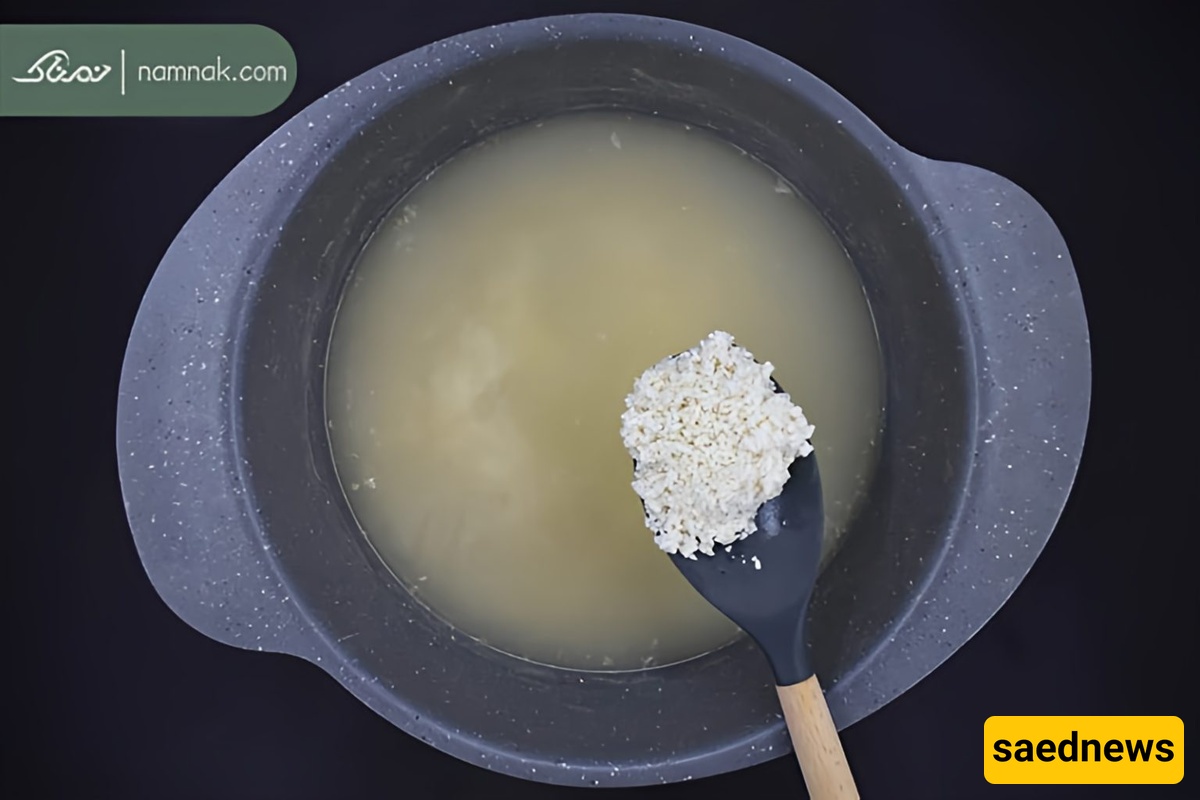
Add all cooked legumes. Shred the meat and add it along with its broth.
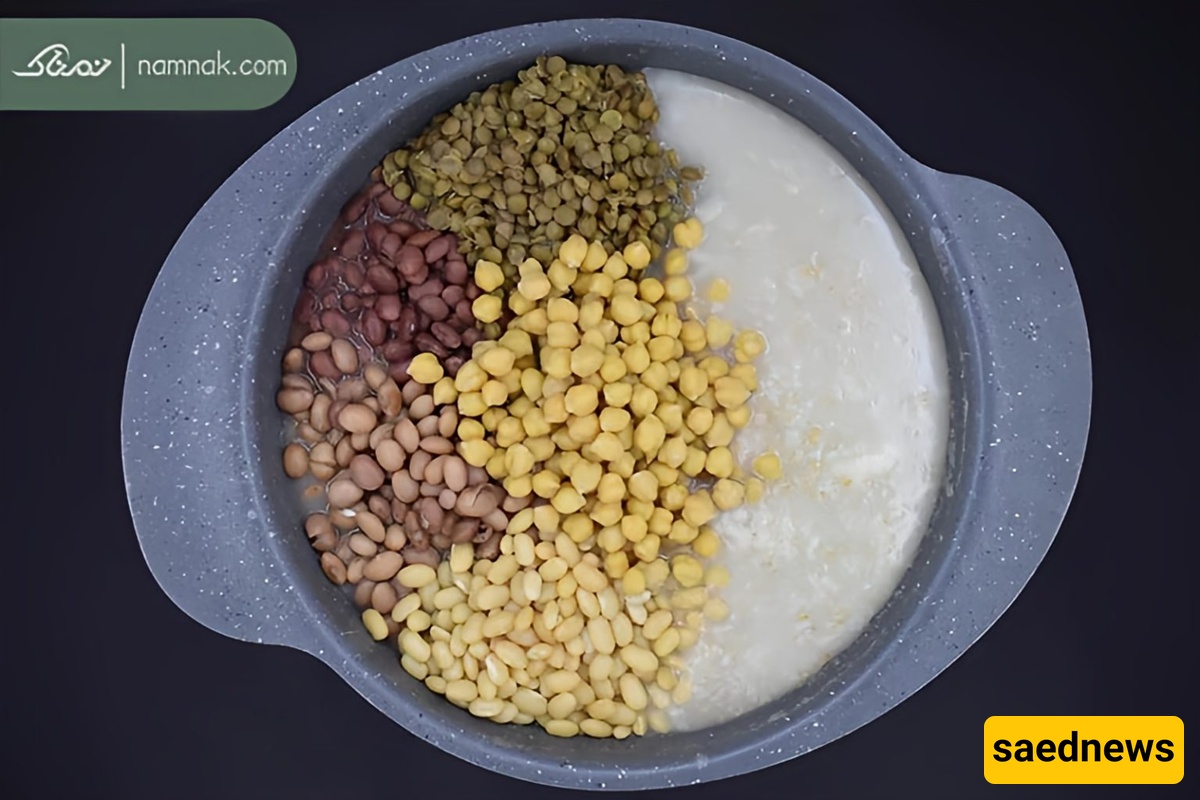
Add fried onions to the pot and mix well.
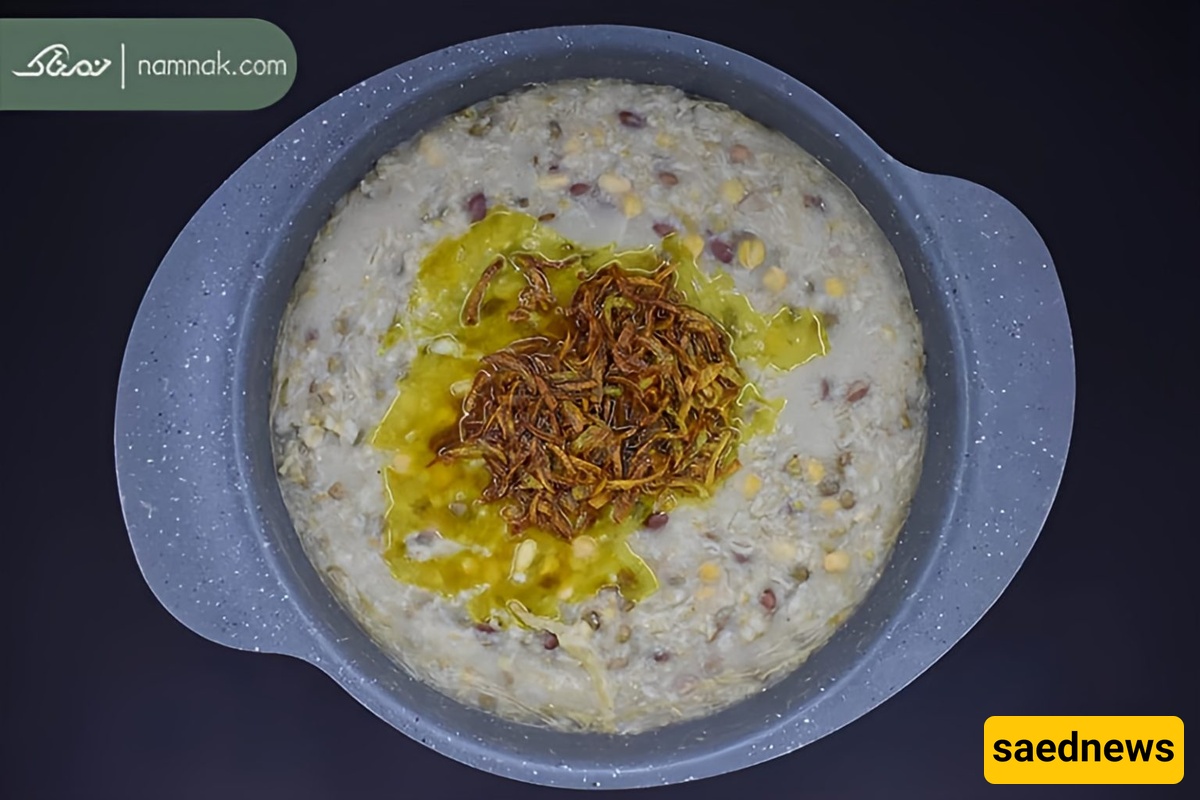
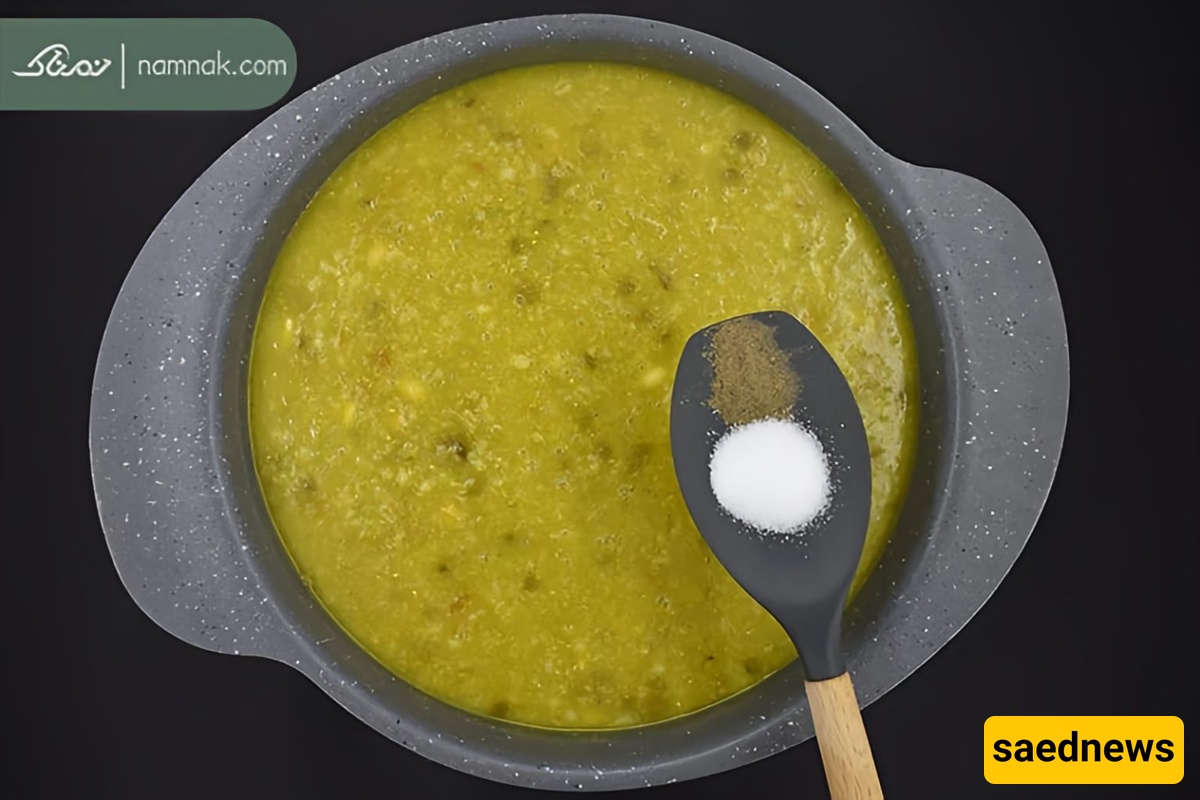
Add salt and pepper. Let the soup simmer until fully thickened and well blended.
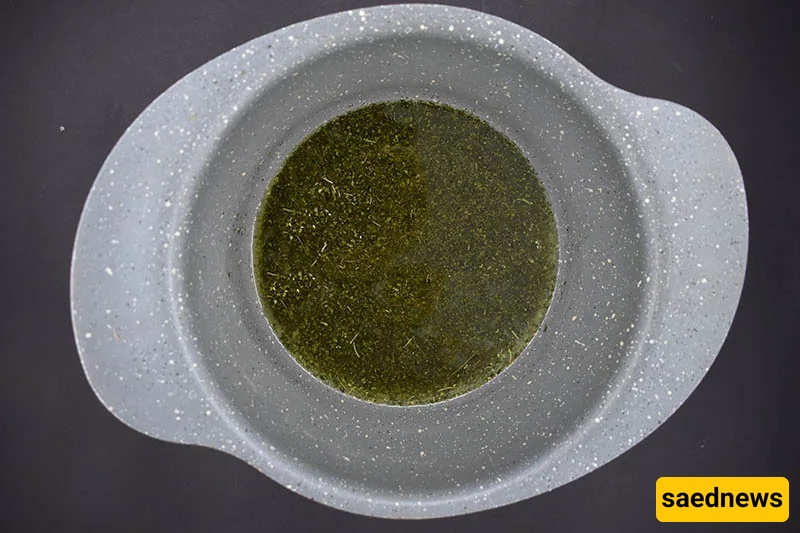
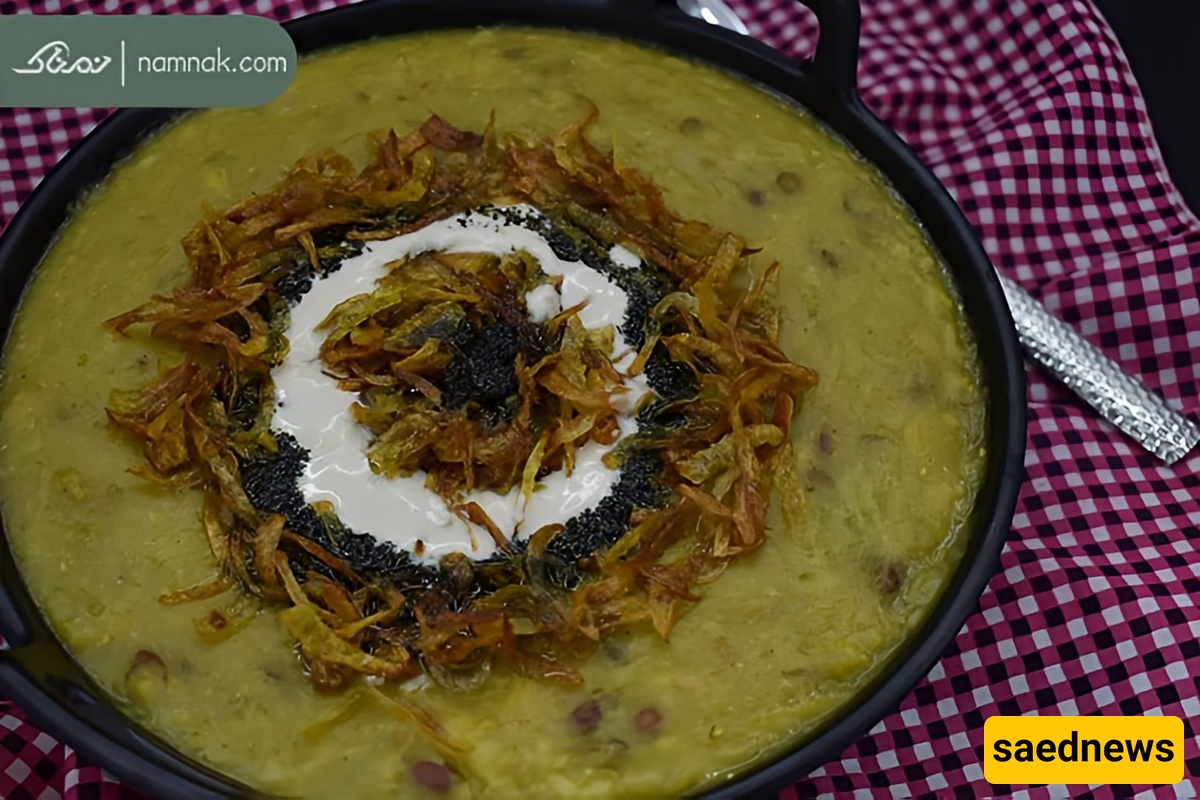
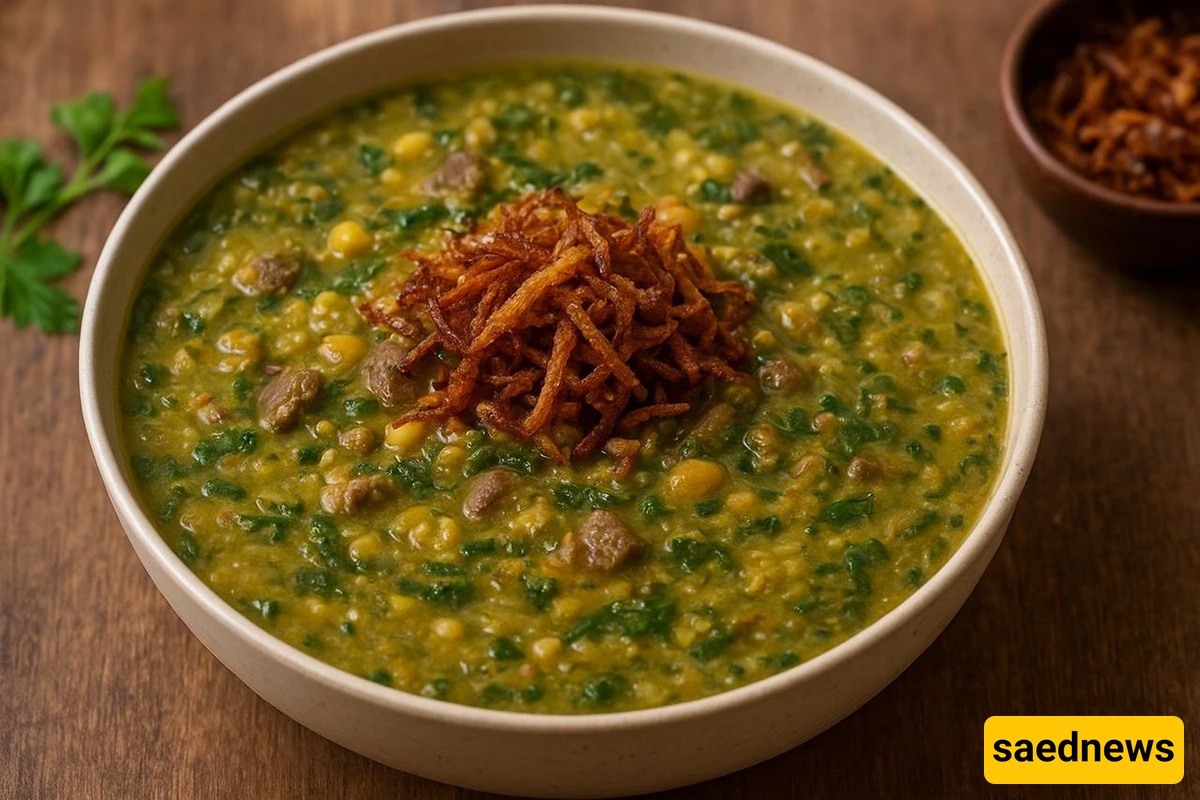
Fry additional onions and prepare mint oil. Once the soup is ready, serve it thick and garnish with:
Kashk (whey)
Fried onions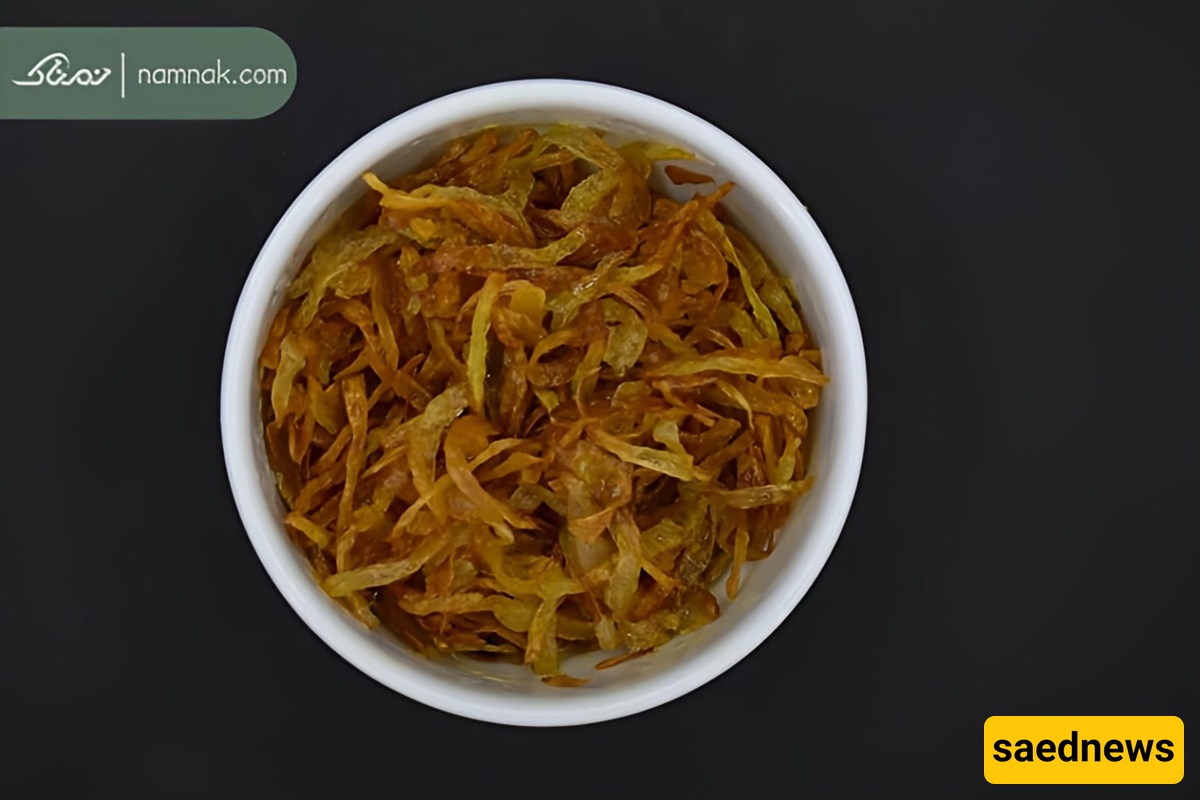
Mint oil
Increase all ingredients proportionally (about double the 8-person recipe). Cooking steps remain the same.
Use approximately:
2–2.5 cups of legumes each
600 g lamb
8 onions
(Procedure remains unchanged)
Use large-scale quantities:
5 cups red beans and pinto beans each
1.4 kg lamb
20 onions
Follow the same cooking method.
Known as Dishliq, it is usually made without vegetables and often includes bone broth, nuts like walnuts and almonds, and sometimes milk or tripe.
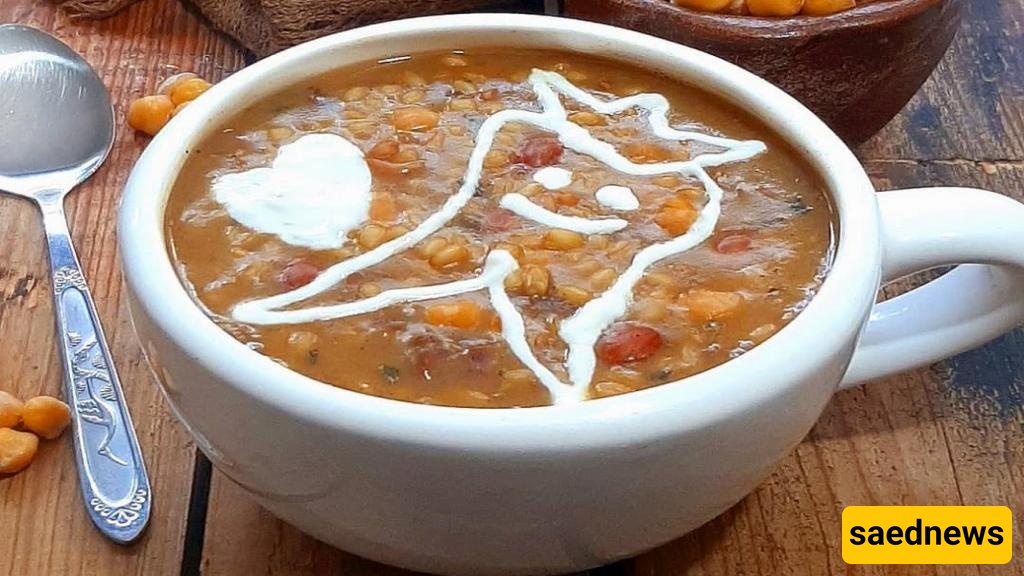
Thick and creamy, made with barley and kashk, resulting in a rich and tangy texture.
Simpler and lighter, mostly wheat-based with legumes and broth, without kashk.
Milder in taste, often made with broth, wheat, nuts, and sometimes milk, usually without kashk.
Use semi-broken rice for better thickening.
Wheat can be replaced with bulgur for faster cooking.
Bone broth significantly improves flavor.
Mash (mung beans) can be added optionally.
The soup should be thick, not watery.
Fry onions in butter for better taste.
Stir frequently to prevent sticking.
No herbs are used except mint for garnish.
Optional toppings include kashk, walnuts, and raisins.
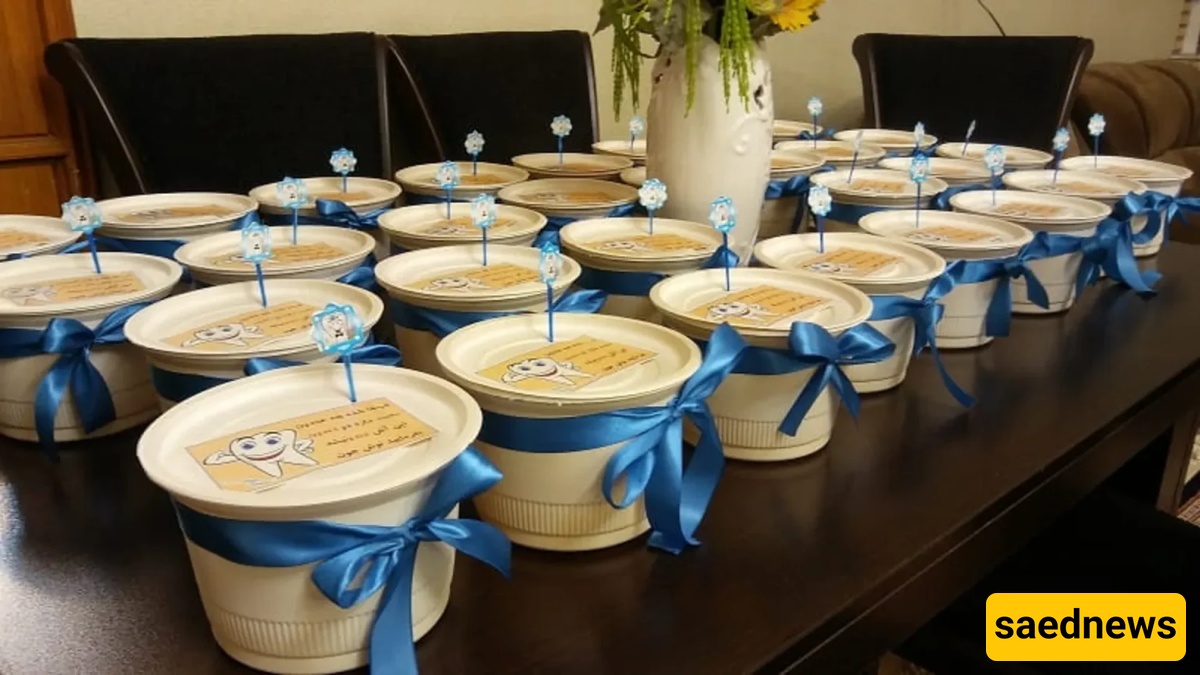
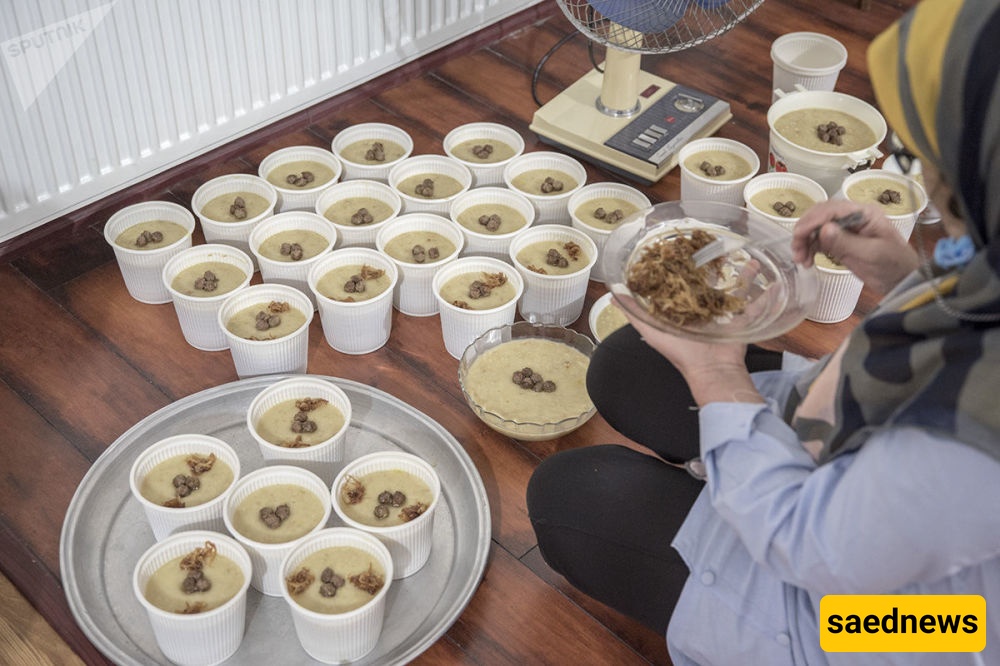
This soup is a symbolic dish served to celebrate a baby’s first tooth. Families gather to express gratitude and joy. Traditionally, it was prepared with seven types of legumes collected from neighbors to bring blessings and abundance.
Approximately 2 hours.
As a snack
As a starter
Suitable for iftar during Ramadan
Ash-e Danduni remains one of Iran’s most meaningful traditional dishes, blending culture, celebration, and nutrition in a single warm bowl.