SAEDNEWS: A paranasal sinus cyst is a common, usually benign condition caused by fluid buildup beneath the sinus lining. Most cysts do not cause symptoms, but larger or infected cysts may lead to headaches, facial pressure, and nasal congestion.
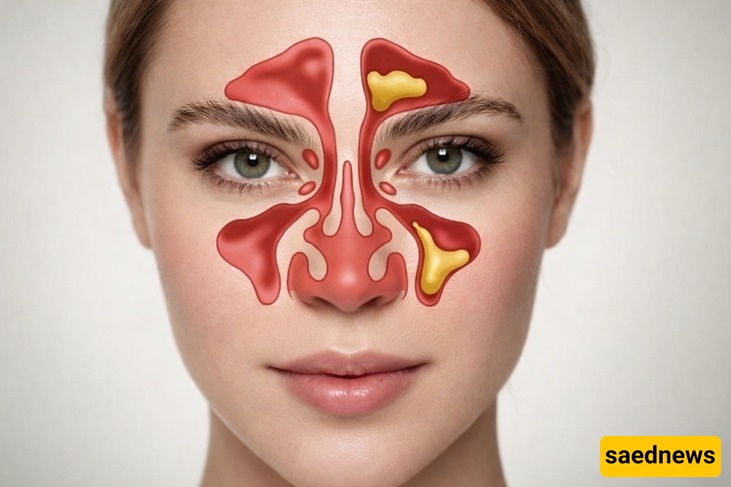
According to Saednews, Sinus cysts are fluid-filled sacs that develop inside the sinus cavities, often as a result of blocked mucus drainage or chronic inflammation. While many sinus cysts remain harmless and cause no symptoms, larger cysts can lead to discomfort, breathing difficulties, and recurring sinus infections. Understanding their causes, symptoms, and treatment options can help prevent complications and improve overall quality of life.
Sinus cysts typically form when the normal drainage pathways of the sinuses become blocked. Several medical and environmental factors can contribute to this condition.
Long-term inflammation of the sinus lining is one of the most common causes of sinus cysts. Viral, bacterial, or fungal infections can cause swelling of the sinus membranes, leading to excessive mucus production. When the drainage channels become blocked, mucus accumulates inside the sinus, increasing the risk of cyst formation. People with chronic sinusitis are particularly susceptible.
Frequent allergic reactions can repeatedly irritate the lining of the nose and sinuses. This persistent inflammation thickens the mucosal tissue and narrows the sinus openings, reducing airflow and preventing normal mucus drainage. Over time, trapped mucus may develop into a sinus cyst.
Certain anatomical conditions can interfere with proper sinus ventilation, including:
Deviated nasal septum
Nasal polyps
Narrow sinus drainage passages
Benign or malignant nasal tumors
These structural problems obstruct normal mucus flow, allowing fluid to collect and potentially form cysts. Diagnosis often requires a physical examination and imaging studies such as CT scans.
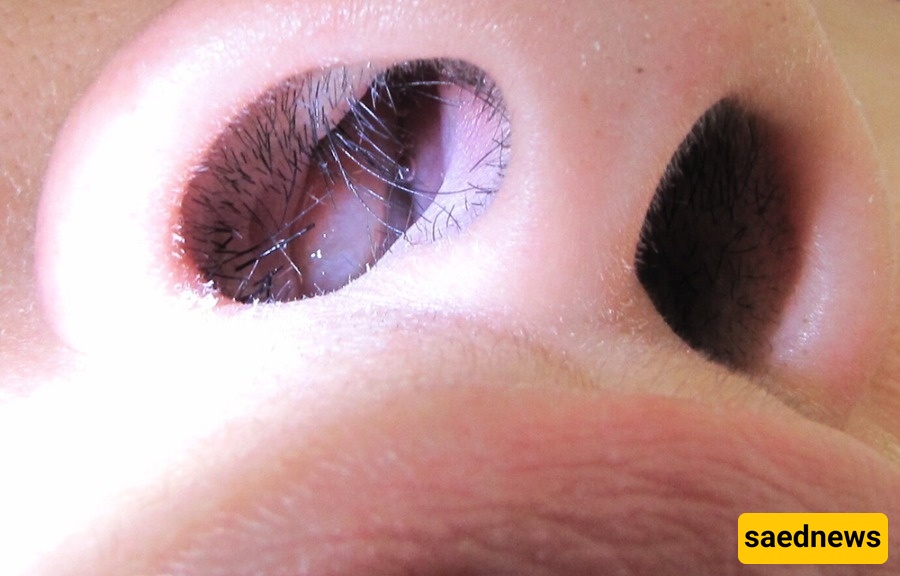
Repeated sinus infections that are not adequately treated can lead to chronic inflammation. Persistent swelling and mucus retention increase the likelihood of cyst development and may result in more severe complications if left untreated.
Several external factors may increase the risk of developing sinus cysts, including:
Exposure to cigarette smoke
Air pollution
Industrial chemicals and irritants
Dry indoor air
Excessive use of nasal sprays
Chronic stress
Poor sleep quality
These factors can damage the protective lining of the nasal passages and weaken the body's natural defense mechanisms.
Small sinus cysts often produce no noticeable symptoms and are frequently discovered incidentally during imaging performed for other reasons. However, larger cysts may cause the following symptoms.
Pressure inside the affected sinus can cause persistent or throbbing pain in the forehead, cheeks, around the eyes, or even the upper teeth. The discomfort often worsens when bending forward or lying down.
A growing cyst may partially block the nasal passages, making breathing through the nose difficult. Persistent congestion can also lead to mouth breathing, dry mouth, bad breath, and nighttime snoring.
If the cyst becomes infected, thick mucus or unpleasant-smelling nasal discharge may occur, indicating active inflammation or infection.
Obstruction of the nasal passages can interfere with the function of the olfactory receptors, causing a temporary or, in some chronic cases, permanent reduction in the sense of smell.
Headaches caused by sinus cysts are usually felt around the forehead, eyes, or nasal area. They may become persistent and interfere with daily activities.
Healthcare providers typically diagnose sinus cysts using:
Medical history and symptom evaluation
Nasal examination
Nasal endoscopy
Computed tomography (CT) scan
Magnetic resonance imaging (MRI) when necessary
These tests help determine the size, location, and possible underlying cause of the cyst.

Treatment depends on the size of the cyst, its cause, and the severity of symptoms.
For inflammation caused by allergies or chronic sinusitis, doctors may recommend:
Intranasal corticosteroid sprays to reduce swelling
Antihistamines for allergy control
Decongestants for temporary relief
Antibiotics if a bacterial infection is confirmed
Medication can often relieve symptoms and reduce inflammation without surgery.
Supportive care can improve comfort and promote sinus drainage, including:
Inhaling warm steam
Using saline nasal irrigation
Drinking plenty of fluids
Maintaining adequate indoor humidity
Avoiding cigarette smoke
Reducing exposure to allergens
These measures are especially helpful for managing chronic sinus inflammation.
When symptoms persist despite medical treatment or when the cyst significantly blocks sinus drainage, endoscopic sinus surgery may be recommended. During this minimally invasive procedure, a surgeon uses a small camera and specialized instruments to open the blocked sinus passages and remove or drain the cyst. This approach relieves pressure, restores normal drainage, and reduces the risk of recurrence.
Recent research suggests that certain advanced therapies may benefit selected patients, including:
Neuromodulation techniques
Low-level laser therapy
Biologic medications for severe inflammatory sinus disease
Although promising, these treatments are generally considered complementary and are reserved for specific clinical situations.
Medical evaluation is recommended if:
Sinus symptoms last longer than 10 days.
You develop a high fever with severe facial pain or swelling.
You experience frequent or recurrent sinus infections.
Your sense of smell suddenly becomes significantly reduced.
Headaches persist despite treatment.
You notice nosebleeds.
You develop vision changes, eye pain, or difficulty moving the eyes.
You have a weakened immune system or chronic medical conditions that increase your risk of complications.
Early diagnosis and appropriate treatment can prevent chronic sinus disease and reduce the likelihood of long-term complications.
Sinus cysts are often benign and may not require treatment if they remain small and symptom-free. However, chronic inflammation, allergies, structural nasal abnormalities, recurrent infections, and environmental factors can contribute to their development. When symptoms become persistent or severe, prompt medical evaluation is essential. Most patients respond well to medications and supportive care, while minimally invasive endoscopic surgery provides an effective solution for cases that do not improve with conservative treatment. Early recognition and appropriate management remain the best strategies for maintaining healthy sinus function and preventing complications.