SAEDNEWS: It is hard to believe, but in the remote village of Rameshk, among its traditional hut-dwelling residents, there was said to be a woman who lived to the age of 140. The elderly woman featured in this report is Lali Nasimi.
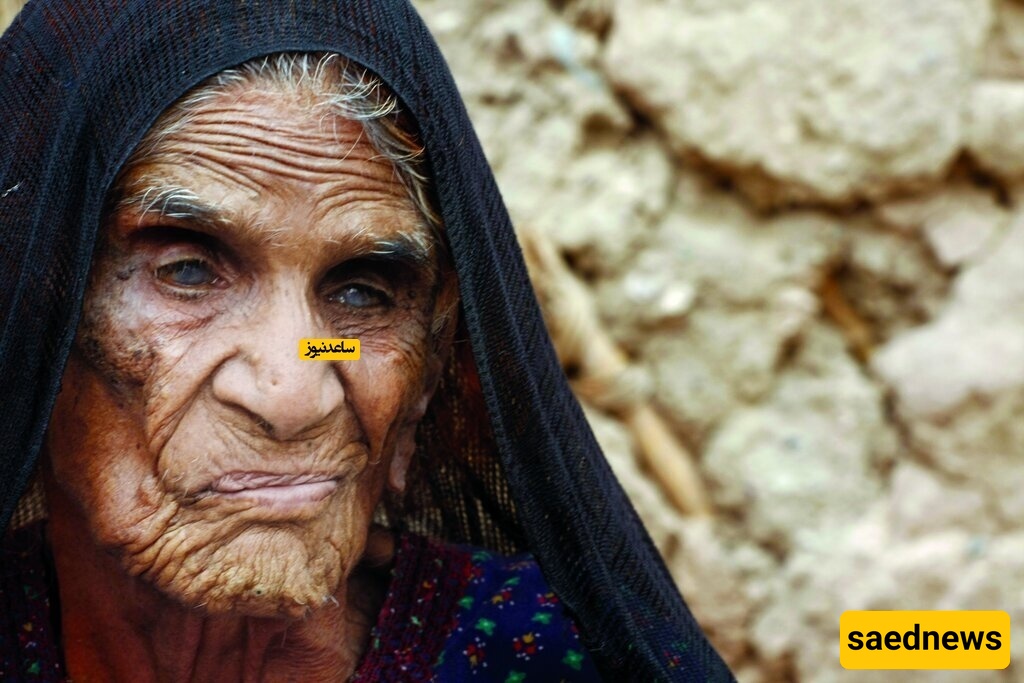
According to Saednews report cited by Hamshahri Online, residents of the remote village of Ramshak in southeastern Iran believe that Lali Nasimi is the oldest person in the country. Local villagers and her 110-year-old daughter claim that she is around 140 years old. While this remarkable age has never been verified by international organizations such as Guinness World Records, the people of the village insist that her extraordinary lifespan is genuine.
Lali's birth certificate was reportedly sent to the civil registration office many years ago for replacement but was lost among old files. Because of her advanced age, she was unable to follow up on the matter herself. Today, the only evidence supporting her claimed age comes from the memories of longtime villagers and local elders who have known her family for decades.
Ramshak is located about 500 kilometers southeast of Kerman. Most of its residents live in traditional huts made from palm materials and have limited access to modern facilities. Despite the hardships, many villagers are known for their long lives. According to local officials and residents, Lali Nasimi is the oldest among them.
She lives with several generations of her family, including her children, grandchildren, and great-grandchildren. Anyone visiting Ramshak would have little difficulty finding her, as nearly everyone in the village knows the woman affectionately called the "Mother of Ramshak."
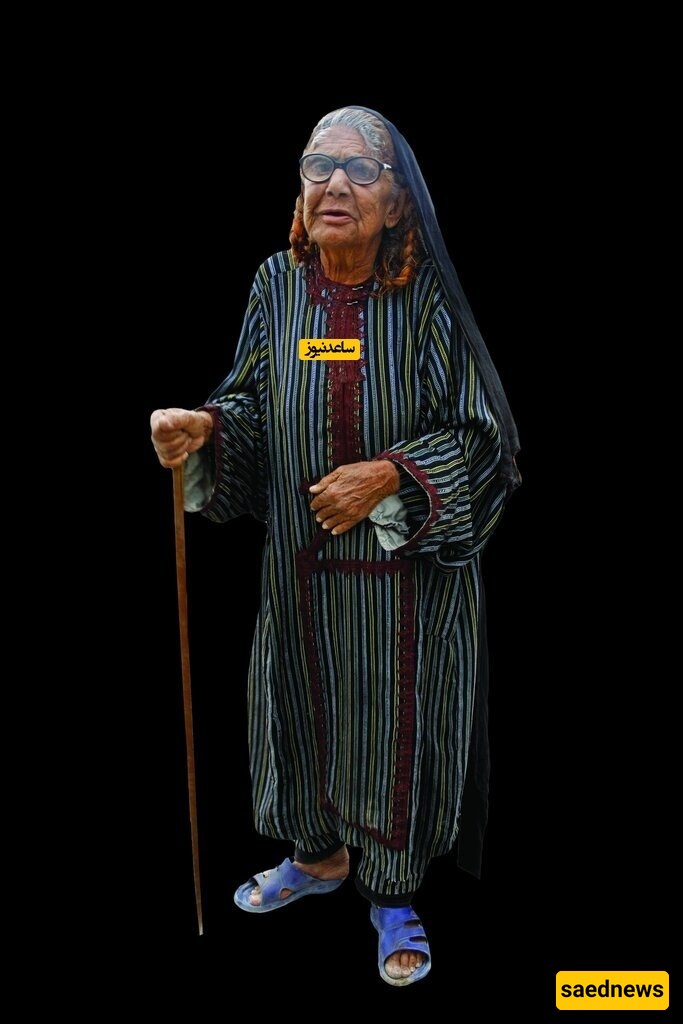
Visitors arriving in the evening are guided through narrow paths lined with simple huts before reaching Lali's home, a small compound consisting of four traditional huts and a mud-brick room enclosed by palm fences.
Lali is usually found sitting outside her hut with a walking stick while her grandchildren play nearby. At first, her family expresses frustration with reporters, saying many journalists have visited over the years, taken photographs, and left without bringing any meaningful improvements to the family's difficult living conditions. After reassurance that their concerns would also be shared, they agree to allow the interview.
Lali recalls spending her youth working tirelessly. During the era of local feudal rule, she cared for one of the local landlord's children, raising him until adulthood. Besides childcare, she earned a living weaving mats and working in agricultural fields.
She remembers growing dates, tobacco, and corn, working alongside men despite the demanding labor. Around forty years ago, she lost her eyesight due to illness and the lack of medical facilities. Since then, she has depended on her son and grandchildren for support, although employment opportunities remain scarce in the village, forcing many younger family members to seek work in nearby cities such as Bandar Abbas.
Lali married twice during her lifetime, but both husbands passed away. She has two children—a daughter named Mahak and a son named Behrouz.
Her son, Behrouz Behrouzpour, is now around 80 years old, while her daughter Mahak is said to be approximately 110 years old. Over the years, the family has grown to include dozens of grandchildren and great-grandchildren. Despite her blindness and age, Lali and Mahak remain close companions.
One of Lali's greatest wishes today is to recover her lost birth certificate.
She fondly remembers the customs of earlier generations, when girls married at a young age. According to her, every bride in the village received a standard dowry. Her own marriage settlement included 12 date palm trees and 100 plots of farmland. Families valued good health and the ability to provide for a household more than wealth or status.
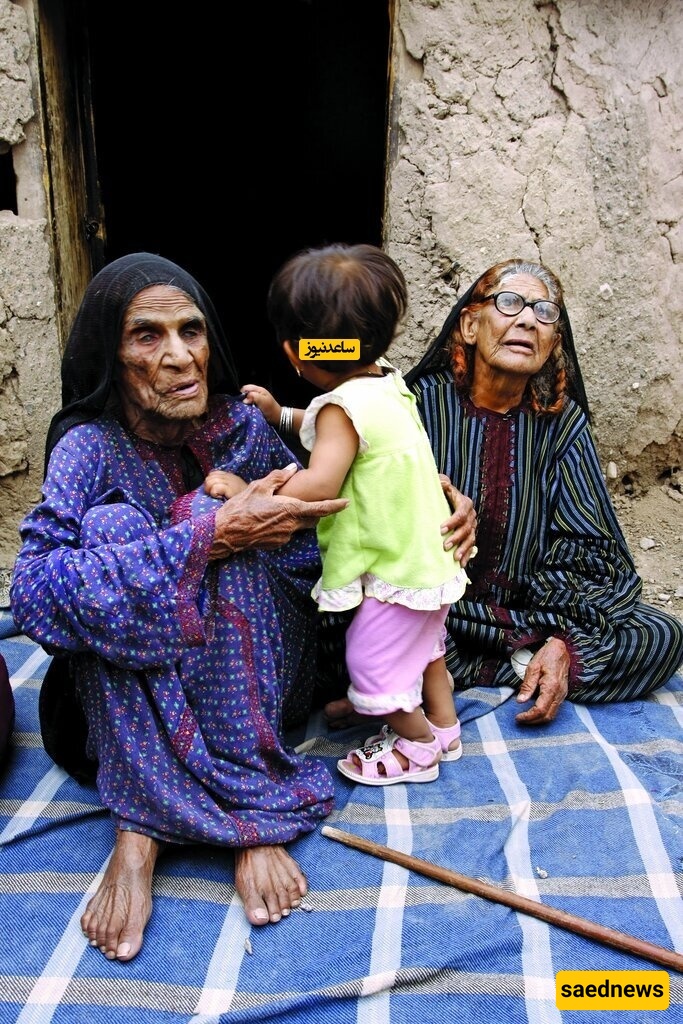
Even at her advanced age, Lali follows a strict daily routine.
She wakes around 3:30 each morning, performs her prayers, and begins her day. Before losing her eyesight, she spent much of her time weaving mats. Now she often sits outside her home reflecting on old memories or takes short walks with assistance from her grandchildren.
Because she rises early, she also goes to bed shortly after the evening prayer.
Lali believes her long life comes from two simple habits:
Waking up before dawn every day.
Eating a modest diet consisting mainly of bread, dairy products, and dates.
Her family also shares an unusual story: Lali has almost never traveled by motor vehicle. On one occasion, relatives attempted to take her by car to another village, but she became so uncomfortable that they abandoned the journey and returned her home by donkey.
As evening falls over Ramshak, visitors prepare to leave before darkness covers the rural roads. Lali also gets ready for bed after her evening prayers.
Before saying goodbye, she gently reminds her guests of her one remaining hope—that someone will help restore her lost identity documents. She bids them farewell with a warm smile, leaving behind the image of a woman whose life, whether 140 years or somewhat less, reflects resilience, simplicity, and the enduring traditions of rural Iran.