SAEDNEWS: Some individuals may seek relief from pain in the genital area, while others choose labiaplasty for aesthetic reasons and to improve the appearance of the vagina. In some cases, sexual activity and childbirth can alter the shape of the vaginal area. Labiaplasty is a surgical procedure performed to change the shape and size of the labia.
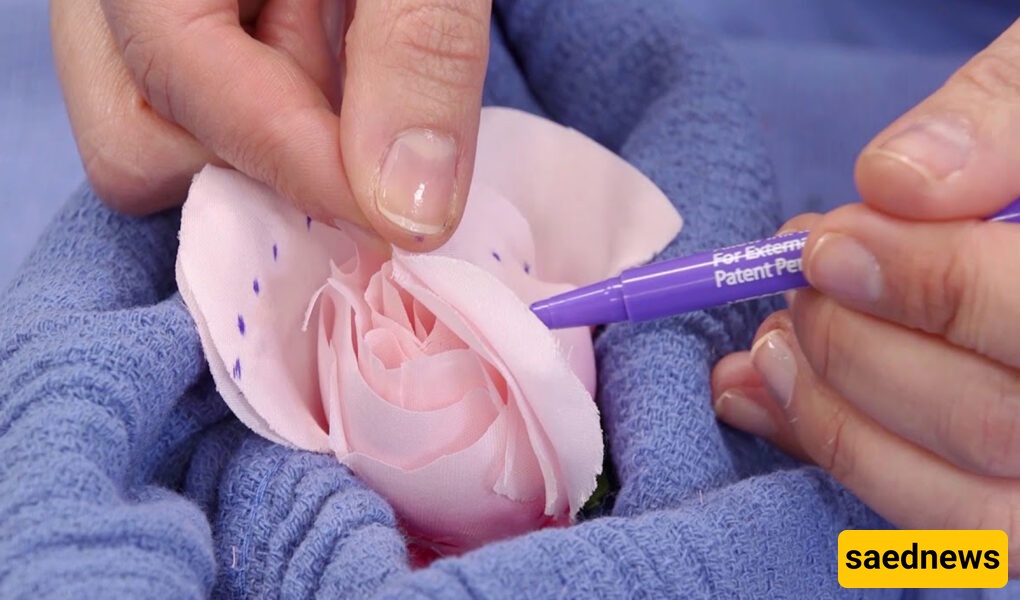
According to Saed News and quoted from Nabz-e Ma, labiaplasty is a cosmetic surgical procedure performed on the labia (the folds around the vagina) to create symmetry between them. It can be performed alone or in combination with vaginoplasty.
Various procedures are used for vaginal rejuvenation, reconstruction, and aesthetic improvement, including:
Monsplasty
Vaginoplasty
Hymenoplasty
Labiaplasty
G-spot augmentation
Clitoral hood reduction
Frenuloplasty
Perineoplasty
Combination treatments of the above
Some individuals hope these surgeries may improve sexual satisfaction, but sexual desire is not related to the size of the labia minora.
Labiaplasty is a reconstructive cosmetic surgery aimed at reshaping the labia minora (inner lips), labia majora (outer lips), or both, which surround the vaginal opening and clitoral area. The outer labia form the external area around the vagina.
The vaginal opening and labia may become stretched or asymmetrical due to sexual activity, childbirth, genetics, or aging. Wrinkling and asymmetry in the genital area is normal and is not caused by masturbation.
There is no strict age limit for labiaplasty. Suitable candidates are women who have enlarged or asymmetrical labia and feel dissatisfied with their appearance.
Large labia may cause discomfort during intercourse, exercise, or even while wearing tight clothing such as jeans. Healthy adult women are generally suitable candidates. However, the surgery is not intended primarily to increase sexual pleasure.
If the goal is to improve sexual satisfaction, patients should consult their surgeon about other procedures such as vaginal rejuvenation, vaginal tightening, or non-surgical methods. Some specialists believe these procedures may enhance sexual experience, but labiaplasty itself is not designed for this purpose.
According to the American College of Obstetricians and Gynecologists, risks may outweigh benefits in some cosmetic genital surgeries. Possible complications include:
Infection
Bleeding
Temporary numbness
Asymmetry
Pigmentation changes
Reduced sensation
Pain
Excess scar tissue
Hematoma
Skin wrinkling
Sexual dysfunction
Temporary swelling and sensitivity during intercourse
Patients are advised to:
Stop smoking and alcohol at least one week before surgery
Avoid medications such as aspirin, NSAIDs, and blood thinners
Avoid certain supplements (vitamin E, omega-3, green tea, ginkgo biloba)
Avoid sexual intercourse the night before surgery
Labiaplasty is usually an outpatient procedure performed under local anesthesia and takes about two hours.
Excess labial tissue is trimmed using surgical scissors or laser, depending on individual anatomy. Dissolvable sutures are then used. In some cases, liposuction may also be performed on the outer labia.
Common techniques include:
1. Resection Technique
Direct removal of excess labial tissue, often used to reduce the inner labia.
2. Wedge Technique
A wedge-shaped section of tissue is removed while preserving the natural edge. Excessive removal can complicate healing. Z-shaped or zig-zag incisions may be used to reduce scarring.
3. Central Resection Technique
Removal of central tissue while preserving surrounding structures, requiring high surgical precision.
Some non-invasive methods are also used for vaginal rejuvenation, although demand for surgical and laser procedures remains higher.
After surgery, patients are advised to:
Use stool softeners to avoid strain
Take multivitamins for several months
Maintain hydration and consume fiber-rich foods
Avoid constipation with appropriate diet and medication
Sexual intercourse should be avoided for at least 4–6 weeks. This restriction does not indicate a decrease in libido, and labiaplasty does not directly affect sexual desire.
Avoid sexual activity for about one month
Expect swelling, bruising, and sensitivity for several weeks
Use painkillers and antibiotics as prescribed
Avoid heavy exercise for several weeks
No tampon use for about 10 days
Keep the area clean and dry
Avoid baths and swimming; prefer short showers
Rest and avoid sitting pressure on the surgical area
Avoid smoking for at least 8 weeks
Avoid cycling and horseback riding
Pain is expected after surgery and can be managed with prescribed medication and cold compresses. A sterile pad may help reduce friction.
The procedure typically lasts about one hour. Costs vary depending on the clinic and technique used.
Most patients are observed for one day after surgery for pain and recovery monitoring.
Wound reopening
Hematoma
Chronic pain
Visible scarring
Infection
Need for revision surgery
Fistula formation
Labiaplasty does not damage the hymen.