Saed News: Scientists have identified the world’s first and only poisonous bird, known as the “Hooded Pitohui,” which stores toxins in its internal organs.
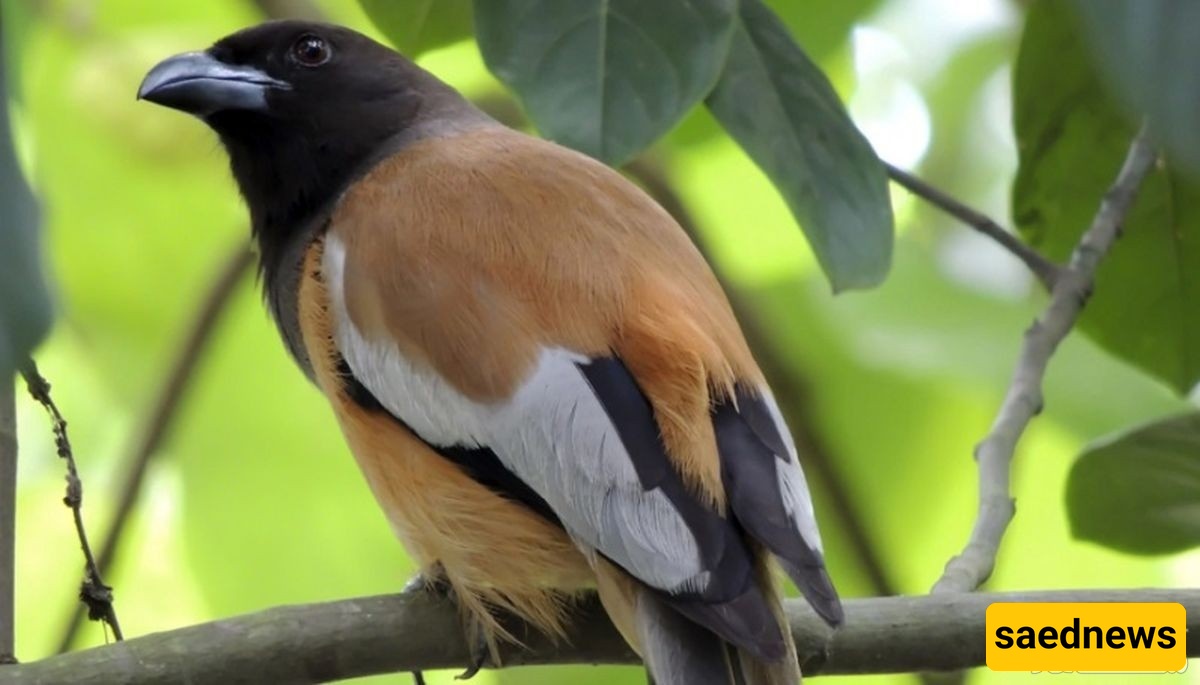
According to SAEDNEWS, quoting Bitoteh, when we think of poisonous animals, we usually imagine spiders, snakes, and similar creatures. However, what you may not know is that birds can also be toxic, although such species are extremely rare. In fact, they are so rare that the “Hooded Pitohui” is considered the first scientifically confirmed poisonous bird in the world.
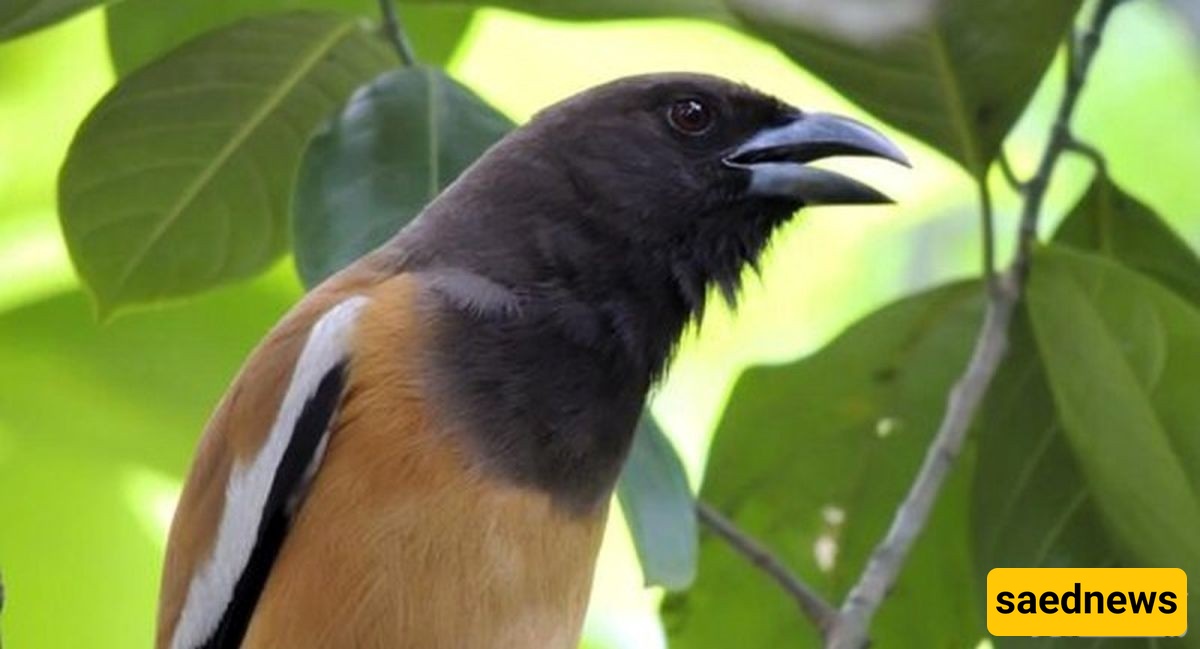
The Hooded Pitohui stores a type of toxin called “neurotoxin” in its internal organs to use when necessary. The local people of Melanesia and Papua New Guinea have long known that the Hooded Pitohui is somehow poisonous, but scientists had no evidence until a bird researcher accidentally encountered this species.
The Hooded Pitohui contains a neurotoxin
Bird researcher Chuck Dumbacher and his team had captured several Hooded Pitohuis during field expeditions. These birds scratched the nets and tried to escape. While collecting the nets, Dumbacher accidentally put his finger in his mouth and noticed that his tongue and lips quickly became numb. Then his mouth began to burn painfully for hours. He later suspected that these birds might be poisonous.
To test his hypothesis, Dumbacher placed a feather from a Pitohui in his mouth, and the same symptoms quickly appeared again. His mouth went numb, followed by spreading pain. From that moment, he became certain of the bird’s toxicity and continued his research. He also learned from local people that the bird is poisonous.
People in New Guinea call the Pitohui the “garbage bird” because it emits a very bad smell when cooked. Further studies revealed that it contains batrachotoxin in its feathers, body, and internal organs.
Batrachotoxin is also found in other creatures such as poison frogs and even in beetles that Pitohuis eat. Scientists still do not fully understand how the bird’s body handles the toxin, but they believe it likely accumulates it through its diet of toxic animals.
Researchers continue to investigate how this bird stores or possibly produces such a toxin.