SAEDNEWS: Archaeologists have recently discovered an 8,600-year-old piece of bread at the prehistoric settlement of Çatalhöyük in central Turkey. The remarkable find offers new insights into early food production and daily life in one of the world's oldest farming communities.
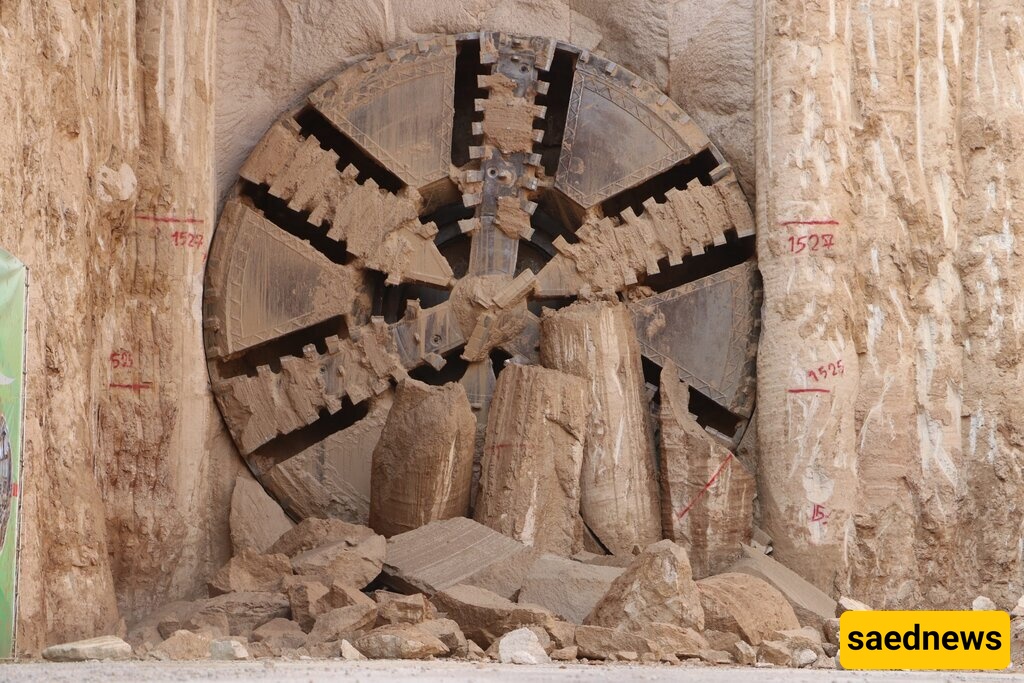
According to Saednews, Archaeologists have identified what may be the world's oldest known leavened bread at the ancient settlement of Çatalhöyük in central Anatolia, Turkey. The remarkable discovery, dating back approximately 8,600 years, offers new insight into the origins of bread-making and early human civilization.
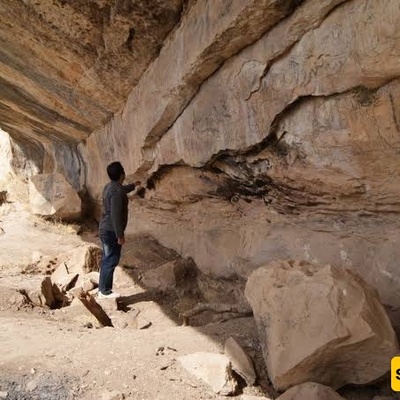
Çatalhöyük, one of the earliest known urban settlements, was established around 9,000 years ago. The site consisted of densely packed mudbrick houses decorated with symbolic artwork and is believed to have been home to nearly 8,000 people, making it one of the largest settlements of its era—larger than a typical village but smaller than a modern city.
During excavations in 2021, archaeologists uncovered a furnace-like structure known as "Space 66." Around the partially destroyed oven, they found remains of wheat, barley, peas, and another organic substance that appeared to be food. Laboratory analysis later confirmed that the sponge-like material was the remains of a fermented loaf of bread dating to around 6600 BCE (about 8,600 years ago).
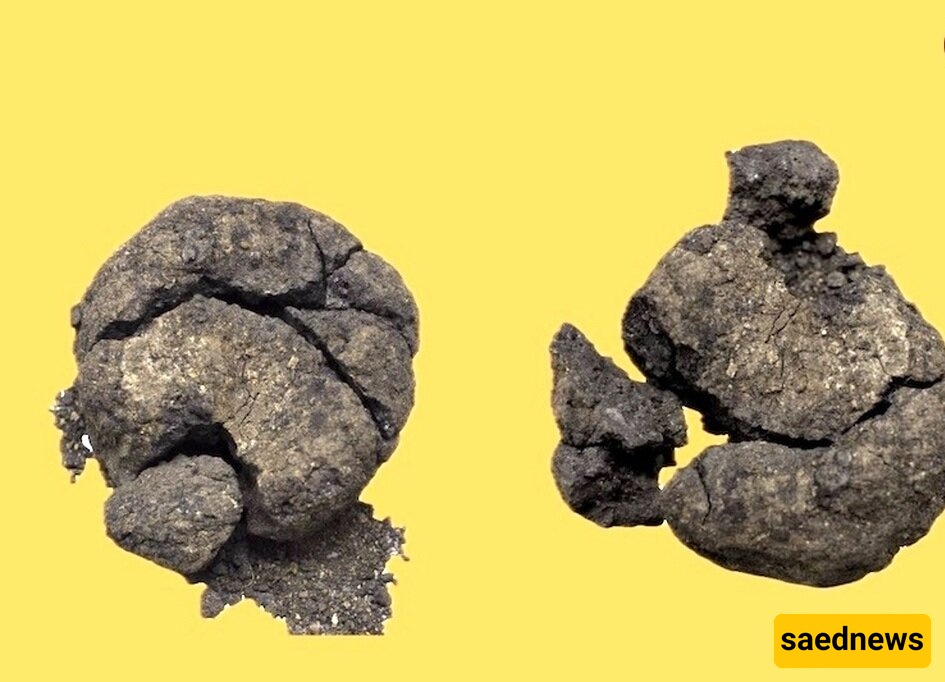
Ali Umut Türkcan, head of the excavation team, said the discovery is unlike the structures, monuments, and artifacts typically associated with archaeology. Instead, it represents an exceptionally well-preserved example of prehistoric food.
Türkcan explained that modern archaeology increasingly includes the study of ancient food remains and emphasized that Anatolia is becoming recognized as a key region for food archaeology. He noted that the organic remains discovered in 2021 were identified through highly precise scientific methods.
Detailed examination revealed that the small, round, sponge-like object found in the corner of the oven was bread. According to Türkcan, the oven had been sealed with a thin layer of clay, creating conditions that preserved organic materials such as wood and bread for thousands of years. Radiocarbon testing conducted at the Marmara Research Center dated the sample to approximately 6600 BCE.
Previously, the earliest known evidence of leavened bread came from Ancient Egypt. However, the Çatalhöyük discovery predates those examples, potentially making it the oldest known leavened bread ever found.
Researchers also noted that the bread contains a finger-sized hollow in its center. Although it was never baked, it had already undergone fermentation, allowing its starch-rich structure to survive for millennia.
Çatalhöyük has long been recognized for its importance in understanding early human societies. In 2012, the archaeological site was inscribed on the UNESCO World Heritage List for its outstanding cultural