SAEDNEWS: President Donald Trump has ordered the U.S. Navy to move away from the advanced electromagnetic system used to launch aircraft from newer carriers and return to traditional steam-powered catapults. The shift could carry a multibillion-dollar cost for the Navy.
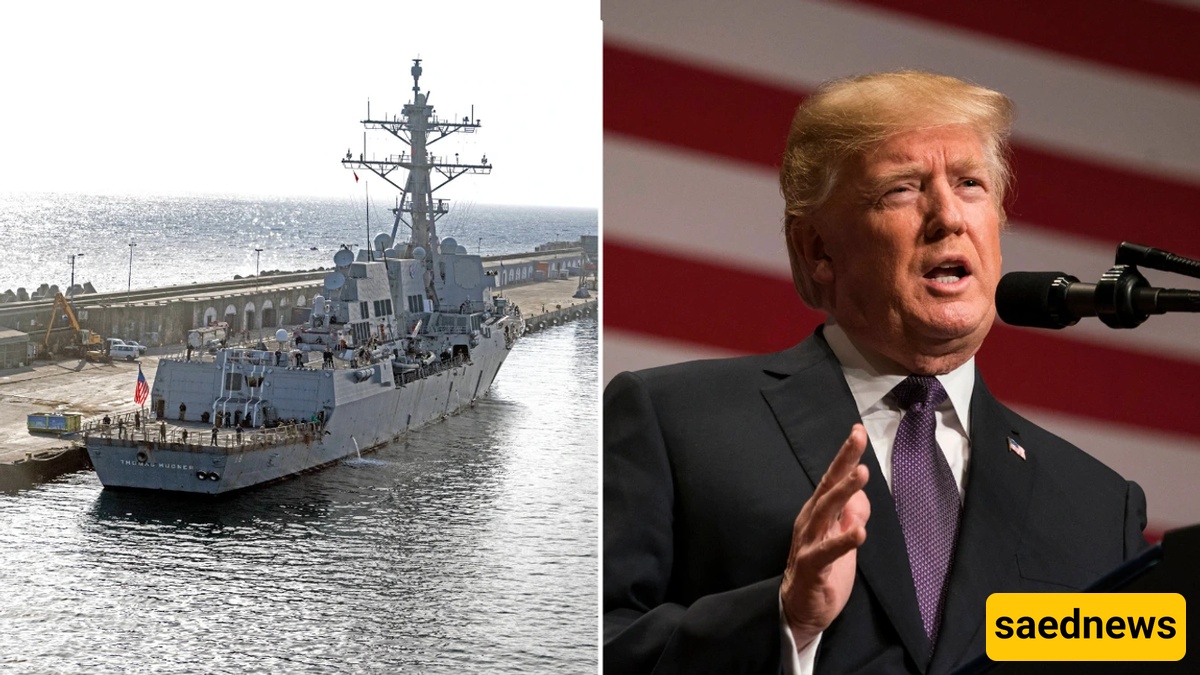
According to SaedNews: America’s newest aircraft carriers are at the center of an unexpected technology reversal after President Donald Trump directed the U.S. Navy to move away from an advanced electromagnetic aircraft-launch system and return to the older steam-powered catapults used on previous generations of carriers.
The decision puts a highly visible piece of U.S. military technology back under scrutiny and could force the Navy to absorb costs running into billions of dollars.
The directive was issued on Thursday, marking a significant turn in a debate that Trump has been involved in for years. His opposition to the newer electromagnetic launch technology is not new. His criticism of the system dates back at least to 2017, and the issue has repeatedly featured in his comments about America’s aircraft carriers.
Now, that longstanding criticism has translated into an official policy direction.
The technology at the heart of the dispute is the electromagnetic aircraft launch system installed on newer U.S. carriers. Instead of relying on steam pressure to propel aircraft from the carrier deck, the newer system uses electromagnetic technology to launch aircraft.
Trump’s directive calls for that approach to be abandoned in favor of traditional steam catapults.
The move is striking because it represents a return to technology that has already been used extensively aboard earlier generations of American aircraft carriers. Rather than continuing exclusively with the newer system, the Navy is now being instructed to reconsider a mechanism that belongs to an older era of carrier aviation.
For the Navy, however, changing course is unlikely to be a simple matter of replacing one piece of equipment with another.
Aircraft carriers are among the most complex military platforms in the world, and their launch systems are deeply integrated into the design and operation of the ships. A decision to move back toward steam technology therefore has implications beyond the catapult itself.
It could also mean significant financial consequences.
The directive is expected to impose a cost of several billion dollars on the U.S. Navy. The scale of that potential expense is one of the most striking aspects of the decision, particularly because the change involves technology that had been selected for newer carrier designs.
That raises an obvious question: why return to an older system after investing in a more advanced one?
Trump’s position has been consistent for years. His opposition to the electromagnetic system has been publicly evident since at least 2017, making the latest directive less of a sudden change of opinion than the latest step in a dispute he has repeatedly emphasized.
The decision also highlights a broader tension inside modern military planning: newer technology is not automatically viewed as the better option by every decision-maker.
Advanced systems can promise modern capabilities, but they can also bring complex development requirements, high costs and concerns about implementation. Trump’s directive reflects his preference for returning to a more established technology for aircraft carrier launches.
For the U.S. Navy, the challenge will be turning that political direction into a practical change without creating additional complications for its carrier fleet.
The issue is particularly significant because aircraft carriers represent a major part of American naval power. Their ability to launch and recover aircraft is fundamental to how they operate, making the choice of launch technology a matter with consequences for the broader functioning of the ships.
Yet the source material does not establish that the electromagnetic system will immediately disappear from every U.S. carrier, nor does it indicate that the Navy has already completed a full transition back to steam technology.
What is clear is that Trump has issued a directive seeking a major change in direction.
The timing also gives fresh weight to an argument that has been present for years. Trump’s criticism of the electromagnetic system has survived across multiple years and has remained one of the recurring issues he has raised when discussing U.S. aircraft carriers.
With the latest directive, that criticism has moved from public debate into policy.
The potential multibillion-dollar price tag will likely make the decision even more controversial. Supporters of the shift could view the return to established steam technology as preferable to continuing with a system Trump has long opposed. Critics, however, could focus on the financial burden of changing course after the Navy adopted the newer technology.
At its core, the controversy is about more than steam versus electricity. It is a question about how the world’s most powerful navy should balance established technology against newer systems, and how much it should be willing to spend when changing direction.
Trump has now made his preference clear.
The U.S. Navy has been instructed to look back rather than forward on a key part of aircraft carrier technology. Whether that decision ultimately proves to be a practical correction, an expensive reversal or the beginning of another debate over the future of American naval technology remains to be seen.
For now, one thing is certain: a technology that once symbolized the modernization of America’s newest carriers has become the target of a presidential push to bring back the older system. And with billions of dollars potentially involved, the debate is unlikely to remain confined to the Navy.