SAEDNEWS: Donald Trump says he wants Iran to provide compensation for Americans killed or seriously wounded by roadside bombs, and has instructed U.S. officials to raise the issue in any potential future negotiations. His remarks come amid competing claims over responsibility for the war and damage caused during recent U.S. strikes.
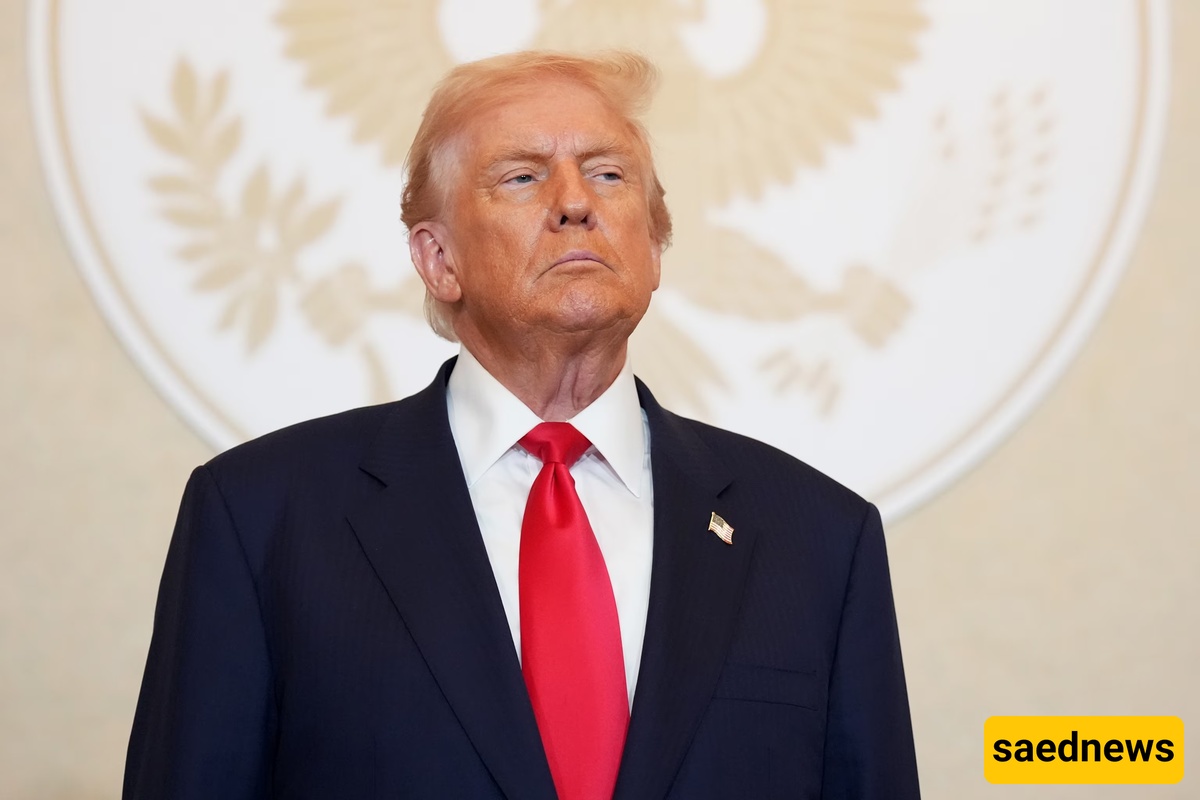
According to SaedNews: Donald Trump has introduced a striking new demand into the debate over any future negotiations with Iran, saying he also wants compensation from Tehran for Americans who were killed or seriously wounded by roadside bombs.
Trump said he had instructed U.S. officials to take the issue into account in any possible future negotiations with Iran. His comments came as Tehran has reportedly sought compensation for losses connected to the war.
The demand immediately places the question of war compensation at the center of a wider dispute over responsibility. While Trump presented the issue from the perspective of American casualties, the Iranian account described in the source argues that the United States was the side that initiated the military confrontation and therefore should bear responsibility for the resulting damages.
Trump said that he wanted compensation for people who had been killed or severely injured by roadside bombs. He offered no further details in the remarks cited in the source about how such compensation would be calculated, how much could be sought, or what legal mechanism would be used to pursue it.
Instead, he indicated that the issue could become part of future negotiations.
That statement is significant because compensation claims can transform a military confrontation into a prolonged political and legal dispute. Once questions about financial responsibility enter negotiations, the discussion can extend beyond military operations to include casualties, infrastructure damage and the broader costs of war.
The source sharply challenges Trump’s position, arguing that the United States itself launched what it describes as a war against Iran and its population under Trump’s orders. From that perspective, the question of compensation is reversed: rather than Iran paying damages, the United States would be expected to compensate Iran for losses caused by military action.
The dispute is particularly sensitive because it comes amid reports concerning the targets and scale of recent U.S. attacks.
The New York Times, according to the source, reported that the recent U.S. campaign was concentrated largely in southern Iran and struck critical infrastructure used by civilians. The source further cites an investigation that found a 2,000-pound bomb—described as one of the most powerful weapons used during the war—had been dropped on a house in a densely populated residential area of the village of Che Tangu.
Those allegations add another dimension to the argument over compensation. If civilian areas and infrastructure were affected by military strikes, questions about the human and material cost of the conflict become central to any discussion about who should bear responsibility.
At the same time, Trump’s comments focus on a different category of casualties. His reference to Americans killed or seriously wounded by roadside bombs reflects his argument that the United States also has losses for which it could seek compensation.
The result is a sharply competing narrative.
Washington, as represented by Trump’s remarks, could seek to place American casualties and losses on the negotiating table. Tehran, according to the source’s account, has demanded compensation for damages resulting from the conflict and maintains that the United States bears responsibility as the party that initiated the attacks.
The disagreement therefore goes beyond the amount of money that might eventually be discussed. It concerns the fundamental question of who is considered responsible for the conflict and its consequences.
Trump’s instruction to U.S. officials means that compensation could potentially become one of the issues raised if negotiations with Iran resume. However, the source provides no indication that a formal compensation process has been agreed upon or that a specific amount has been established.
That uncertainty matters. A demand made publicly by a political leader is not the same as a negotiated settlement, and any future agreement would depend on the positions adopted by both sides.
The controversy is also unfolding against a backdrop of competing accounts of civilian harm. Reports about strikes on residential areas and infrastructure have intensified scrutiny over the consequences of military operations, while Trump’s latest comments put American casualties at the heart of Washington’s argument.
For observers, the emerging dispute could therefore become one of the most contentious elements of any future diplomatic process. Compensation is not merely a financial question. It can also become a symbolic acknowledgment of responsibility for the destruction and casualties associated with a war.
Trump’s latest statement ensures that the issue will be difficult to avoid if talks with Iran eventually take place. Whether it becomes a genuine negotiating demand, a political talking point, or part of a broader dispute over responsibility remains to be seen.
What is clear is that the debate has moved beyond the battlefield. The competing claims now involve casualties, civilian infrastructure, financial losses and, above all, the question of who should ultimately pay for the consequences of war.