SAEDNEWS: Donald Trump has made fresh claims about Iran’s financial situation, saying the United States controls a significant portion of Iranian money and assets while describing Tehran as economically troubled. He also outlined what he called three approaches Washington could use toward Iran.
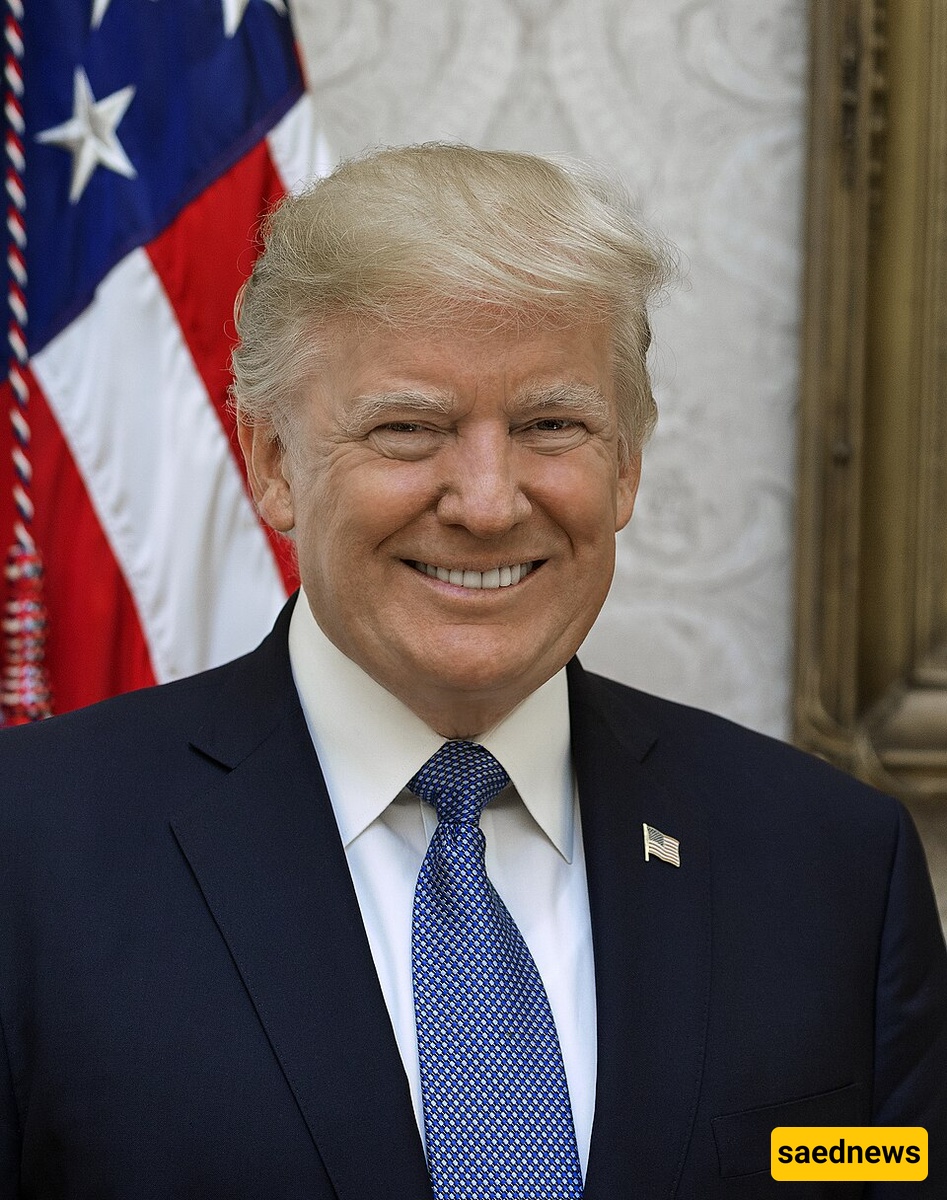
According to SaedNews: Donald Trump has once again put Iran at the center of his public remarks, this time focusing heavily on the country’s economy, access to money and the options he says Washington has available.
In his latest comments, Trump claimed that the United States controls a significant amount of Iranian money and assets, describing them as being under what he characterized as complete American control. The statement was presented without further details in the source material about the specific assets or financial holdings he was referring to.
Trump also painted a bleak picture of Iran’s economic circumstances. He claimed that the country is facing economic disorder and argued that Iran is unable to borrow money.
The remarks add a financial dimension to Trump’s continuing rhetoric about how the United States could deal with Iran. Rather than focusing on a single course of action, he described three separate strategies that Washington could pursue.
According to Trump, the first option is to monitor how severe Iran’s situation becomes. The second involves what he described as delivering a severe blow to the country. The third is economic pressure.
The three-part description is notable because it places observation, direct pressure and economic measures alongside one another. Trump did not provide further detail in the source material about how each strategy would be implemented, or under what circumstances Washington would move from one approach to another.
His comments also come against the backdrop of his broader claims about Iran’s economic condition. By emphasizing Tehran’s alleged inability to borrow money and the level of financial pressure facing the country, Trump presented economic weakness as an important part of his assessment.
One of the most striking elements of the remarks was his claim that Washington controls a large share of Iranian funds and assets. The assertion represents a significant claim about the extent of US influence over Iranian financial resources, although the source does not provide additional evidence or figures to establish precisely what Trump meant.
That distinction is important. The statements should be understood as claims made by Trump rather than independently verified facts. The source material does not provide supporting documentation concerning the amount of Iranian assets allegedly under US control, nor does it detail Iran’s current borrowing capacity.
Trump nevertheless used the comments to reinforce a broader message: Washington believes it has multiple tools at its disposal when dealing with Iran.
The first of those tools, as Trump described it, is simply watching the situation develop. Monitoring the severity of Iran’s circumstances would allow Washington to assess how the country’s economic and broader conditions evolve.
The second is considerably more forceful. Trump referred to the possibility of striking Iran hard, though the source does not explain what specific action that phrase represents. The third strategy is economic pressure, suggesting that financial measures remain an important element of the approach he described.
Together, the comments portray a policy framework built around keeping close watch on Iran while maintaining the possibility of stronger action and economic pressure.
For Iran, the economic claims are particularly significant because they focus attention on access to financing and the availability of financial resources. Trump’s assertion that Tehran cannot borrow money presents the country’s economic situation as a central vulnerability.
At the same time, his claim regarding Iranian assets raises another question: exactly what financial resources does Washington believe it can control, and how extensive is that control? The source material does not answer that question.
What is clear from Trump’s remarks is that he wanted to emphasize American leverage. His comments did not describe a single fixed response to Iran but instead pointed to several possible paths, ranging from observation to economic pressure and more forceful measures.
That leaves the next steps open to interpretation. Trump’s three-part description provides a broad outline, but without additional details it remains unclear how Washington would prioritize the options or what developments would trigger a change in strategy.
The remarks are therefore likely to keep attention focused on both Iran’s economic situation and the question of what Trump intends to do next. Whether his claims about Iranian assets, borrowing capacity and the severity of the country’s economic problems will be supported by further details remains an important point to watch.
For now, Trump’s message is unmistakable in one respect: he sees economic pressure as a major instrument in dealing with Iran and says Washington has more than one option available. The question is how those options might translate into actual policy—and what consequences they could have for the wider confrontation between Washington and Tehran.