SAEDNEWS: An Israeli Hebrew-language analysis says Iran believes time is working in its favor in the confrontation over the Strait of Hormuz, with pressure on fuel prices and the United States potentially forcing the Trump administration to respond to Tehran’s demands.
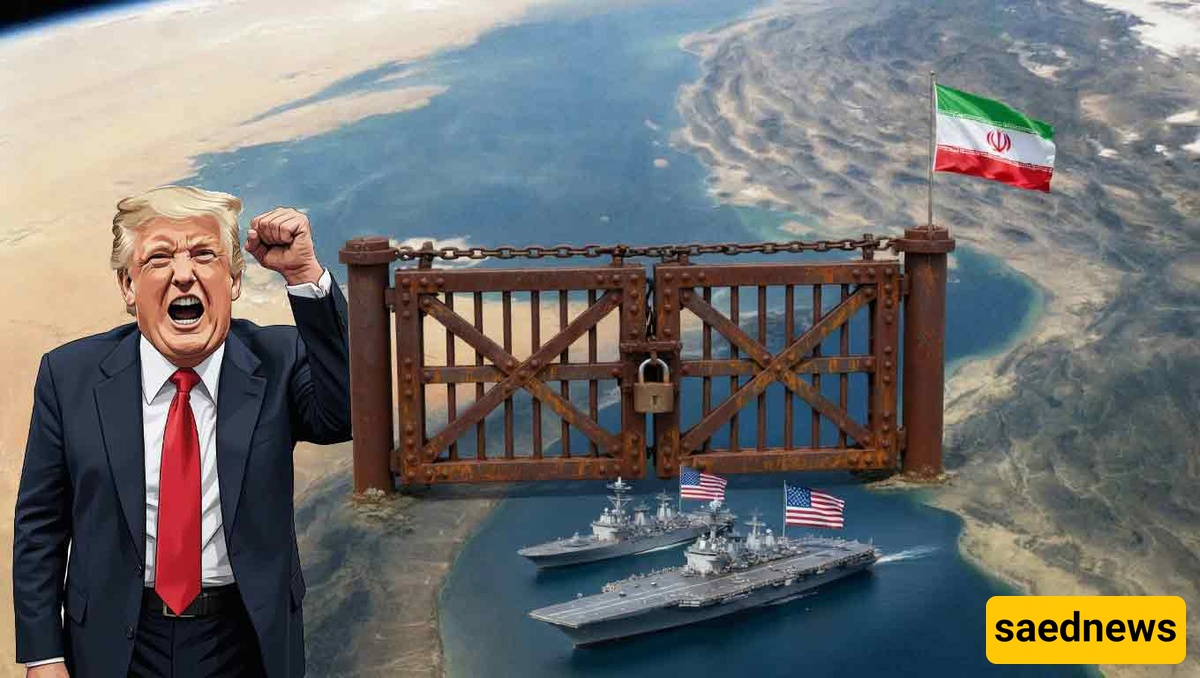
According to SaedNews: A new analysis published Monday by the Hebrew-language Israeli news and analysis outlet Buhal portrays Iran as increasingly confident that the passage of time could strengthen its position in the confrontation surrounding the Strait of Hormuz.
The central argument of the analysis is striking: Tehran reportedly believes it can use the strategic importance of the waterway, combined with mounting military and economic pressure on the Trump administration, to push Washington toward accepting Iranian demands over control of the vital strait.
The assessment does not describe the situation as a simple dispute over a maritime passage. Instead, it presents the confrontation as a broader test of strategic endurance, in which each side is effectively waiting to see who will feel greater pressure first.
According to the Israeli report, Iranian decision-makers believe they have an important advantage because time is working in their favor. The longer the standoff continues, the analysis says, the greater the potential impact on global fuel prices could become. That economic pressure, in Tehran’s calculation, could eventually become a factor in Washington’s political and strategic decision-making.
The report says Iran expects the continued closure of the Strait of Hormuz to affect global fuel markets. It argues that Tehran believes such pressure could force the Trump administration to respond to Iranian demands rather than allowing the confrontation to continue indefinitely.
This calculation is presented alongside another element: the condition of the United States’ advanced missile stocks. The Israeli analysis says Iran believes continued pressure could coincide with a reduction in America’s reserves of advanced missiles, potentially adding another layer to Washington’s strategic calculations.
The report also points to domestic political considerations in the United States. According to the analysis, Iran believes that the lack of popularity of war among the American public could make it more difficult for the Trump administration to sustain a prolonged military confrontation.
Taken together, these factors form what the Israeli outlet describes as Tehran’s broader strategic calculation. Iran, according to the report, is not simply waiting for an immediate change in American policy. It is betting that economic pressure, military considerations and domestic political constraints will gradually alter Washington’s options.
That is what makes the Strait of Hormuz central to the analysis.
The waterway is portrayed as more than a geographical location. In the Iranian calculation described by the Israeli media, the confrontation over Hormuz has become a form of strategic deterrence. The objective, as presented in the report, is to create enough pressure that the United States eventually sees withdrawal or accommodation as the more viable option.
The analysis therefore frames the standoff as a contest of endurance. Rather than assuming that the side with greater military power automatically controls the outcome, the report emphasizes the consequences of maintaining pressure over time.
For Tehran, according to this assessment, the calculation is that continued pressure can gradually increase the political and economic costs faced by Washington. If fuel prices remain under pressure and the broader consequences of the Hormuz dispute continue to be felt, Iran believes the balance of the confrontation could shift.
The report’s description of Iranian thinking also suggests that Tehran sees the dispute as an opportunity to reinforce what it considers strategic deterrence. In this view, the issue is not limited to the immediate question of the strait. It is also about demonstrating that pressure against Iran can generate costs for the other side.
That does not mean the outcome is certain. The claims described in the Israeli analysis represent an assessment of Iran’s calculations rather than a confirmed prediction of what Washington will ultimately do.
Still, the argument is significant because it reveals how the confrontation is being interpreted by an Israeli media outlet: as a strategic contest in which Iran believes the passage of time could be one of its most important advantages.
The core question is therefore not simply who has greater military capabilities, but who can withstand the economic, political and strategic consequences of the standoff for longer.
The Strait of Hormuz has consequently become the focal point of a high-stakes calculation. According to the Israeli analysis, Iran believes that maintaining pressure could eventually leave the Trump administration facing a difficult choice: continue absorbing the consequences of the confrontation or respond to Tehran’s demands.
Whether that calculation succeeds remains uncertain. But the analysis makes clear why the dispute over Hormuz has become such a consequential test of strategy and endurance—and why every development surrounding the strait can carry implications far beyond the immediate confrontation.