SAEDNEWS: A Hebrew-language outlet has portrayed Iran’s refusal to reopen the Strait of Hormuz without U.S. concessions as a direct political setback for Donald Trump, even as negotiations involving Oman reportedly make progress.
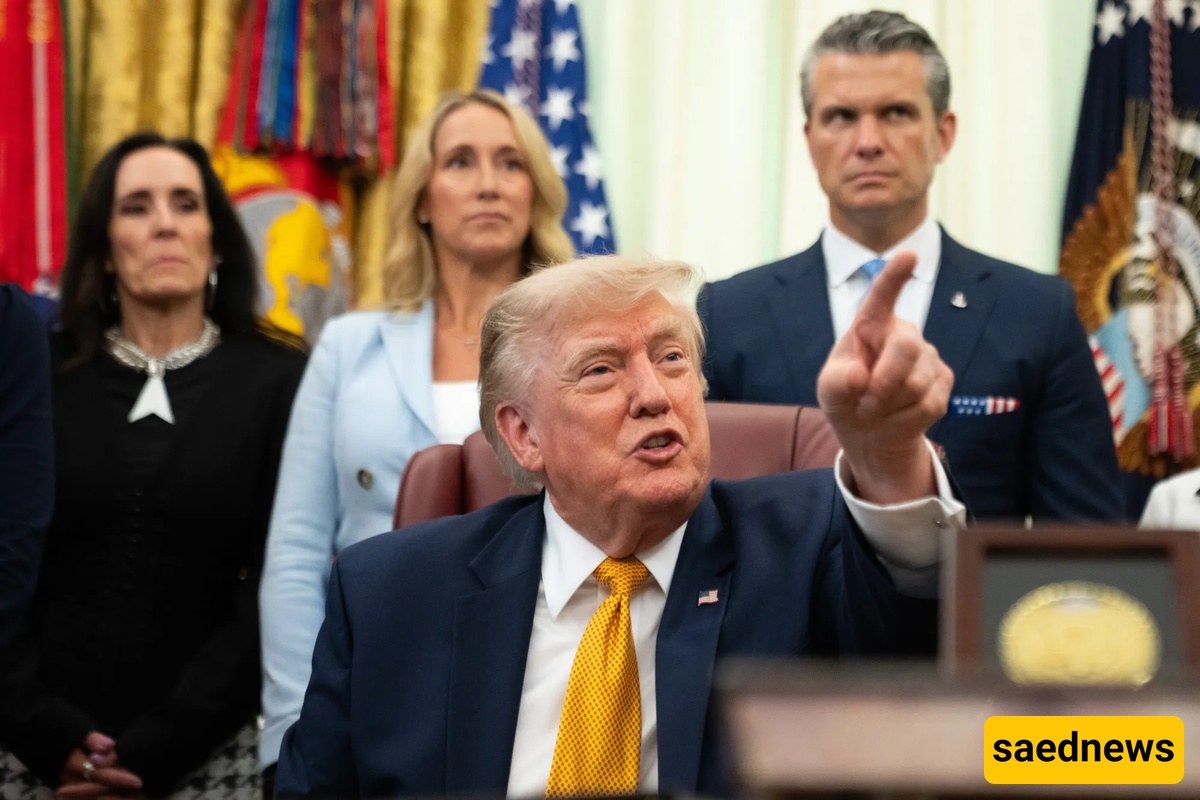
According to SaedNews: Iran’s position on the Strait of Hormuz has drawn unusually sharp attention from Hebrew-language media, with one Israeli outlet describing Tehran’s refusal to reopen the strategic waterway without Washington meeting its demands as a symbolic blow to U.S. President Donald Trump.
The assessment appeared in a commentary published by the Hebrew-language news outlet Srugim. In the piece, writer Gal Yair focused on Iran’s stated conditions for reopening the Strait and argued that Tehran’s position amounts to a direct challenge to Trump.
The central issue is straightforward but politically significant: according to the report, Iranian officials have indicated that the Strait of Hormuz will not be reopened until the United States meets the conditions set by Iran.
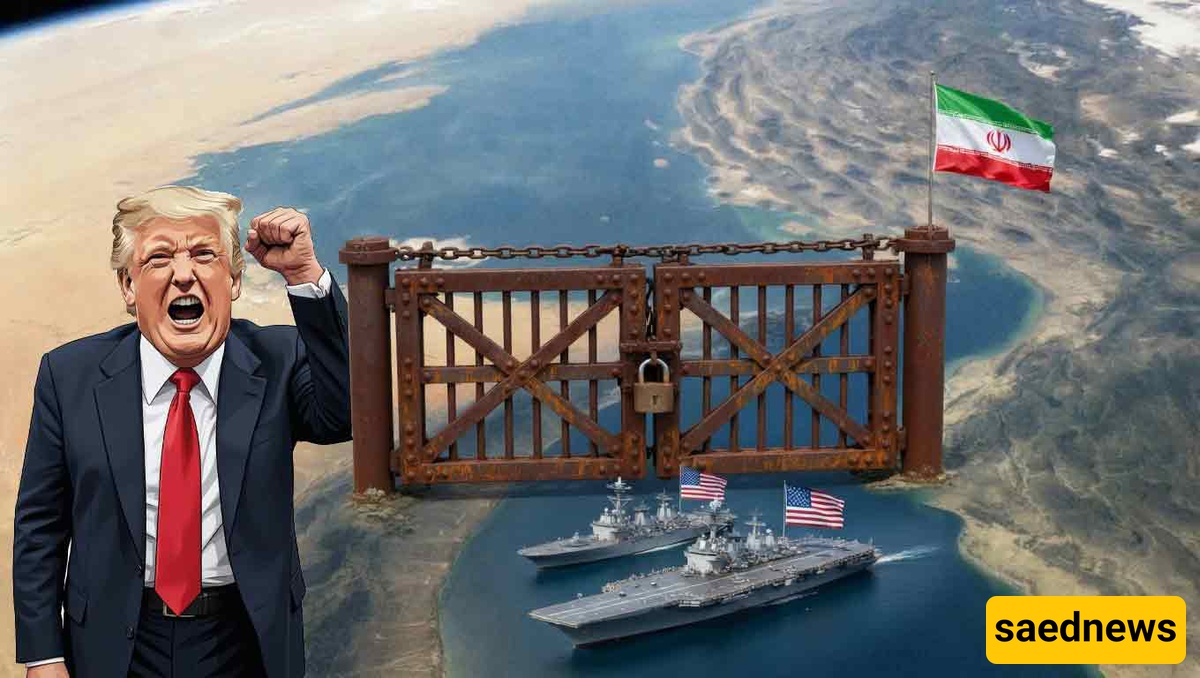
That position has remained in place even as negotiations involving the Sultanate of Oman are described as making progress.
For the Israeli commentator, that combination is particularly notable. On one hand, diplomatic channels appear to be active. On the other, Iran is reportedly maintaining a firm position on one of the most strategically important waterways in the region.
The report says Iranian political and military officials have communicated through official Iranian media that progress in talks with Oman has not changed their position on Hormuz.
In other words, negotiations may be moving forward, but that does not automatically mean the Strait will be reopened.
That distinction is at the heart of the Hebrew-language commentary.
Yair characterized Iran’s position as a powerful message to Trump, using the expression that it represented a “slap in Trump’s face.” The phrase reflects the writer’s interpretation of the political significance of Tehran’s stance rather than an independently verified description of events.
The importance of the Strait of Hormuz gives the issue an added layer of sensitivity. The waterway is at the center of the dispute described in the report, making Iran’s conditions more than a routine diplomatic demand in the eyes of the Israeli commentator.
The report does not suggest that the Iranian position is a minor part of the negotiations. Instead, it presents the issue as a central point of pressure between Tehran and Washington.
According to the account, Iranian officials have made clear that the Strait will remain closed until the United States accepts the demands being put forward by Iran.
That message has attracted attention because it was reportedly delivered while diplomatic contacts through Oman were continuing.
The result is a situation in which progress at the negotiating table and firmness over Hormuz are appearing side by side. For observers following the dispute, that creates an important question: can negotiations advance without producing an immediate change in Iran’s position on the waterway?
The Hebrew-language report interprets Tehran’s stance primarily through the lens of its impact on Trump. Rather than viewing the Iranian position simply as another negotiating condition, Yair presents it as a political signal intended to demonstrate that Washington cannot dictate the outcome on its own terms.
At the same time, the source material does not provide details about the precise demands Iran has presented or specify what developments would constitute U.S. compliance. It also does not establish an independent timeline for any reopening of the Strait.
Those limitations are important when assessing the situation.
What is clear from the reported account is that Iran is linking the reopening of the Strait to the outcome of its confrontation with the United States. The reported statement from Iranian military and political officials leaves little room for interpreting the issue as an automatic consequence of progress in the Oman-mediated talks.
For Trump, as portrayed by the Hebrew commentary, this creates an uncomfortable political picture. A negotiation process may be underway, but Iran is simultaneously signaling that it intends to retain its position on Hormuz until its conditions are addressed.
That is why the phrase “slap in Trump’s face” became the defining language of the Israeli report. It captures the commentator’s view that Iran is attempting to establish its own terms rather than simply respond to American pressure.
The broader significance of the episode will depend on what happens next in the negotiations. If diplomatic efforts produce an agreement acceptable to both sides, the current standoff over Hormuz could eventually change. If the two sides remain far apart, however, the Strait could continue to serve as a visible symbol of the unresolved dispute.
For now, the message attributed to Iran is unmistakable: progress in talks does not, by itself, mean reopening the Strait of Hormuz. The Hebrew-language reaction shows just how closely that position is being watched—and how heavily its political meaning is being weighed in Israel.
The question now is whether negotiations can produce the breakthrough needed to change that equation, or whether Hormuz will remain one of the clearest pressure points in the confrontation between Iran and the United States. That is the part of the story likely to keep drawing attention as the diplomatic process unfolds.