SAEDNEWS: Israeli Prime Minister Benjamin Netanyahu has categorically rejected the establishment of a Palestinian state during his time in office, while also opposing a proposed 15-point framework for Gaza and ruling out an Israeli military withdrawal before Hamas is disarmed.
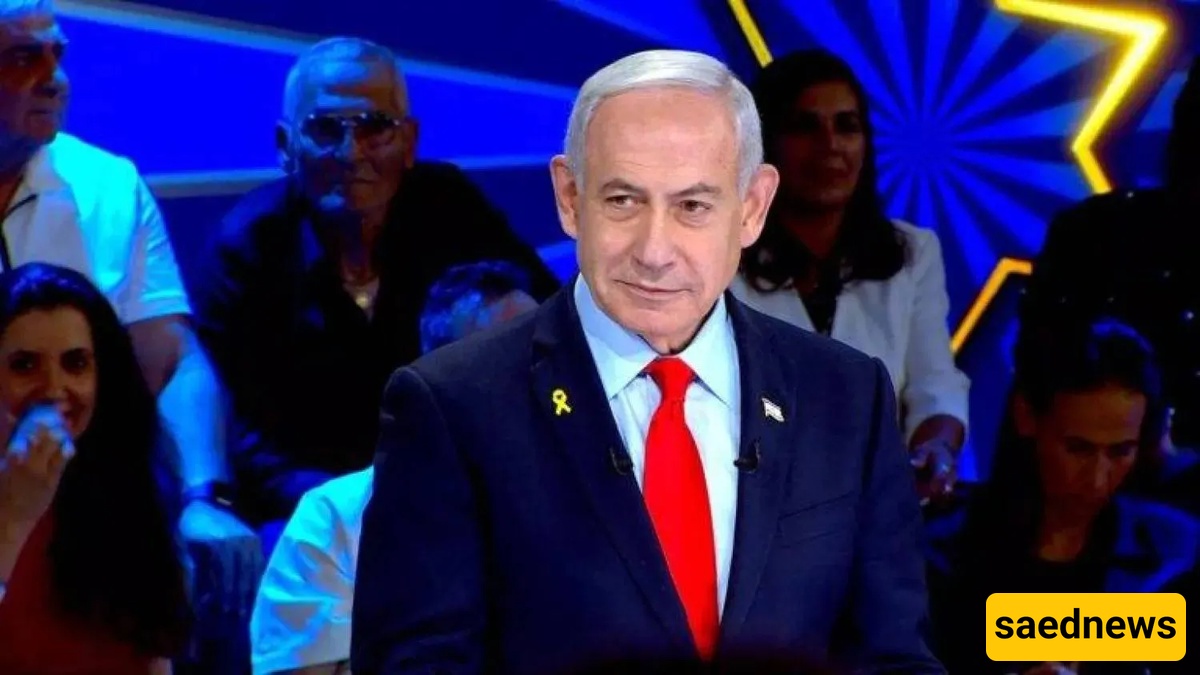
According to SaedNews: Benjamin Netanyahu has delivered an unusually direct statement on one of the most contentious questions surrounding the future of Gaza and the West Bank, declaring that a Palestinian state will not be established for as long as he remains prime minister.
Netanyahu made the statement on Sunday while setting out his position on the future political status of the Palestinian territories.
His message was unequivocal.
The Israeli prime minister said that as long as he remains in office, there will be no Palestinian state, whether in Gaza or the West Bank.
The declaration places Palestinian statehood firmly at the center of Netanyahu’s current political position. Rather than leaving the issue open to future negotiations, he presented his opposition as a clear condition tied to his continued tenure as prime minister.
The statement also comes alongside another firm position on Gaza.
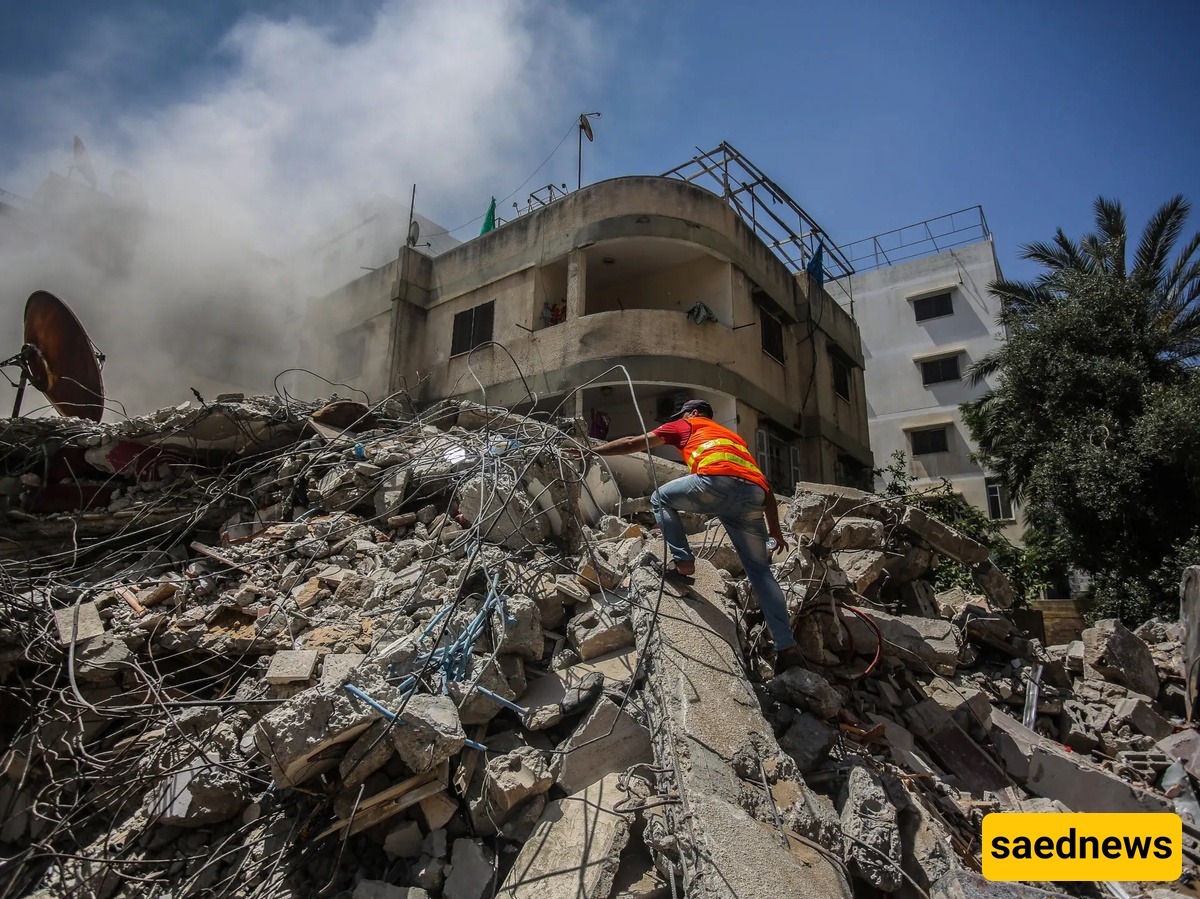
Netanyahu rejected a 15-point proposal concerning Gaza that had been presented by the so-called Peace Council, according to the source material. He also said Israel would not carry out any military withdrawal from Gaza before Hamas is disarmed.
That combination of positions creates a clear framework for how Netanyahu says he views the next stage of the Gaza conflict: no Israeli military withdrawal before the disarmament of Hamas, and no Palestinian state during his premiership.
The remarks are significant because they address both the immediate future of Gaza and the much broader question of what political arrangement could eventually emerge in the Palestinian territories.
Gaza and the West Bank have been at the center of the international debate over the Israeli-Palestinian conflict, particularly over whether a future political settlement should involve an independent Palestinian state.
Netanyahu’s latest statement rejects that possibility for the duration of his leadership.
His comments also make Hamas’s disarmament a central condition for any Israeli military withdrawal from Gaza. According to the statement, Israel would not withdraw its forces before that condition is met.
The position effectively links two issues that have dominated debate over Gaza: the future of Israeli military presence in the territory and the question of who would govern the territory after the conflict.
However, the source does not provide additional details about how Netanyahu defines Hamas’s disarmament, nor does it specify a timetable for any potential military withdrawal.
It also does not provide further details about the 15-point Gaza proposal attributed to the Peace Council or explain which specific provisions Netanyahu rejected.
What is clear from his remarks is that he does not accept the proposal as a basis for an Israeli military withdrawal before Hamas is disarmed.
The political significance of Netanyahu’s statement lies partly in its sweeping wording.
By saying that a Palestinian state will not be created either in Gaza or the West Bank while he is prime minister, Netanyahu placed both territories within the scope of his rejection of Palestinian statehood.
That makes his declaration broader than a statement focused exclusively on Gaza.
At the same time, his remarks connect the immediate military question in Gaza to a long-term political issue. The first concerns whether Israeli forces would withdraw and under what conditions. The second concerns whether Palestinians could ultimately establish an independent state.
Netanyahu’s position, as stated on Sunday, is that neither outcome will proceed in the way proposed while he remains in office.
For those following developments around Gaza, the statement therefore offers a clear indication of the Israeli prime minister’s current red lines.
First, he rejects the establishment of a Palestinian state during his premiership. Second, he rejects an Israeli military withdrawal from Gaza before Hamas is disarmed. Third, he has rejected the 15-point Gaza framework presented by the body referred to in the source as the Peace Council.
The statements do not by themselves establish what will happen next, and the source provides no details about potential negotiations or alternative arrangements.
But the language used by Netanyahu leaves little ambiguity about his stated position.
The remarks are likely to remain part of the wider debate over Gaza’s future, the status of the West Bank and the possibility of Palestinian statehood. They also highlight the gap between proposals for a political settlement and Netanyahu’s publicly stated conditions.
Ultimately, Netanyahu’s message is centered on two firm refusals: no Palestinian state in Gaza or the West Bank while he remains prime minister, and no Israeli military withdrawal from Gaza before Hamas is disarmed.
Those declarations could become an important reference point in any future discussion over Gaza’s political and security arrangements, while keeping the question of Palestinian statehood at the heart of the wider dispute.