SAEDNEWS: The U.S. launched strikes on targets in Iran following attacks on three commercial ships. The escalation, along with the cancellation of Iran's oil sales waivers, pushed Brent crude above $76 per barrel and renewed concerns about global inflation ahead of the U.S. election.
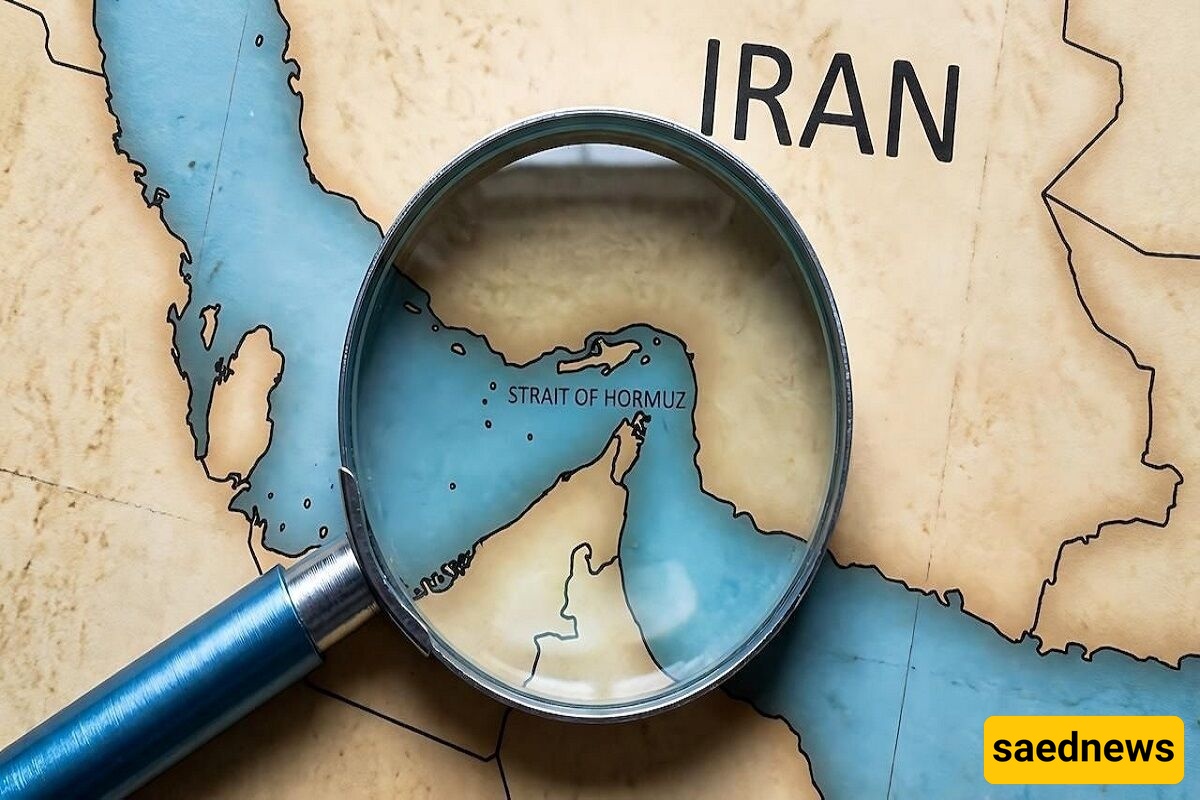
According to the political desk of Saed News, the relative calm that had prevailed in the Strait of Hormuz over the past month came to an end after three commercial vessels were reportedly targeted. Following the incident, the United States Central Command (CENTCOM) announced that it had carried out a series of strikes against positions in Iran in response. In an official statement posted on X (formerly Twitter), CENTCOM described the attacks on the vessels as a clear violation of the ceasefire and a dangerous act that seriously disrupted commercial navigation through one of the world's most strategically important waterways.
In the aftermath of these developments, the U.S.-led Joint Maritime Information Center raised the threat level for vessels transiting the Strait of Hormuz to "Severe", warning of an increased likelihood of similar incidents.
Global energy markets responded swiftly to the heightened geopolitical tensions. Concerns over potential disruptions to oil supplies pushed benchmark crude prices significantly higher:
West Texas Intermediate (WTI) crude rose 2.87%, reaching $72.46 per barrel for August delivery.
Brent crude climbed 2.75% to $76.18 per barrel for September delivery.
At the same time, Washington intensified economic pressure by revoking all previously granted sanctions exemptions related to Iranian oil sales. A senior U.S. official told CNBC that the decision was a direct response to the events in the Strait of Hormuz, emphasizing that the United States would not allow such actions to go unanswered.
From a political and economic perspective, the timing of these developments is considered particularly significant. According to Andrew Jackson, chief strategist at Ortus Advisors, Tehran may have little incentive to reach a rapid agreement as the United States approaches its November midterm elections. Maintaining the current level of tension, he argues, could strengthen Iran's negotiating position and increase pressure on the Trump administration.
An expansion of hostilities across the Middle East could carry substantial political and economic costs for Washington. Simultaneous increases in oil prices and bond yields raise the risk of renewed inflationary pressures. Such conditions could compel the Federal Reserve to maintain—or even tighten—its restrictive monetary policy in an effort to contain persistent inflation. With elections approaching, this scenario could become a significant economic challenge for the United States.