SAEDNEWS: Fresh reports indicate the continuation of negotiations over a one-page draft between Iran and the United States. The text is aimed at ending the conflict and reducing tensions, but disagreements still remain over key provisions such as nuclear guarantees, lifting of sanctions, and the timeline for implementing the agreement.
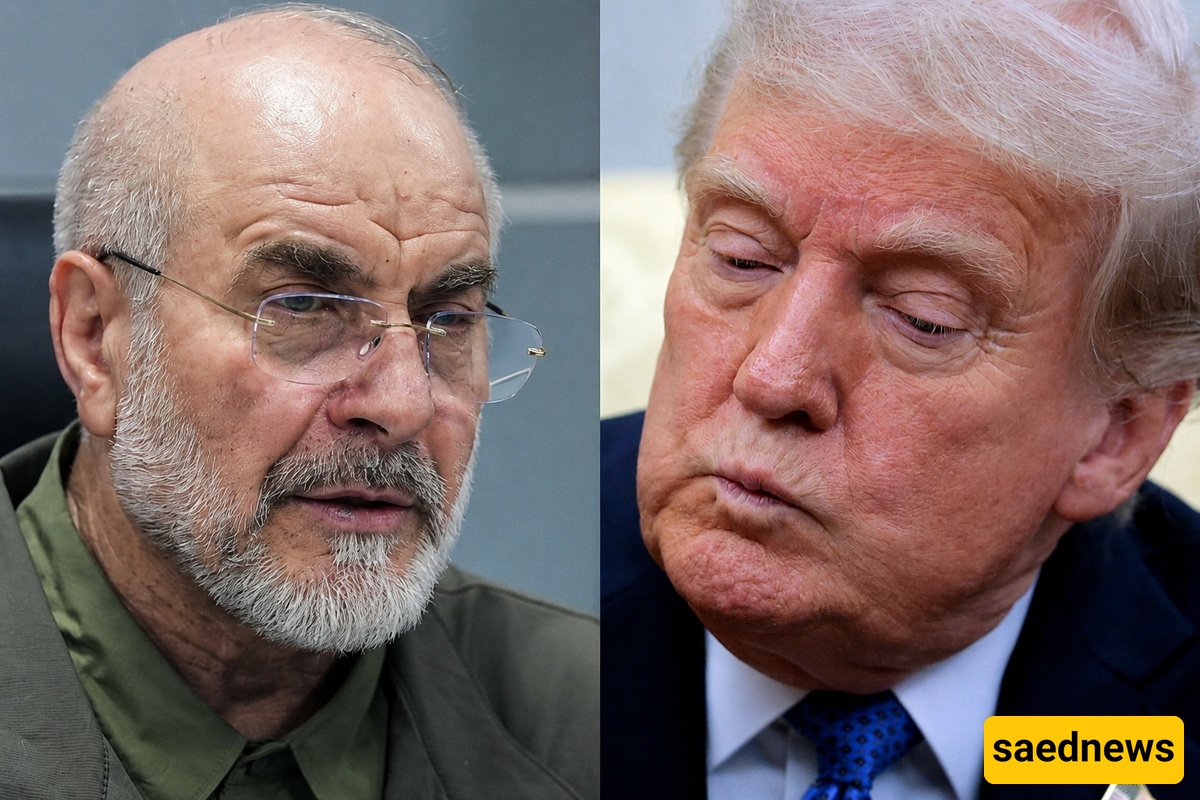
According to the politics service of the Saed News website, and reported by Khabar Online, a one-page draft memorandum aimed at reducing tensions and ending the war has been exchanged in recent weeks between the parties involved and conveyed through mediators to Washington and Tehran. Reuters reported that in early versions, the two sides had approached an initial framework, but issues such as nuclear guarantees, sanctions relief, and implementation mechanisms of the agreement remain points of disagreement.
Despite the parties moving closer to a preliminary framework, each round of revisions and the addition of new clauses has slowed the finalization process. Reuters wrote on June 2 that Iran was reviewing a new proposal but had no direct contact with Washington for several days. Later reports mentioned continued consultations and even agreement on extending a ceasefire. These back-and-forth developments indicate that disagreements over details remain the main obstacle to signing a final deal.
Simultaneously with these talks, developments related to Lebanon and the Strait of Hormuz have also affected the negotiation atmosphere. Reuters reported that tensions in Lebanon and discussions regarding maritime security in Hormuz have shaped the complex environment of the negotiations, and at times even made ceasefire extension or suspension a priority in the talks.
This process shows that the agreement is not merely dependent on a short text, but is tied to a set of political and security-related provisions. When both sides have a relative consensus on the general idea of de-escalation but fail to agree on key details, delays in signing are inevitable. Recent Reuters reports also indicate that these unresolved issues—from nuclear guarantees to sanctions relief mechanisms and regional security—continue to prevent a final agreement.
At present, although new reports suggest temporary de-escalation and ongoing discussions, the process has not yet reached a definitive and fully agreed text. As a result, this file remains one of the most sensitive and frequently evolving issues in regional foreign policy, where even small changes in the draft can alter the trajectory of Iran–US negotiations.