SAEDNEWS: World’s Oldest Mummy Discovered in Portugal, According to Research Findings
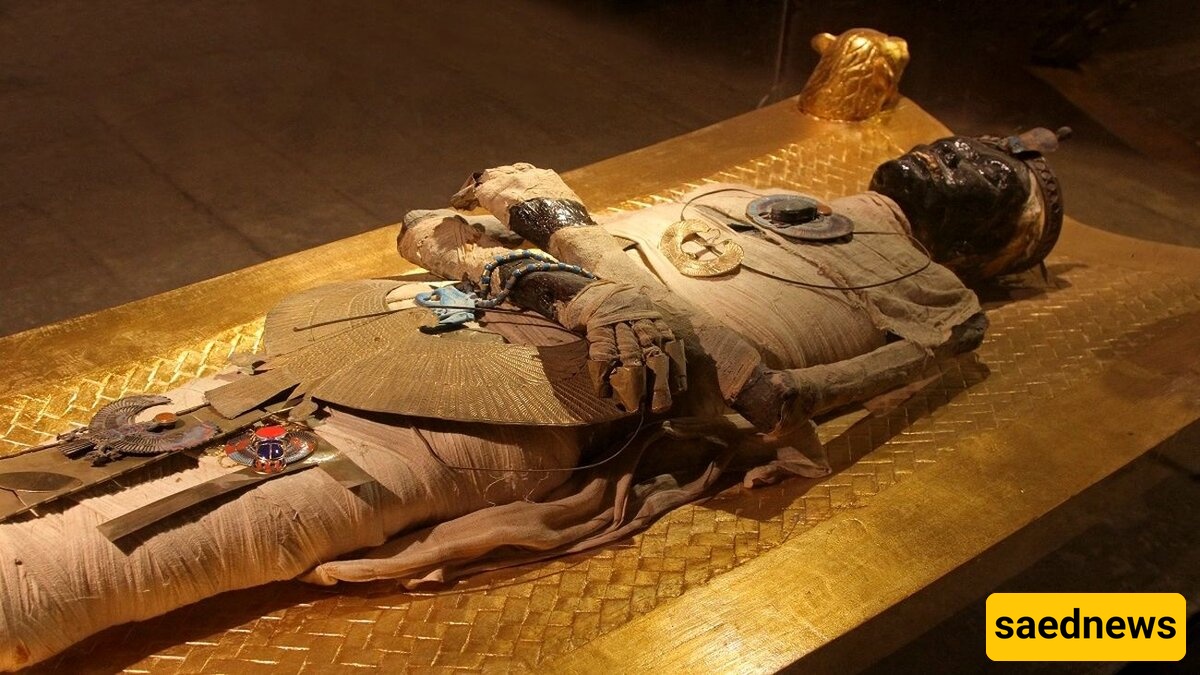
According to the history service of the Saednews analytical news agency, citing Fararu, archaeologists say that an 8,000-year-old mummy discovered in Portugal may be the oldest known mummy in the world, suggesting that the earliest human mummification practices may have originated in Europe rather than Egypt or Chile.
An archaeologist named Manuel Farinha dos Santos, who worked on the site in the 1960s and passed away in 2001, photographed 13 buried skeletons from an 8,000-year-old site in a valley known as the Sado Valley in Portugal. These remains were excavated in 1960 and 1962.
Based on the analysis of these previously overlooked photographs, researchers now propose that the earliest human mummification practices may have originated in Europe rather than Egypt or Chile.
This discovery is considered highly significant because natural mummification is typically easier in dry environments. Finding evidence of possible mummification in Europe—where the climate is much more humid—suggests that preserved soft tissues rarely survive, making such findings extremely unusual.
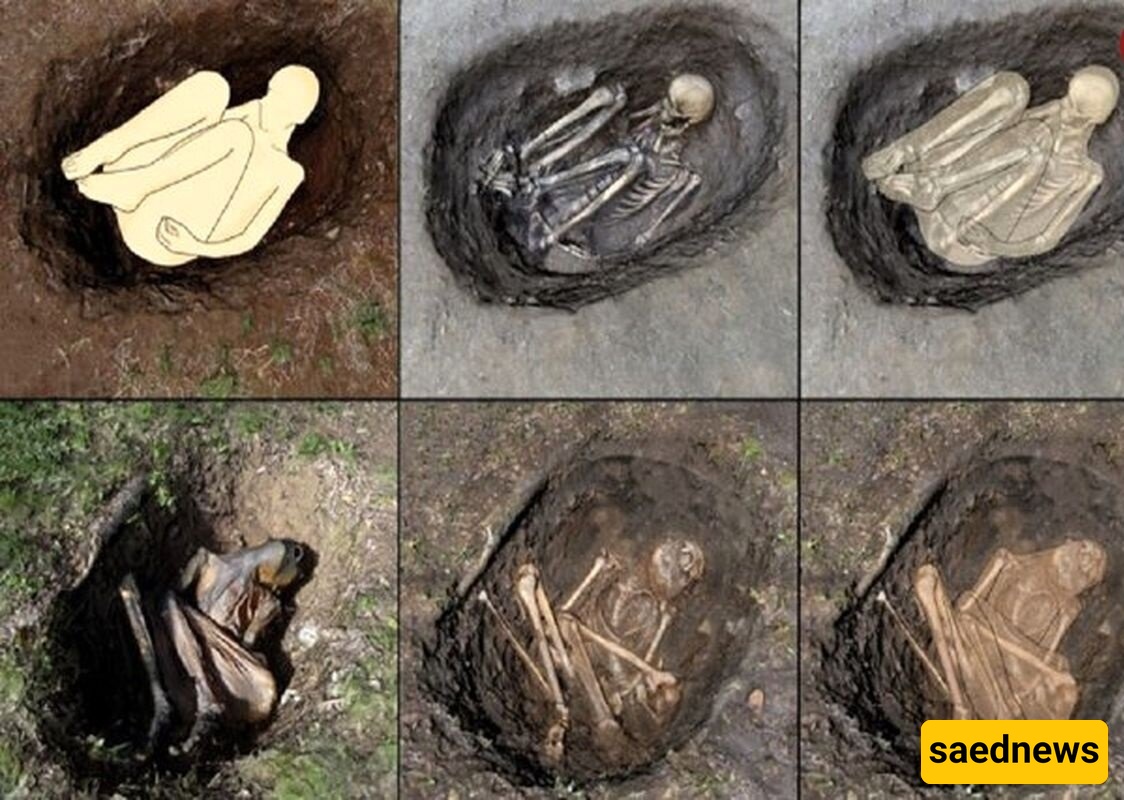
The Portuguese archaeologist had originally worked on these remains in the early 1960s, and recently, previously unseen photographs of the 13 skeletons he documented were rediscovered.
Researchers analyzed these images, revealing black-and-white photographs of 13 individuals buried during the Mesolithic period (Middle Stone Age).
Using these images, scientists reconstructed burial positions and gained new insights into burial rituals practiced 8,000 years ago.
The analysis showed that one body was in a “hyperflexed” position, meaning the arms and legs were tightly bound beyond their natural range, indicating deliberate positioning.
Additionally, the study—published in the European Journal of Archaeology—found that certain small bones, especially in the feet that typically disarticulate during decomposition, remained tightly connected and in place.
Taken together, these clues suggest that the body was likely deliberately treated after death, possibly involving dehydration to aid transport and handling, making the remains more compact and lighter.
Evidence from other skeletons at the same site suggests similar treatment, although not all show the same combination of indicators.
Until now, the Chinchorro mummies of northern Chile—dating back around 7,000 years—were considered the oldest known artificially preserved human remains, while ancient Egyptians began mummification about 5,700 years ago.
According to this new study, the earliest evidence of mummification practices may originate from the Sado Valley in Portugal. However, it should be noted that the remains are no longer preserved as mummies today, as no soft tissue survived and only skeletal remains remain.