SAEDNEWS: The Persian garden is not simply a beautiful collection of trees and fountains. It is a designed answer to heat, scarcity, movement, symbolism, and the human desire to turn a difficult landscape into a place of balance.
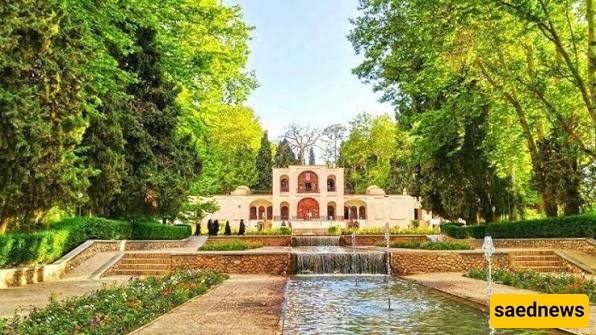
According to SAEDNEWS, A Persian garden often creates its effect before a visitor consciously understands the plan. Water draws the eye. Shade interrupts the heat. Paths and planting divide the space into clear zones, while a pavilion offers a point from which the whole composition becomes readable.
UNESCO’s Persian Garden property brings together nine gardens from different regions of Iran. They vary in climate, period, scale, and vegetation, yet share a recognizable design language. Water is both practical and theatrical: it irrigates, reflects architecture, marks an axis, creates sound, and makes coolness visible.
The familiar four-part organization is often linked with the chahar bagh idea, but real gardens are more varied than a single diagram suggests. Topography, water availability, royal purpose, private life, and local planting all changed the result. What remained consistent was the deliberate relationship between built form and cultivated nature.
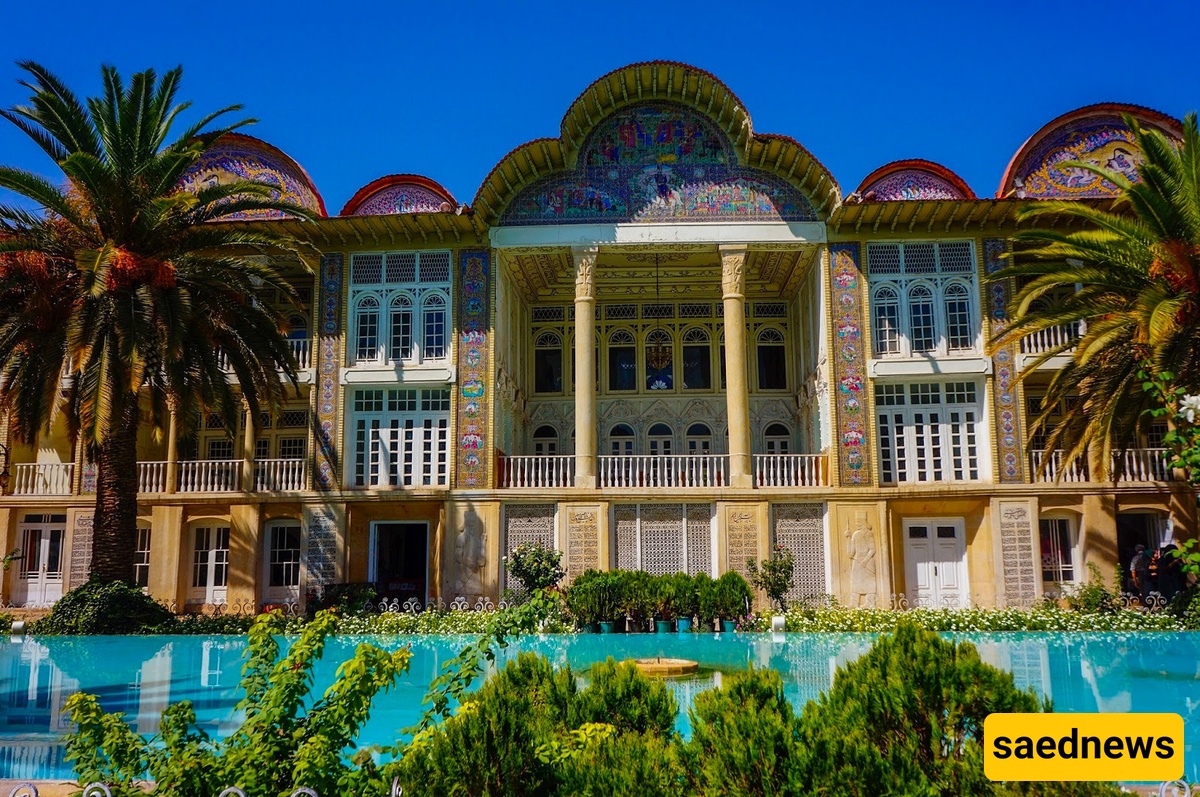
This helps explain the global influence of the Persian garden. Its ideas traveled and changed, contributing to garden traditions far beyond Iran. Yet the original logic is best understood in its environmental setting. A channel of moving water means something different in an arid landscape than it does in a rainy one. A dense line of shade is not decoration alone; it changes how the body experiences distance.
Their beauty comes from order, but not from lifeless symmetry. A Persian garden is controlled enough to feel intelligible and alive enough to keep changing with light, water, fruit, fragrance, and season.