SAEDNEWS: Evergreen climbing boxwood is a hardy, long-lasting plant that adds enduring beauty to green spaces with its neat growth and glossy foliage. In this guide, you’ll learn about its light requirements, watering needs, soil conditions, and pruning techniques.
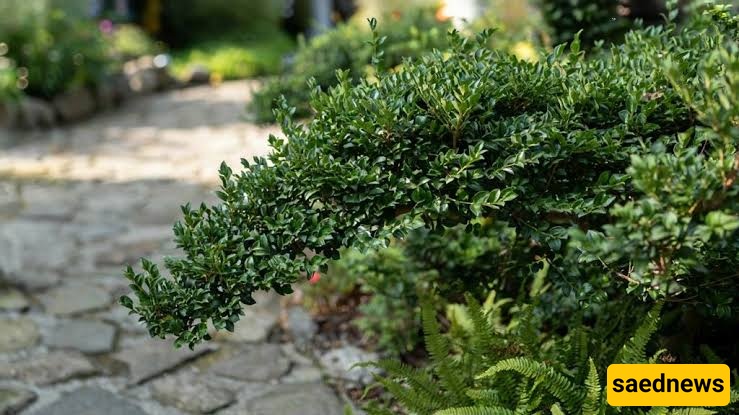
According to Saednews, Boxwoods are evergreen plants that maintain their fresh, vibrant appearance throughout the year. These distinctive plants, native to regions including East Asia, China, Japan, and Africa, are known for their durability. Their slow growth makes them an excellent choice for landscaping, formal gardens, and delicate garden designs.
Despite their hardiness, boxwoods add lasting visual appeal with their glossy green foliage. If you want a distinctive, evergreen yard or garden, trailing boxwood can be a smart choice. Boxwood wood is also valued for its hardness and density, making it useful in various industries and for manufacturing different products.
Trailing boxwood is a popular choice for landscaping and enhancing outdoor spaces. Its growth habit, ease of shaping, and adaptability have made it appealing to many gardening enthusiasts. With proper care, your trailing boxwood can remain healthy and green throughout the year. The following guidelines explain the key conditions and maintenance practices needed to keep this plant thriving.
Trailing boxwood grows best in a location with sufficient light, but it should not be exposed to intense, direct sunlight for prolonged periods. Partial shade or even full shade can also work well, particularly in regions with hot summers.
For the best results, choose a location where the plant receives gentle, consistent light throughout the day. Boxwood generally performs best outdoors, although indoor plants should be placed near a window where they can receive adequate natural light.
Trailing boxwood can also be used effectively to cover walls, borders, and areas of ground in landscaped spaces. Selecting the right location from the beginning is essential for healthy growth.
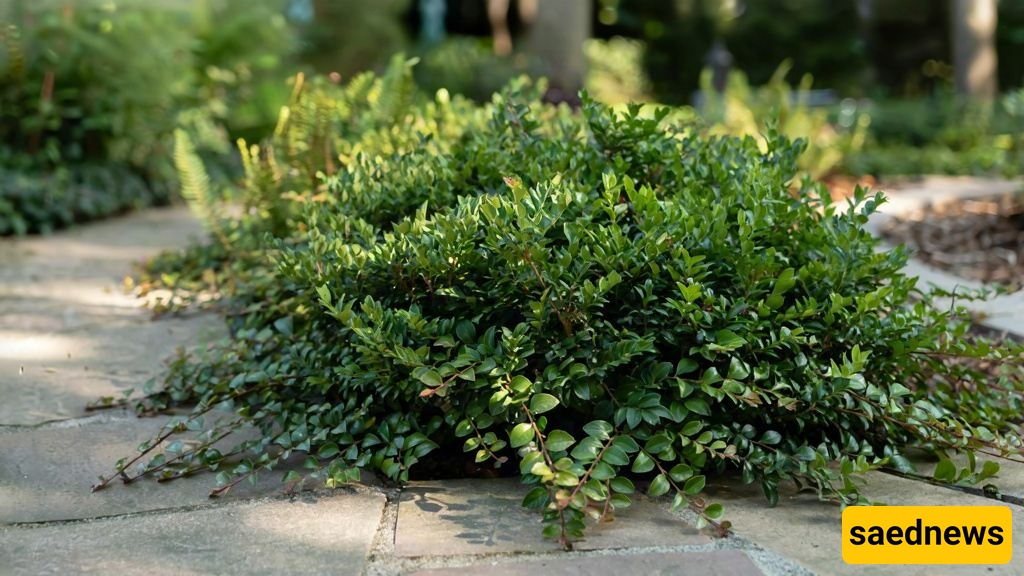
Correct watering is one of the most important aspects of caring for trailing boxwood. The soil should remain moderately moist, but it should never become waterlogged. Excess water around the roots can lead to root problems and weaken the plant.
Check the soil regularly and water when necessary to prevent it from becoming excessively dry. During warmer months, the plant may require more frequent watering, while watering should generally be reduced during colder seasons.
Using low-mineral water or rainwater can also be beneficial where the available water contains high levels of minerals.
Trailing boxwood prefers rich, well-draining soil. A suitable growing medium can consist of quality garden soil combined with organic fertilizer or compost. This helps support healthy root development and improves the plant's access to essential nutrients.
Before planting trailing boxwood, check the soil conditions at the intended planting site and improve the soil if necessary.
Applying a balanced fertilizer every two to three months can support healthy growth. Fertilizers containing nutrients such as nitrogen and potassium can help maintain vigorous foliage and attractive green leaves. Proper nutrition is an important part of keeping the plant healthy and maintaining its ornamental value.
Regular pruning is essential for maintaining the appearance and density of trailing boxwood. Pruning can encourage fuller growth and help the plant maintain a neat, attractive shape.
Early spring or summer is generally a suitable period for pruning, particularly when the plant is beginning or actively producing new growth. Regular shaping is especially useful when boxwood is being used for borders, ground cover, or decorative landscaping.
Trailing boxwood can be an attractive evergreen addition to gardens and landscaped areas when planted in a suitable location and given consistent care. Providing appropriate light, moderate watering, well-draining soil, adequate nutrition, and regular pruning can help maintain healthy, dense foliage throughout the growing season.
With the right growing conditions and routine maintenance, trailing boxwood can provide a neat and enduring green presence in your garden.