SAEDNEWS: Located in northeastern Yerevan, the Yerevan Botanical Garden is home to more than 200 rare native plant species and serves as an important center for botanical and environmental research.
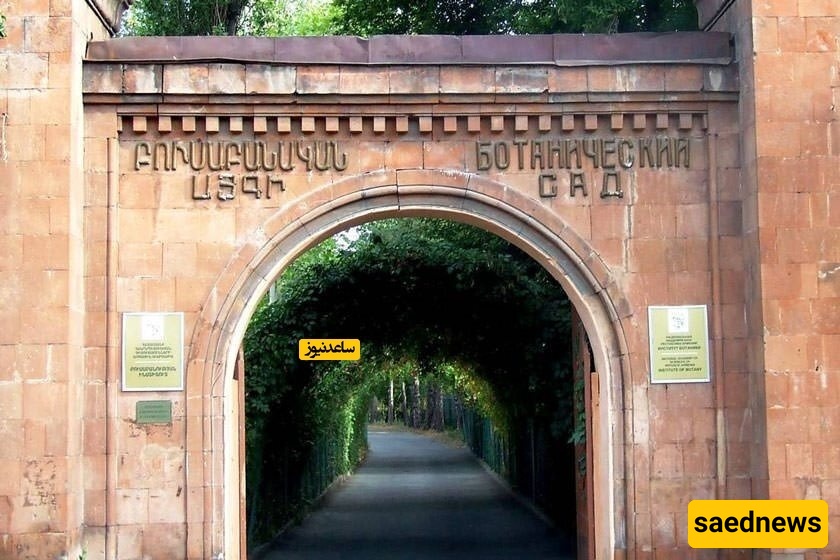
According to SaedNews Tourism, the Yerevan Botanical Garden was established in 1935 in the northeastern part of Yerevan. The garden, which belongs to the National Academy of Sciences of Armenia, covers an area of approximately 80 hectares.
The Yerevan Botanical Garden is home to around 200 species of native, rare, and endangered plants, offering visitors and tourists an opportunity to explore Armenia’s diverse flora. The garden also provides a suitable setting for scientific research and studies on Armenian plant species and their ecological interactions in relatively natural conditions.
The main plant groups found in the garden include species from the pine, cypress, rose, and olive families. Oak and juniper trees also add to the garden’s natural beauty. In addition to Armenian plants, visitors can find species originating from North America, Japan, and Siberia.
The garden also has facilities for cultivating different types of plants. Once grown, some of these plants are distributed to schools, companies, and industrial facilities. The garden can also be an enjoyable destination for children, who can spend several hours exploring its green spaces and learning about plants and nature.
Walking through the garden offers visitors a peaceful and refreshing experience, making it an interesting natural attraction in Yerevan.
The Yerevan Botanical Garden was officially opened in 1935 in the northeastern part of the city. Three years later, in 1938, an institution known as the Institute of Botany was established as part of the botanical complex.
The garden's administrators later decided to expand the facility by adding greenhouse areas alongside its outdoor collections.
In 1939, a greenhouse covering 25 square meters was constructed. Another greenhouse, measuring 610 square meters, was added in 1944. The larger greenhouse included a 106-square-meter winter garden. Other sections were dedicated to succulent plants, subtropical species, and indoor plants.
Between 1954 and 1970, specialists at the Yerevan Botanical Garden focused on collecting native Armenian plants. These species were eventually organized across an area of approximately 16 hectares. During the same period, a garden featuring colorful roses and irises was also developed.
Over time, the garden expanded beyond native Armenian species. Plants from the Caucasus, North America, Europe, Siberia, and East Asia were introduced to its collections. Maintaining plants from different geographical regions naturally required specialized environmental conditions. The botanical garden developed the facilities necessary to accommodate many of these species.
Through the continued efforts of botanists and researchers, the Yerevan Botanical Garden gradually became larger and better equipped. Today, it maintains and protects approximately 200 different plant species across an area of about 80 hectares.
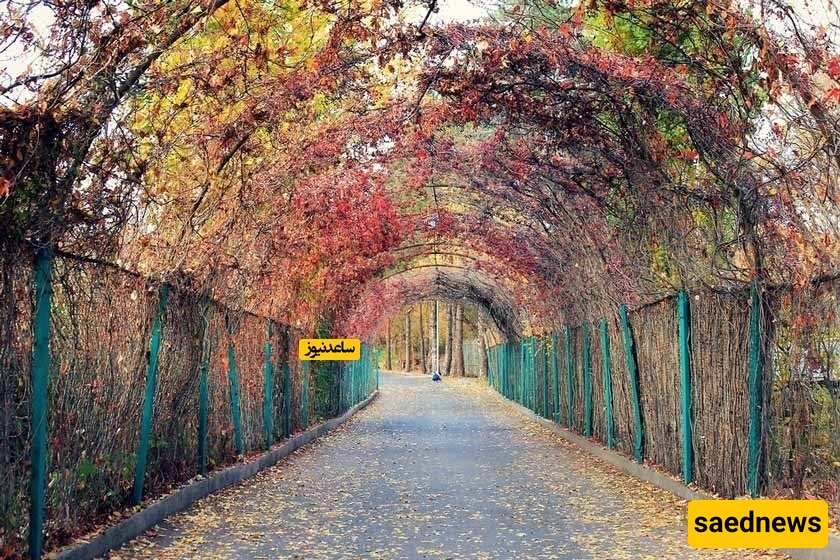
The Yerevan Botanical Garden carries out a range of scientific and educational activities. One of its primary objectives is the conservation and cultivation of endangered plant species.
Another important responsibility is providing guidance and education on the proper cultivation and care of plants. As part of this work, specialists offer advice to educational institutions and private seed suppliers.
The garden's researchers also organize educational trips to farms and natural areas for schoolchildren, particularly students studying biology and agriculture. These activities allow students to gain practical knowledge and learn directly from specialists.
Another responsibility of the garden's staff is studying how different growing environments affect plant development. Despite these efforts, botanical specialists continue to face a number of challenges related to environmental protection and plant conservation in Armenia.
The energy crisis that affected Armenia in 1988 resulted in the cutting down of a large number of trees across the country. Despite the difficulties that followed, specialists at the Yerevan Botanical Garden have continued working to develop and expand its collections.
Today, the garden's greenhouses contain approximately 200 species of tropical and subtropical plants. These facilities provide controlled environments that allow plants from different climatic regions to be cultivated and studied.
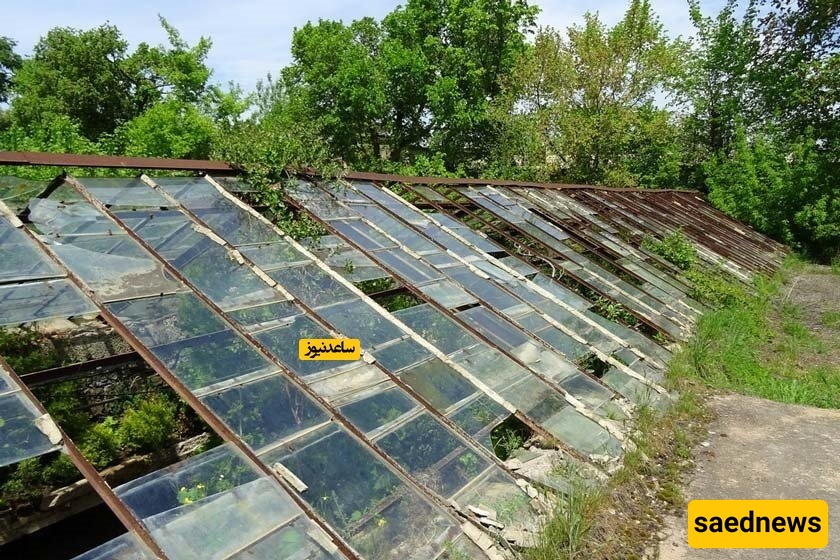
The Yerevan Botanical Garden, under the National Academy of Sciences of Armenia, plays an important role in the conservation, cultivation, and study of plant species in Armenia. Established in 1935 in the northeastern part of Yerevan, the garden has developed into an important botanical and scientific center, covering approximately 80 hectares and preserving a diverse collection of plant species.