SAEDNEWS: Sudan is a Muslim-majority country located in Northeast Africa, with Khartoum serving as its capital city. The nation is known for its rich cultural heritage, diverse traditions, and deep-rooted customs shaped by centuries of history. In this article, we will explore the culture, values, and everyday traditions of the Sudanese people.
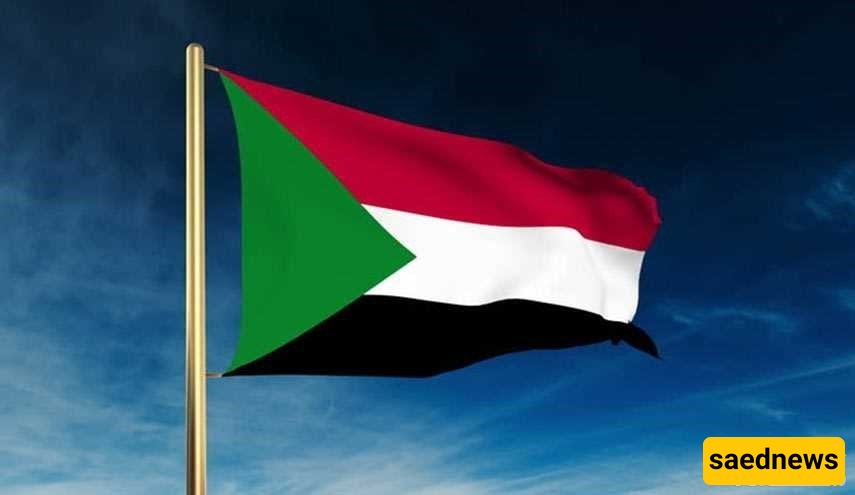
According to Saednews, Sudan is one of Africa's largest and most historically significant countries. It is known for its rich cultural diversity, ancient heritage, and unique traditions. Located along the Red Sea, Sudan shares borders with Egypt, Eritrea, Ethiopia, South Sudan, Chad, the Central African Republic, and Libya, making it an important crossroads between North and Sub-Saharan Africa. Historically, it was the largest country in Africa before the independence of South Sudan in 2011.
Before the separation of South Sudan, Sudan's population consisted of approximately 52% Black African ethnic groups, 39% Arabs, and about 8% from the Beja tribe. Today, the majority of Sudanese identify as Sudanese Arabs, although many African ethnic communities remain, particularly in the southern regions and Darfur.
Islam is the dominant religion, with around 97% of the population identifying as Muslim. The remaining population includes Christians, Coptic Christians, and followers of traditional African beliefs. A small community of Twelver Shia Muslims also resides in cities such as Khartoum, Omdurman, Shendi, Abu Zabad, and Port Sudan.
Arabic is the country's official language, while English is widely used in government, education, and business.
Sudan is home to numerous ethnic groups, each with its own customs, traditional clothing, language, and social practices. In some tribal communities, traditional garments are made from animal skins, while languages and dialects vary significantly from one region to another.
One well-known traditional practice among certain communities is cattle jumping, a ceremonial event symbolizing courage, maturity, and the transition into adulthood.
Music, dance, and communal celebrations play an essential role in Sudanese culture. Traditional dances, storytelling, and tribal ceremonies remain important aspects of community life, while religious customs continue to influence everyday social traditions.
Eid al-Fitr is one of the most important religious festivals in Sudan. Preparations begin during the second half of Ramadan, when families start shopping, cleaning their homes, and preparing traditional foods.
As Eid approaches, city squares and public streets become gathering places for celebrations featuring traditional music and cultural performances. Children actively participate alongside adults, helping preserve Sudan's rich artistic heritage. Different tribes showcase their unique dances, music, stick performances, and traditional fire displays.
Children eagerly anticipate Eid by wearing new clothes and participating in special holiday activities. Many Sudanese children begin learning to fast during Ramadan from around the age of seven, making the holy month an important part of their upbringing.
Women thoroughly clean and decorate their homes, wear new clothing, prepare for visiting relatives and guests, and perfume their houses with fragrant incense and aromatic herbs. Many families believe that burning traditional incense helps create a welcoming atmosphere and reflects long-standing cultural beliefs.
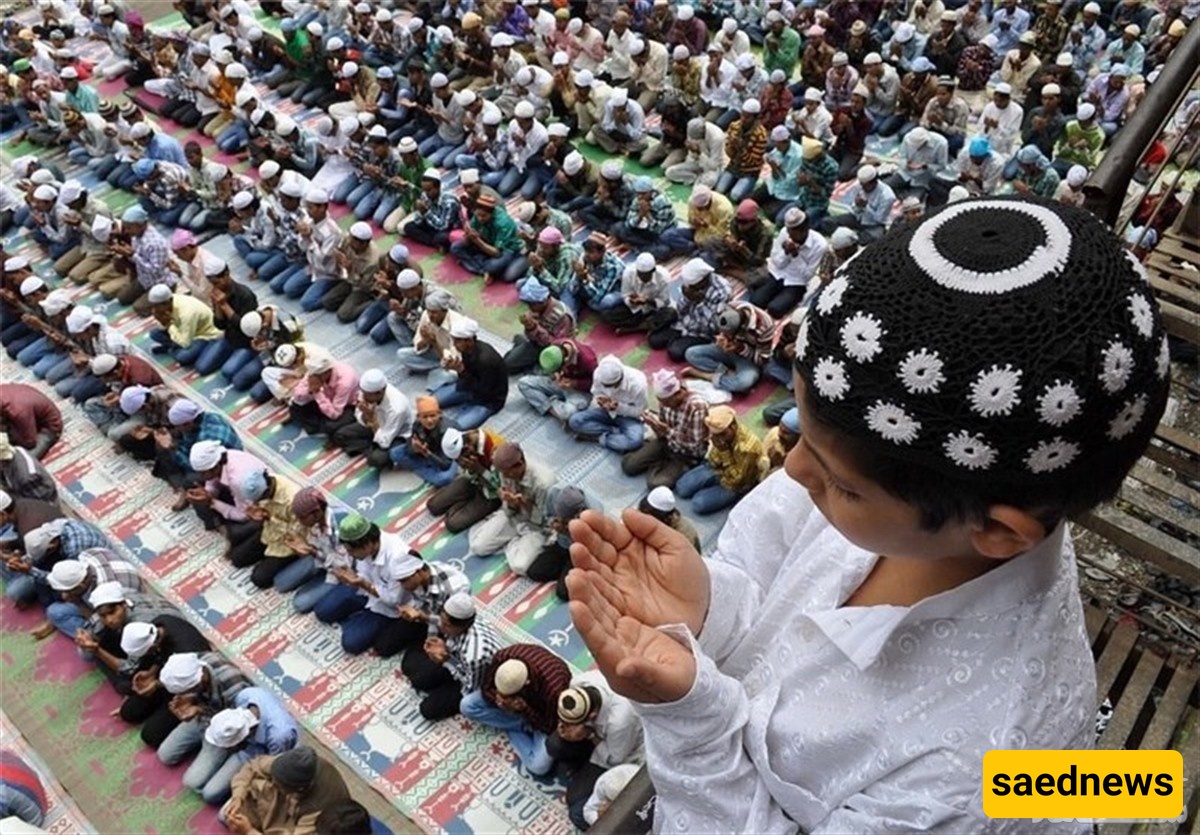
On the morning of Eid, Sudanese people traditionally wear white garments and gather in large open spaces to perform the Eid prayer. Wearing white for the Eid prayer is regarded as an important tradition inherited from previous generations.
Traditionally, girls in Sudan were considered eligible for marriage once they reached adolescence, although modern legal standards and social expectations increasingly emphasize adulthood and consent.
The marriage process begins with the groom's family conducting respectful inquiries about the prospective bride through female relatives. If both families agree, formal discussions take place between the fathers, followed by a period of consultation with extended family members.
Once the proposal is accepted, the bride's family expresses its approval with traditional blessings. The groom's family presents gifts to the bride's mother in a custom known as Fath al-Khashm, along with the Sheila, a collection of bridal gifts that may include clothing, perfume, gold jewelry, and household necessities.
Before the wedding, the bride traditionally undergoes a series of beauty rituals. A special steam treatment called Dokhan is prepared by burning fragrant woods such as Talh and Shaf. The bride sits above the aromatic smoke while wrapped in heavy fabric, allowing the steam to soften and perfume the skin.
Her body is then treated with a mixture of corn flour, oils, and water known as Lakhokha. During this period, female relatives prepare a traditional perfume called Khumra, made from ingredients such as amber and sandalwood.
The henna celebration is an important pre-wedding event. A ceremonial table is arranged with a bowl of henna, lit candles, the Quran, traditional perfumes, sweets, cakes, and a special prayer bead necklace known as Yusr.
A professional artist decorates the bride's hands and feet with intricate floral and geometric henna designs, marking the beginning of the wedding festivities.
The marriage ceremony traditionally begins at the groom's home, where livestock may be prepared for a large community feast. The marriage contract is often conducted after the Maghrib prayer at a nearby mosque.
Following the ceremony, celebrations continue with music, joyful chants, sweets distributed among guests, and relatives accompanying the newly married couple while offering prayers and blessings for a prosperous life together.
Sudan's diverse cultural heritage reflects centuries of history shaped by numerous ethnic communities, Islamic traditions, and regional customs. While many traditional practices remain an important part of Sudanese society, modern life continues to influence social norms and legal frameworks. Today, Sudan offers visitors a fascinating blend of cultural diversity, religious heritage, traditional celebrations, and enduring family values.