SAEDNEWS: India’s handmade arts represent one of the richest and most diverse craft traditions in the world. Passed down through generations, these crafts reflect regional identities, spiritual beliefs, daily life, and centuries of artistic evolution. From intricate textiles to delicate pottery and metalwork, Indian
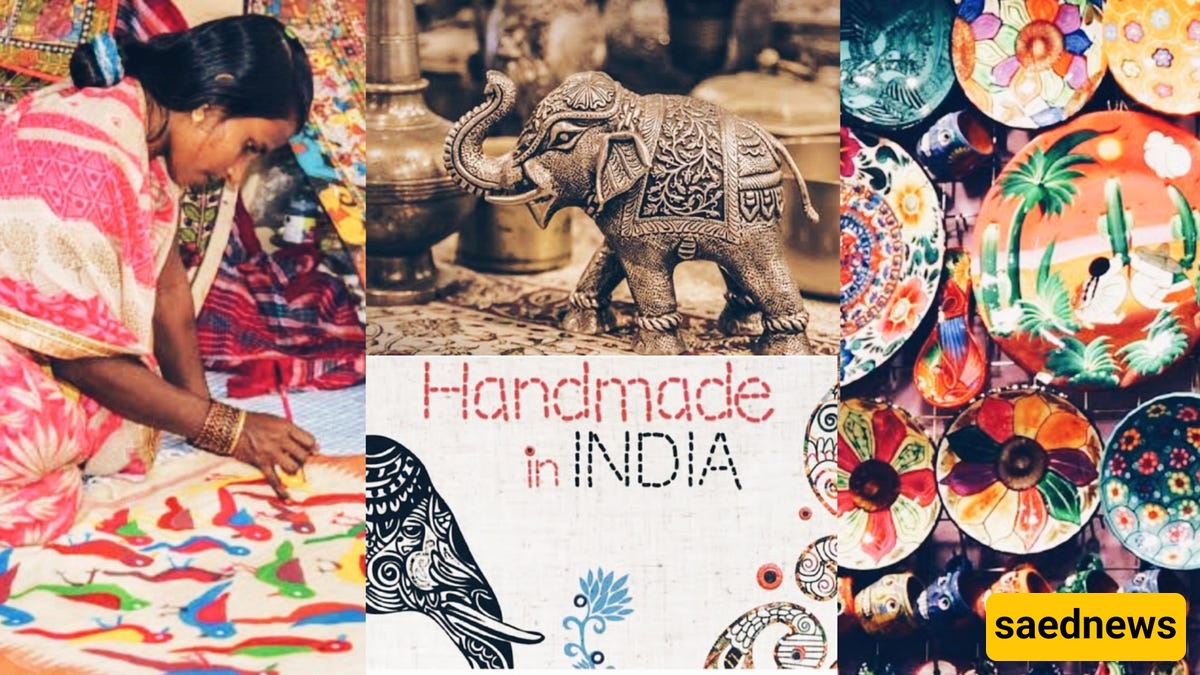
According to Saednews, Handmade arts in India are deeply connected to history and tradition. Many craft forms originated in ancient civilizations such as the Indus Valley, where evidence of pottery, weaving, and bead-making has been discovered. Over time, regional kingdoms, trade routes, and cultural exchanges with Persia, Central Asia, and Europe further enriched Indian craftsmanship.
Each region developed its own signature style, influenced by climate, materials, and cultural practices.
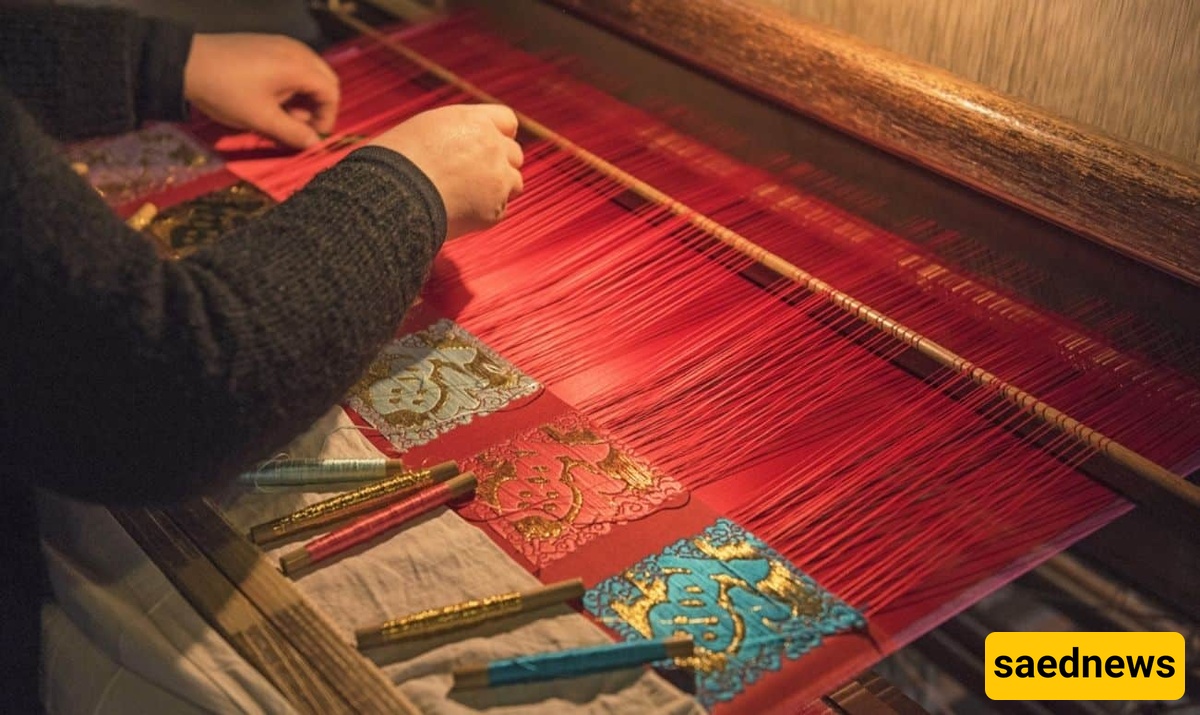
India is globally renowned for its textile heritage. Techniques such as hand weaving, block printing, embroidery, and dyeing are practiced across the country.
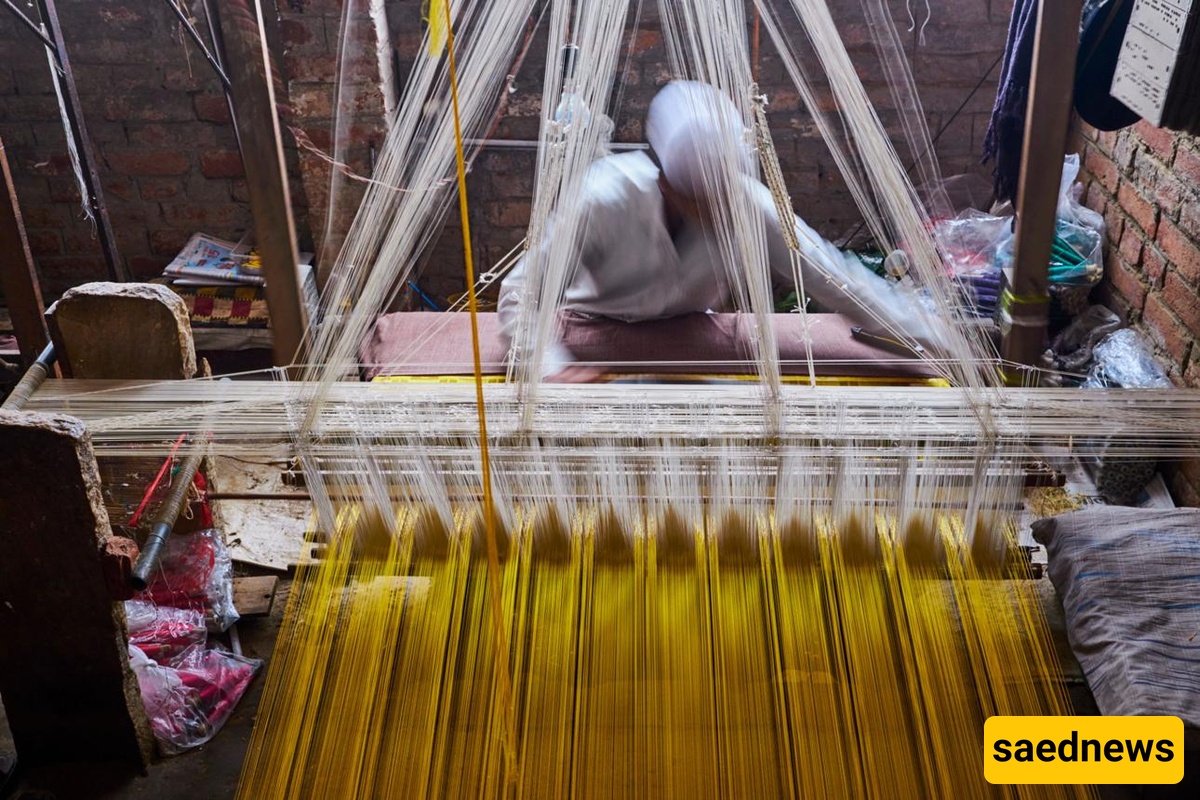
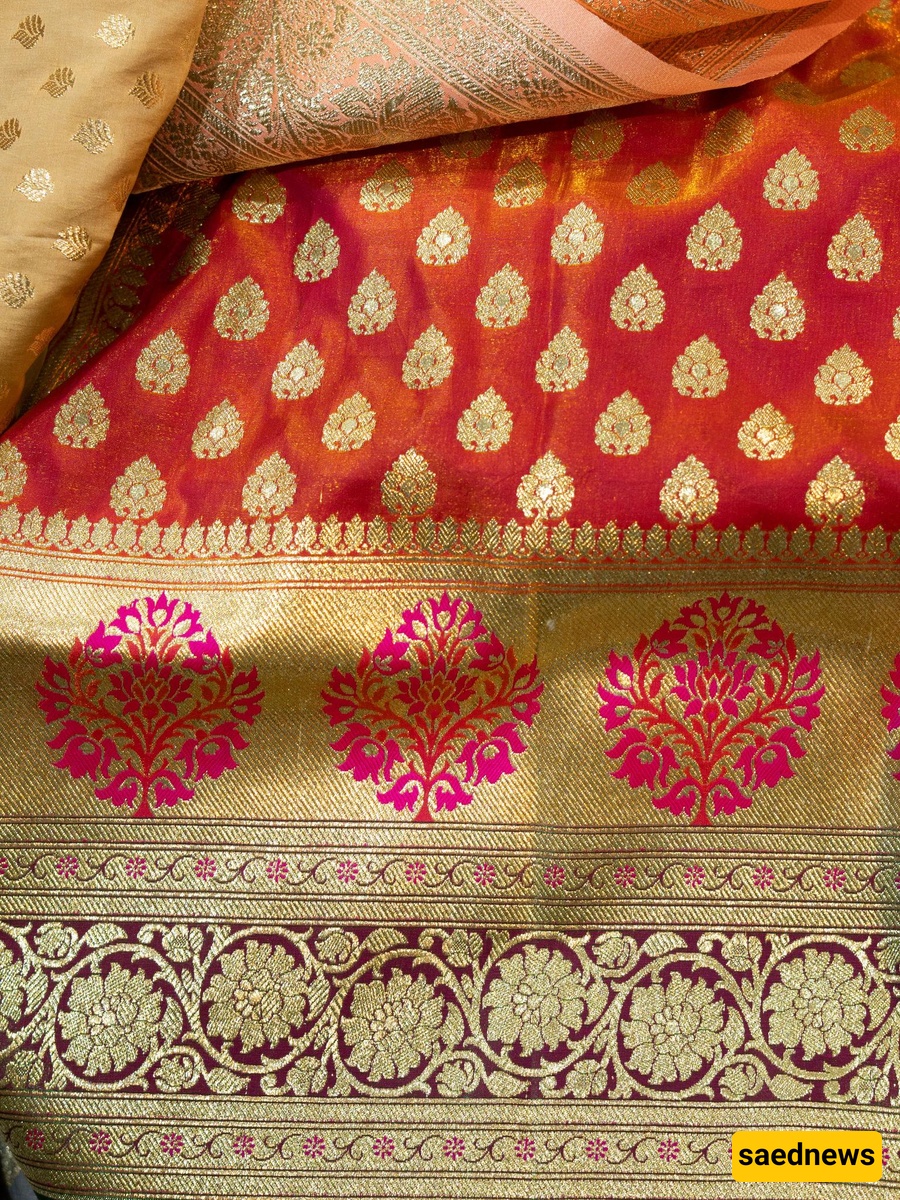
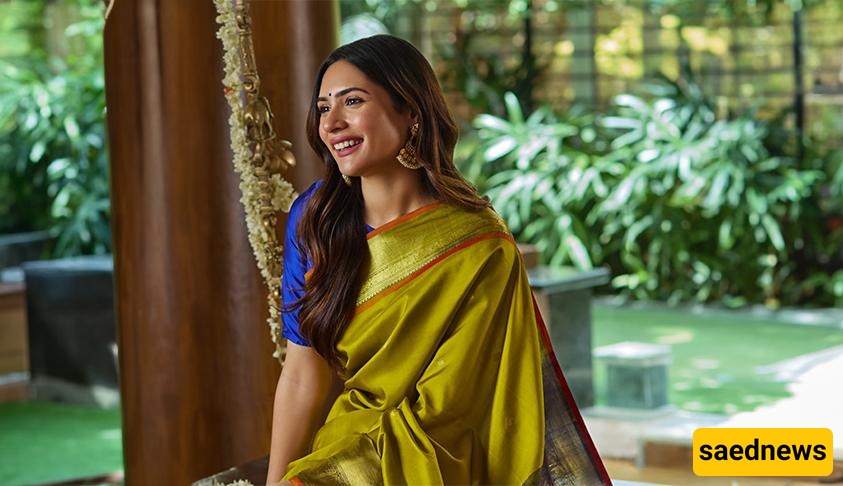
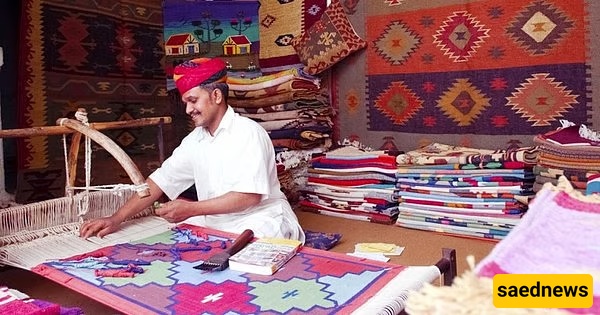
Banarasi silk weaving from Varanasi is known for its luxurious patterns and gold threadwork
Kanchipuram silk from Tamil Nadu is prized for its durability and vibrant colors
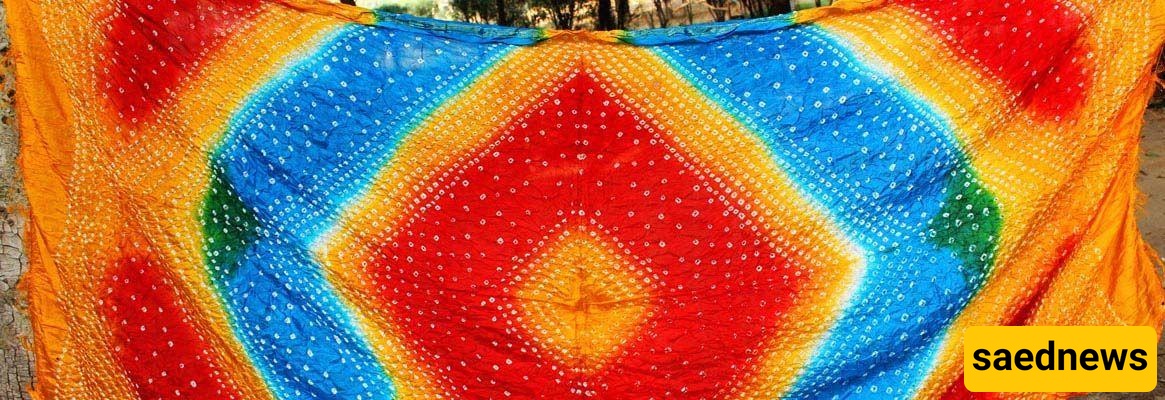
Bandhani tie-dye from Gujarat and Rajasthan creates intricate dotted patterns
Chikankari embroidery from Lucknow is famous for its delicate hand-stitched floral designs
These textiles are not just clothing but cultural symbols often used in ceremonies and rituals.
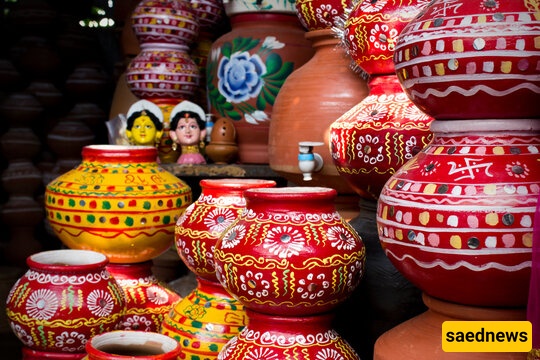
Pottery is one of the oldest crafts in India. Rural communities still use traditional methods of hand-shaping clay on wheels fired in open kilns.
Terracotta pottery is widely used in eastern and central India
Blue pottery from Jaipur is known for its glazed, Persian-inspired designs
Black pottery from Manipur reflects unique indigenous techniques
These crafts serve both functional and decorative purposes.
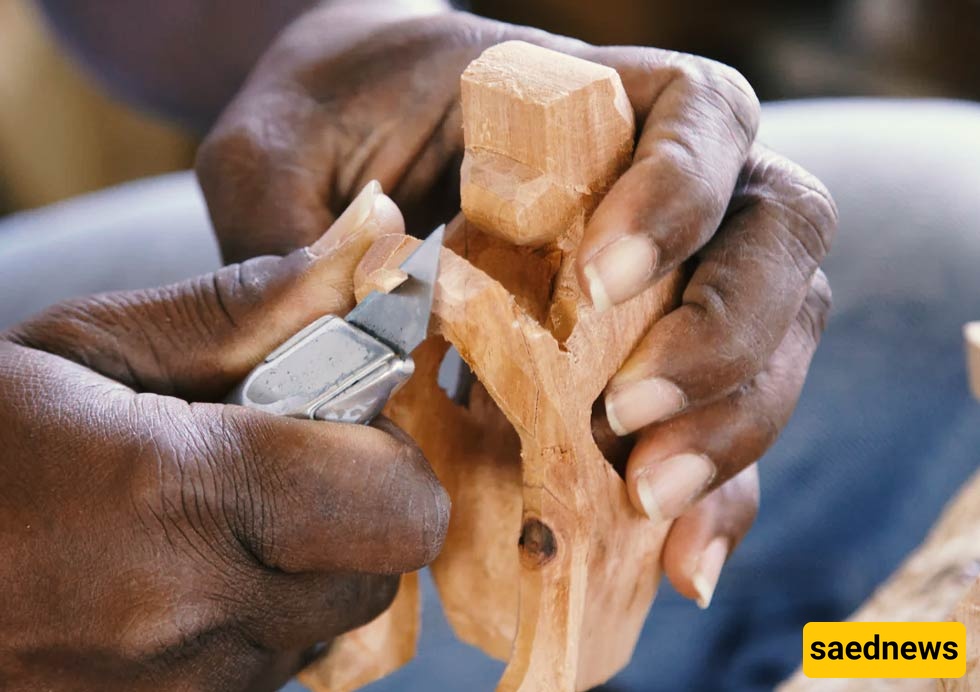
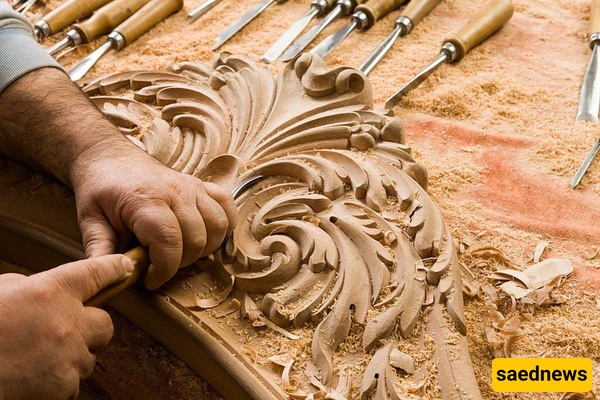
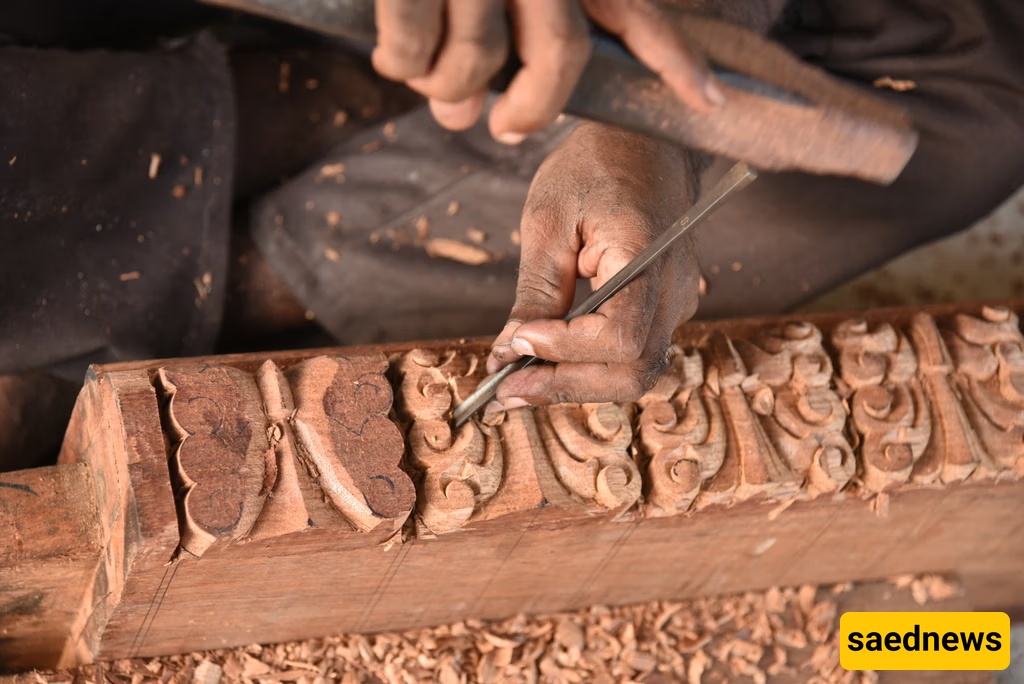
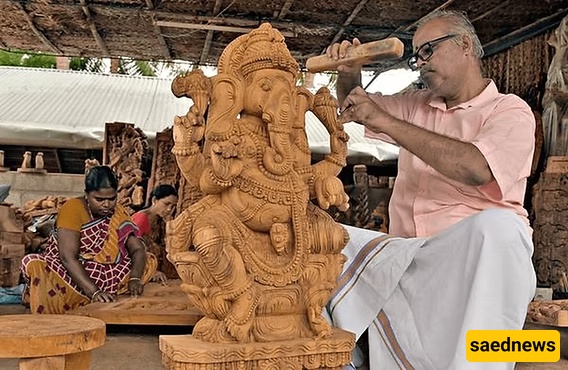
Indian woodcraft varies from region to region, often influenced by available timber and historical styles.
Kashmir is known for intricately carved walnut wood furniture
Kerala produces traditional wooden temple carvings
Gujarat and Rajasthan feature painted wooden furniture with vibrant motifs
These pieces often depict mythology, nature, and geometric patterns.
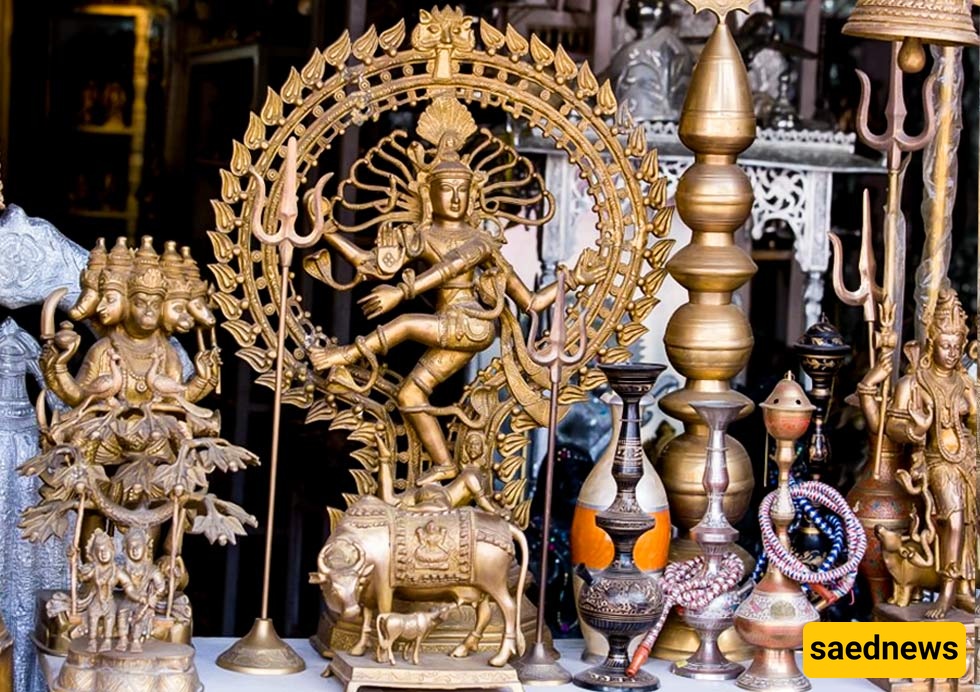
Metalwork in India includes both utilitarian and artistic creations.
Brass and copper utensils are still widely used in traditional households
Dhokra metal casting, practiced in eastern India, uses the ancient lost-wax technique
Silver jewelry from tribal regions showcases detailed handmade designs
These crafts reflect both religious symbolism and artistic mastery.
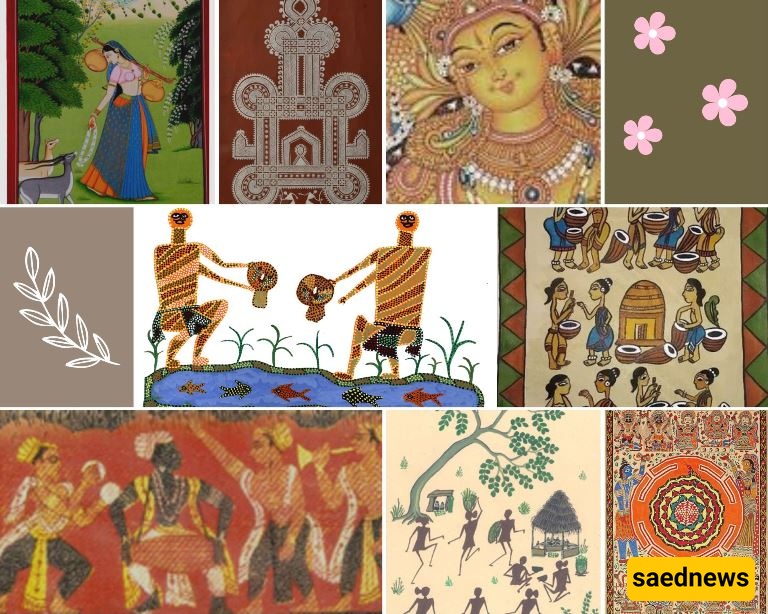
Indian folk paintings are vibrant expressions of storytelling and spirituality.
Madhubani painting from Bihar uses natural dyes and bold patterns
Warli art from Maharashtra depicts daily life using simple geometric forms
Pattachitra from Odisha and West Bengal illustrates mythological stories
Each style preserves oral traditions and local folklore.
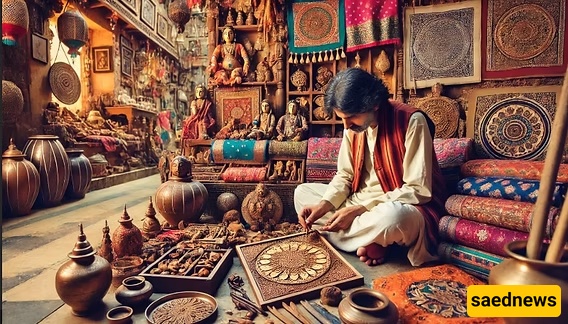
Millions of artisans across India depend on handmade crafts for their livelihood. Many work in small family-based workshops where skills are passed from one generation to the next. Despite challenges from industrial production, handmade arts remain in demand for their authenticity and cultural value.
Organizations and cooperatives now help artisans reach global markets, ensuring that traditional skills remain economically sustainable.
Despite their cultural importance, Indian handicrafts face several challenges:
Competition from machine-made products
Declining interest among younger generations
Limited access to global markets
Inconsistent income for artisans
Efforts are being made to address these issues through government initiatives, digital platforms, and cultural preservation programs.
The future of Indian handicrafts lies in balancing tradition with innovation. Designers are increasingly collaborating with artisans to create contemporary products while preserving traditional techniques. Eco-friendly materials and sustainable production methods are also bringing renewed global interest to handmade crafts.
Handmade arts of India are more than artistic expressions—they are living traditions that embody history, identity, and cultural diversity. Preserving these crafts ensures that centuries of knowledge and creativity continue to inspire future generations.