SAEDNEWS: Israeli forces reportedly entered the village of Tal near Nablus with dozens of heavy military vehicles, forcing several families from their homes while preparing to demolish the house of Palestinian Farouq Ramadan.
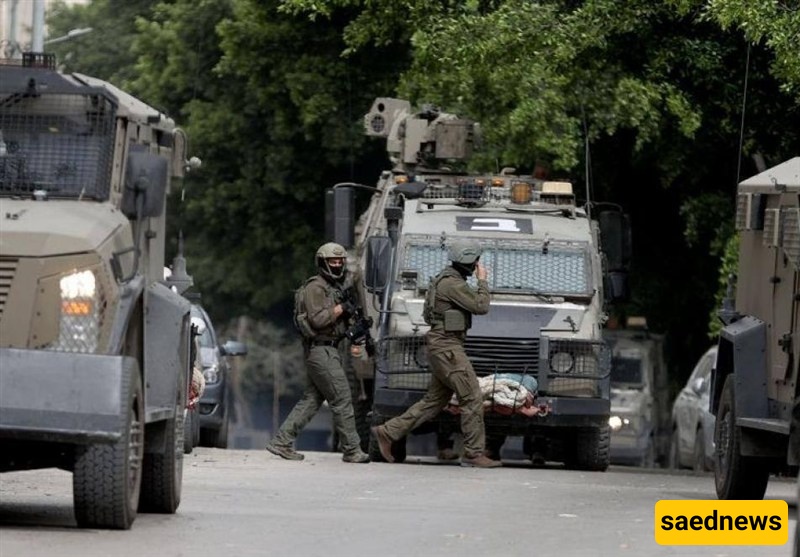
According to SaedNews: The latest wave of Israeli military operations in the occupied West Bank has once again put Palestinian families under intense pressure, with raids, arrests, property damage and forced evacuations reported across several areas.
One of the most significant incidents unfolded before dawn on Tuesday in the village of Tal, southwest of Nablus. Palestinian reports said Israeli forces entered the village with dozens of heavy military vehicles before surrounding the area and restricting movement.
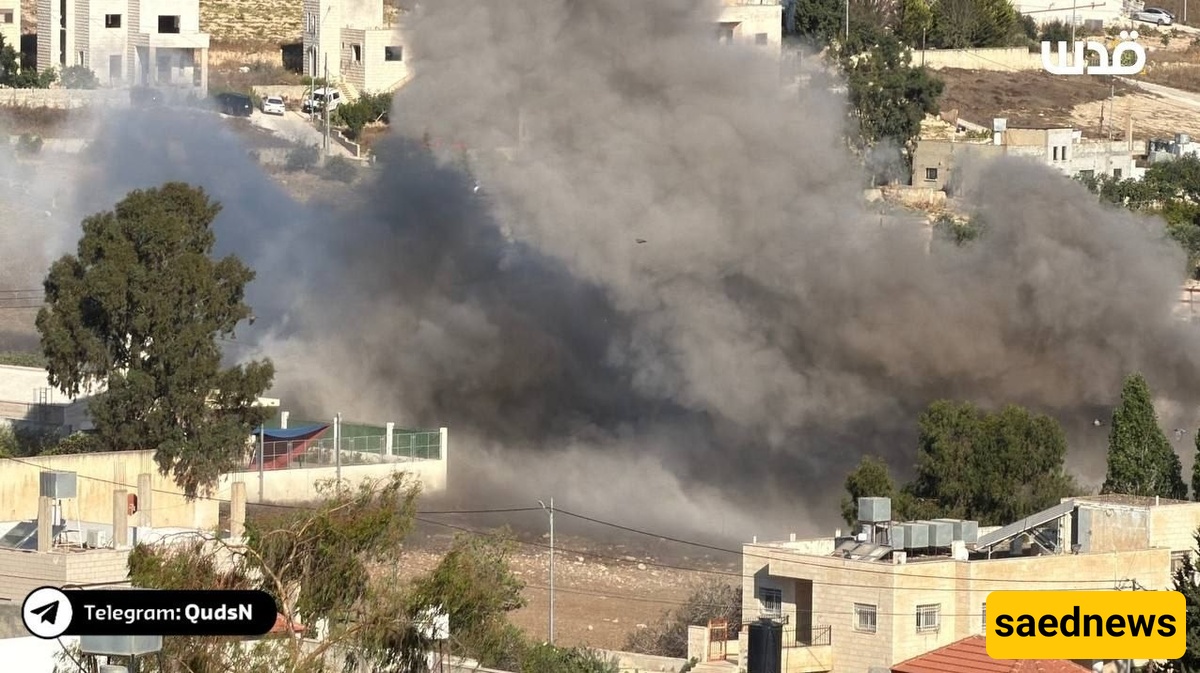
The operation quickly moved beyond searches. According to the reports, soldiers entered residential properties, inspected homes and damaged personal belongings. Several families were reportedly ordered to leave their houses as the area was prepared for the planned demolition of the home belonging to Farouq Ramadan, a Palestinian who had previously been killed in a confrontation with Israeli forces.
The demolition of the homes of Palestinians killed in clashes with Israeli forces has long been reported as part of Israel's punitive policy in the West Bank. Palestinian officials and residents describe the practice as collective punishment, arguing that the destruction of a family's home affects people beyond the individual targeted by the authorities.
For residents of Tal, the latest operation therefore carried a significance beyond a single military raid. Families were reportedly forced to leave their homes while soldiers prepared the area for an operation that could leave another residential property destroyed.
The developments were not limited to the Nablus area.
In the Al-Mughayyir area north of Ramallah, Al Jazeera reported that Israeli forces used tear gas against Palestinians in the Sahl area of the village. According to the report, soldiers fired large quantities of tear gas in an effort to disperse residents.
The use of the gas reportedly caused serious breathing difficulties among some Palestinians. Hospital and emergency sources cited in the reports also described respiratory problems and injuries associated with tear-gas exposure, adding another layer of concern for families already living amid heightened tensions.
Meanwhile, Palestinian sources reported Israeli raids in Bethlehem and in the town of Tammun, south of Tubas.
During those operations, Israeli forces reportedly entered a number of residential buildings, searched homes and carried out arrests. The precise number of people detained was not immediately available, although local sources said that several young Palestinian men were among those taken into custody.
Taken together, the incidents illustrate the breadth of the latest military activity. What began with a large-scale operation in a village near Nablus was accompanied by reports of tear gas near Ramallah and raids in the Bethlehem and Tubas areas.
The latest developments come against the backdrop of weeks of heightened tension in the West Bank. Palestinian institutions have reported increasing Israeli military operations, arrests and the destruction or seizure of homes and other properties.
According to Palestinian figures cited in the supplied report, dozens of Palestinians were detained during the previous 24-hour period, while several homes were either demolished or taken over.
The broader escalation has been particularly pronounced since October 7, 2023, when the Hamas-led attack on Israel and the subsequent war in Gaza dramatically altered the security situation across the region. Since then, Palestinian authorities and other local sources have reported a sustained increase in Israeli raids, arrests and settlement-related activity throughout the West Bank.
Palestinian officials say that hundreds of Palestinians have been killed in the West Bank since the beginning of the Gaza war, while thousands have been detained and dozens of homes have been demolished or seized. These figures and descriptions come from Palestinian institutions and should be understood in that context.
The pattern has affected numerous cities and refugee camps. Nablus, Jenin, Hebron, Ramallah, Bethlehem, Tubas and Qalqilya are among the areas repeatedly mentioned in reports of Israeli military operations. Refugee camps including Jenin, Balata, Al-Fawwar and Askar have also faced repeated raids, arrests and reports of infrastructure damage.
For residents, however, the statistics are ultimately experienced at the level of individual families: a door forced open during a nighttime search, a young man taken away for questioning, tear gas filling residential areas, or a family suddenly ordered out of its home.
That human dimension is what makes the latest events particularly significant. The operation in Tal was not simply another security incident in a long list of raids. It left families temporarily displaced while a home was reportedly being prepared for demolition. Elsewhere, residents were exposed to tear gas and others faced arrests.
As military operations continue to be reported across the West Bank, the question remains how much further the cycle of raids, arrests, demolitions and confrontation will expand. For Palestinians living in the affected communities, each new operation brings another night of uncertainty—and another reason for families to fear what may happen next.