SAEDNEWS: More than 30 female commanders and soldiers reportedly required medical treatment after developing diarrhea, vomiting and abdominal cramps at Israel’s Sde Boker air base. Training was suspended while military authorities investigated the outbreak and ordered medical examinations.
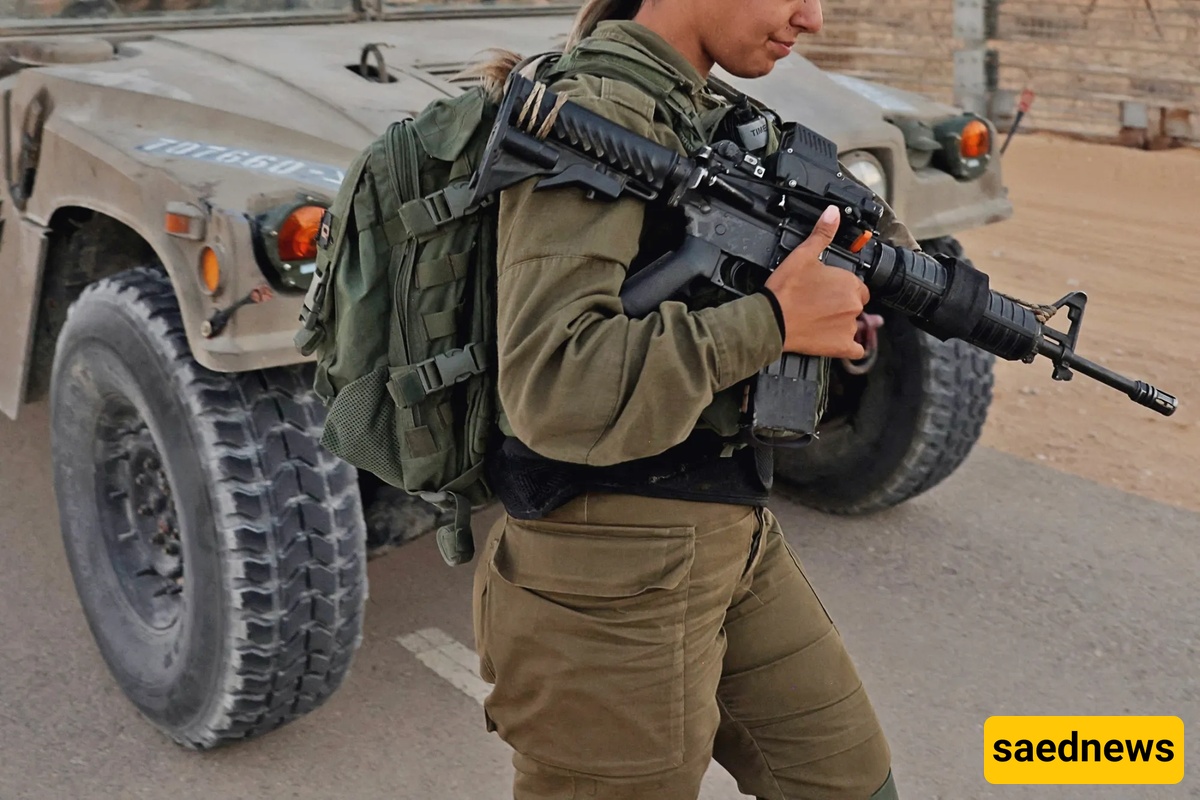
According to SaedNews: A sudden health scare at an Israeli military air base has disrupted training after more than 30 female commanders and soldiers reportedly developed symptoms including diarrhea, vomiting and severe abdominal cramps.
The cases were reported at Sde Boker air base, where female service members were undergoing training. According to Israel Hayom, the affected personnel were transferred to hospitals in recent days after becoming ill.
The situation escalated enough for military authorities to suspend scheduled exercises on Monday. Senior commanders reportedly ordered that training activities remain halted until personnel could undergo medical examinations.
The decision has raised questions about what caused the illness and whether the cases are connected.
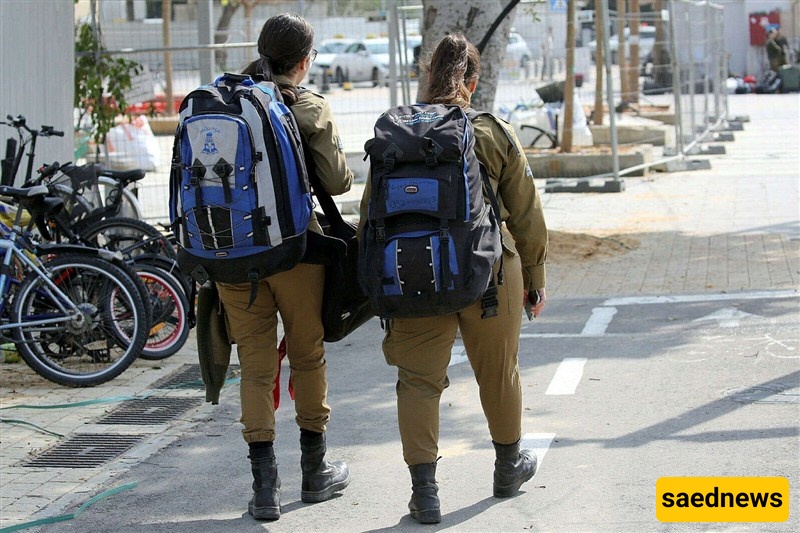
According to the report, additional people were identified as suffering from similar symptoms during medical examinations. That development added another layer of concern for commanders attempting to determine whether the outbreak was isolated or more widespread within the base.
One source familiar with the situation told the Israeli newspaper that medical examinations were a condition for resuming the military exercises. The immediate priority, according to the report, was therefore to determine the condition of those at the base before normal training could continue.
The situation was also reflected in the movement of personnel away from the facility. A minibus carrying female soldiers experiencing similar symptoms reportedly left the base for a local clinic to receive treatment.
The transfer of additional personnel for medical care came as the military was already dealing with the suspension of training, highlighting the seriousness with which the reported outbreak was being treated.
Sde Boker is not simply a temporary stop for military personnel. The base generally hosts conscripts from security units for a week of training designed to familiarize them with military service and provide basic instruction.
The base has also taken on additional responsibilities in recent months. According to the report, some training activities that would normally be conducted at Ovda air base have been moved to Sde Boker because various restrictions have limited the ability to hold certain exercises at the southern facility.
That expanded role makes the health situation particularly significant because a disruption at the base can affect more than one group of trainees.
The most striking part of the report, however, comes from the account of a female Israeli soldier who had been at the base in recent weeks. Speaking to Israel Hayom, she alleged that the kitchens were dirty and infested with insects and cockroaches.
Her comments do not establish the cause of the illness, but they have intensified questions over whether food preparation or sanitation conditions could have played a role.
According to the soldier, symptoms among personnel began appearing several days before the training was suspended. Since then, military officials have reportedly been examining the possibility that the base kitchen could be connected to the outbreak.
That possibility remains an investigation rather than a confirmed explanation. The reported symptoms—particularly vomiting, diarrhea and abdominal pain—are consistent with a range of illnesses, meaning that determining the actual source requires medical assessment and further investigation.
For the military, the immediate response has been precautionary: halt training, examine personnel and provide treatment to those who need it.
The episode also places attention on the conditions in which young service members spend their training periods. A base expected to accommodate personnel for concentrated periods of instruction must maintain basic standards of hygiene and food safety, particularly when large numbers of soldiers share the same facilities.
At this stage, the available report does not establish whether contaminated food, poor sanitation, an infectious illness or another factor caused the cases. It does, however, indicate that the number of affected personnel was serious enough to trigger a suspension of training and additional medical checks.
The investigation at Sde Boker will therefore be closely watched for one key answer: what caused so many soldiers to become sick within such a short period?
Until medical examinations provide that answer, the kitchen remains only one possible source—not a proven one. For the soldiers and commanders at the base, however, the priority is immediate and straightforward: identify the cause, treat those who are ill and determine when it is safe for training to resume.
The incident is likely to fuel further discussion about military living conditions and health safeguards, particularly if investigators ultimately confirm a link between the reported outbreak and facilities inside the base.