SAEDNEWS: In Iran, May 18th is observed as the National Day of Omar Khayyam, the celebrated Persian polymath known for his contributions to literature, mathematics, and astronomy.
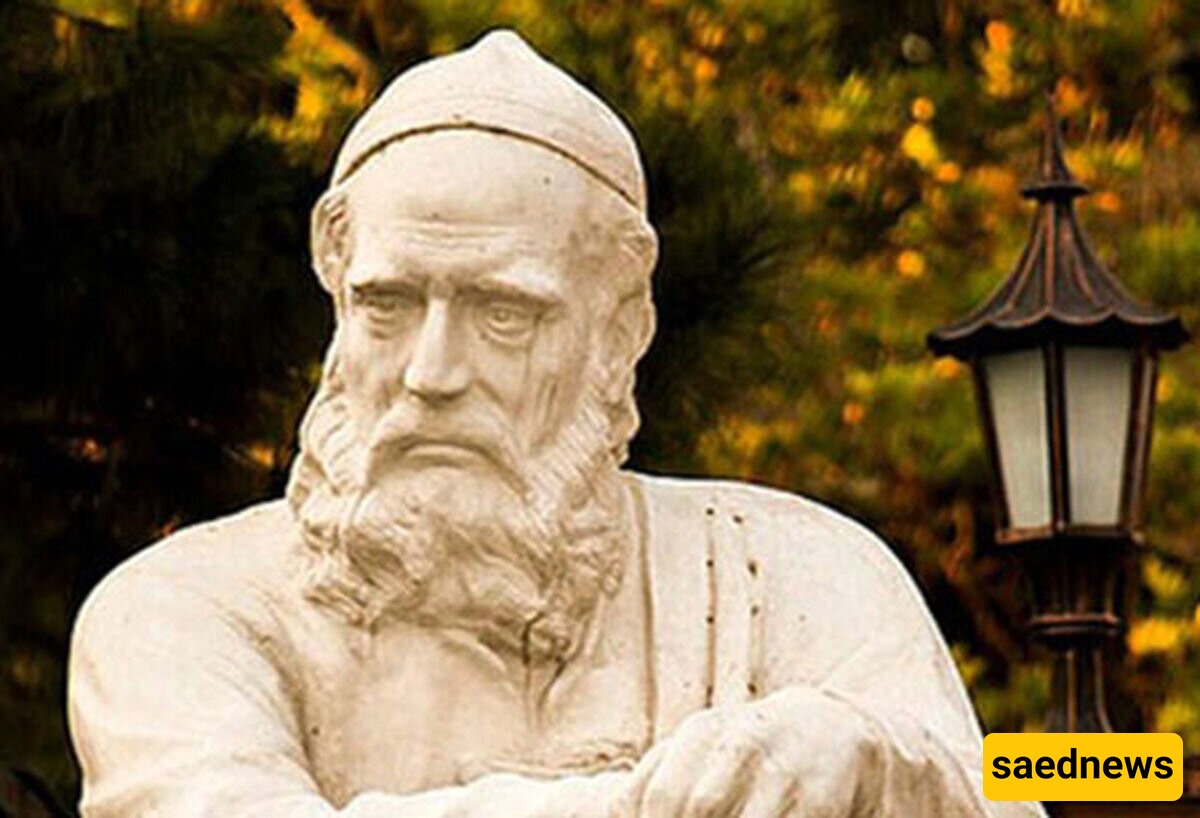
According to SAEDNEWS: Khayyam was born in Neyshabur, an Iranian city in Khorasan, the cradle of knowledge and science. He moved to other cities and worked as a mathematician and astronomer of the medieval period, Mehr news agency wrote.
The celebration honors Khayyam's contributions to literature, science, and mathematics, recognizing his global influence. The repeated emphasis on May 18 across the search results underscores the importance of this date for commemorating the esteemed figure.
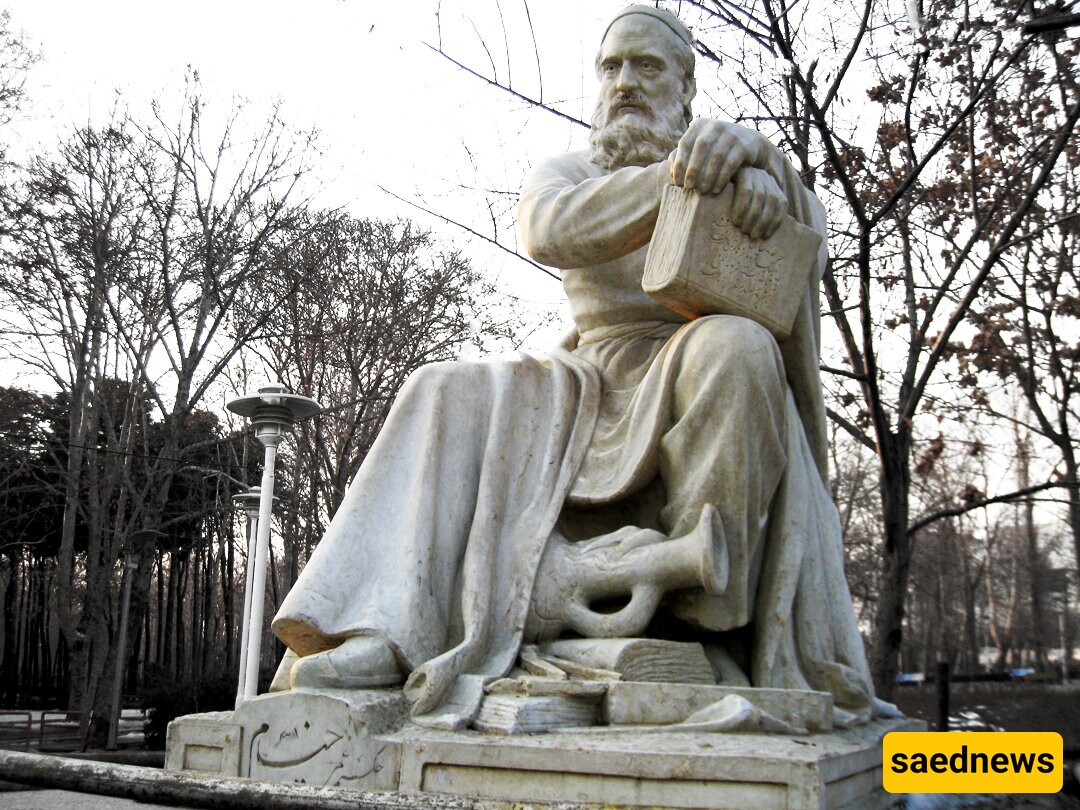
His Rubaiyat (quatrains) are renowned worldwide for their depth, wit, and exploration of existential themes, influencing both Persian and global literature.
Khayyam made significant advancements in calendar reform, notably contributing to the development of the Jalali calendar, which was very accurate for its time.
He worked on algebra, including solutions to cubic equations, and contributed to the development of geometric methods.
His poetry often reflects themes of skepticism, the transient nature of life, and the pursuit of joy amid life's fleetingness.
Khayyam's enduring legacy stems from his profound contributions to diverse fields: his globally acclaimed Rubaiyat, famed for their wit and existential themes; his significant role in developing the highly accurate Jalali calendar; and his advancements in algebra and geometry, including solutions to cubic equations.
A keen observer of the human condition, his poetry reflects the transience of life and the pursuit of joy.
Khayyam’s work, blending scientific rigor with artistic expression, solidifies his position as a true Renaissance man.
The National Day serves as an inspiration, encouraging contemporary scholars and artists to emulate his interdisciplinary approach and reflect on his profound impact on multiple disciplines across generations, reminding us that the combined pursuit of knowledge and beauty leaves an indelible mark on the world.
Omar Khayyam was a Persian polymath, philosopher, mathematician, astronomer, and poet. He also wrote essays on mechanics, geography, mineralogy, music, and Islamic theology.
He is also one of the most important writers of algebra, in addition to philosophy.
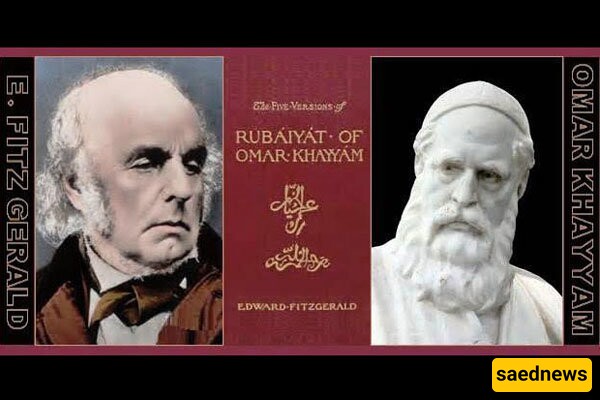
In Europe, Edward Fitz Gerald (1809–1883) rendered Khayyam’s quatrains in English, which have become popular among different generations of readers since then.
He passed away in Neyshabur and was buried in the city, where his mausoleum is a masterpiece of Islamic-Iranian architecture, and it is visited by many people every year.
Khayyam's influence extends far beyond his scientific achievements. His Rubaiyat, though popularized in the West through Edward FitzGerald's interpretation, offers profound reflections on life, death, and the search for meaning.
These verses, often tinged with a melancholic acceptance of fate, invite readers to contemplate the ephemeral nature of existence and to savor the present moment.
While the exact number of quatrains definitively attributable to Khayyam remains a subject of scholarly debate, the enduring appeal of the Rubaiyat lies in its universal themes.
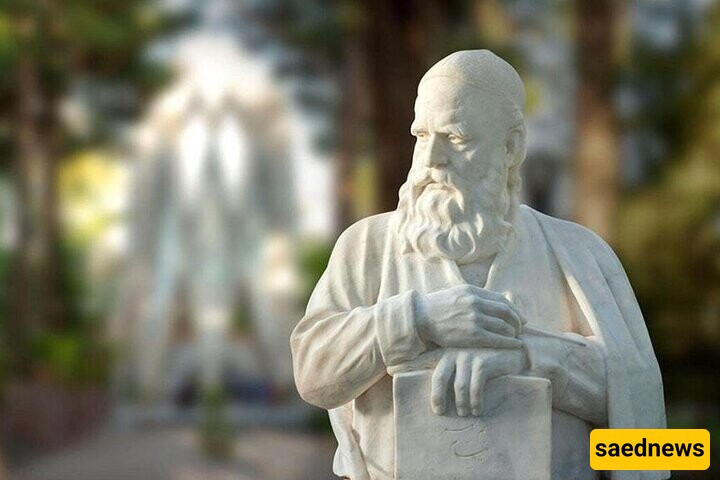
The poems grapple with questions that have resonated across cultures and centuries, exploring the mysteries of the universe, the limitations of human knowledge, and the allure of earthly pleasures.
His contributions to mathematics, particularly in algebra, were revolutionary for his time. He provided geometric solutions to cubic equations, anticipating later developments in algebraic geometry. His work on the parallel postulate also laid the groundwork for non-Euclidean geometry.
Omar Khayyam stands as a towering figure of the medieval period, a testament to the flourishing intellectual landscape of Persia during the Seljuk era.
His legacy as a scholar, a poet, and a philosopher continues to inspire and captivate those who seek wisdom and beauty in equal measure.
His tomb in Neyshabur serves as a tangible reminder of the enduring power of his contributions to human knowledge and artistic expression.