SAEDNEWS: Rayen Citadel in Kerman, the second-largest adobe structure in the world, is a remarkable legacy of the Sassanian era that attracts thousands of visitors every year.
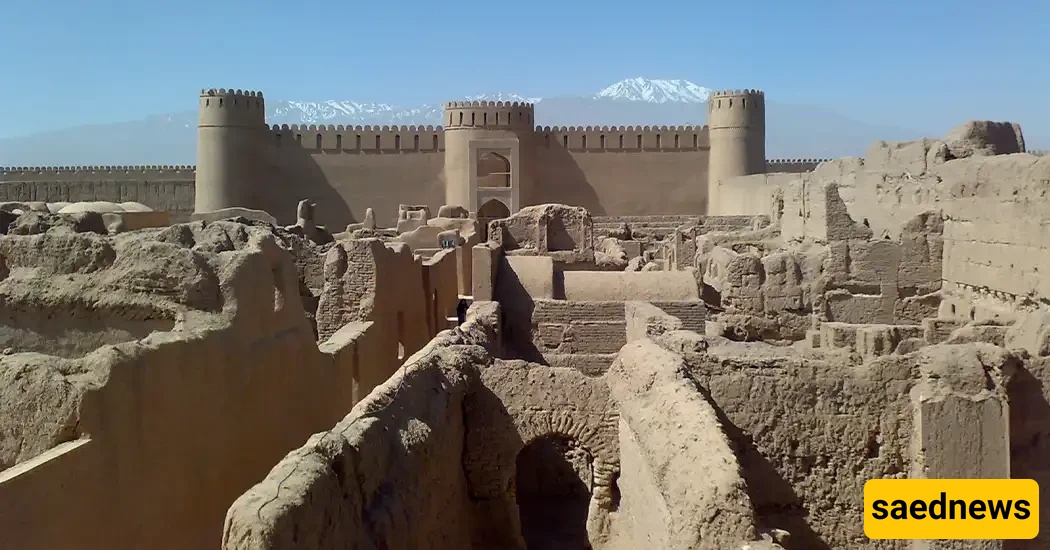
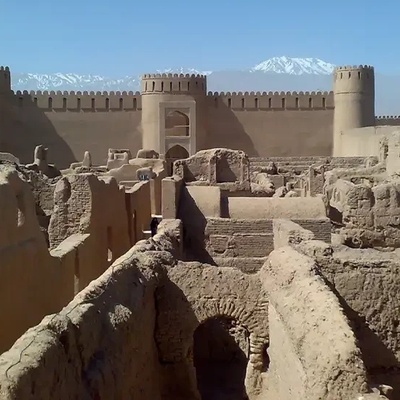
According to Saednews, Among the remarkable structures left from the Sasanian era, Rayen Citadel in Kerman stands out as one of Iran’s most impressive historical monuments. Located in the desert city of Rayen, it is widely recognized as one of the largest adobe structures in the world. Its remarkable size, architecture, and history attract visitors from different parts of the world each year.
Rayen is a historic city in Kerman Province and one of Iran’s desert destinations. The city is known for its historical monuments and its former importance as a center for trade and commerce. As visitors enter Rayen, they encounter numerous historic structures, including Rayen Citadel, a fortress whose appearance and design are reminiscent of the famous Bam Citadel.
Rayen Citadel covers approximately 22,000 square meters, with an additional surrounding protected area of about 44,000 square meters. At one time, the citadel functioned almost like a complete city. One of its original purposes during the Sasanian period was to protect the local population. Members of the ruling and wealthy classes also lived within the fortress.
Throughout its long history, Rayen Citadel managed to withstand attacks and remained a strong defensive structure during various conflicts.
The citadel shares many architectural similarities with Bam Citadel, which is also located in Kerman Province. Its adobe construction, architectural style, and overall appearance reflect some of the same traditions, although Rayen Citadel is considerably smaller.
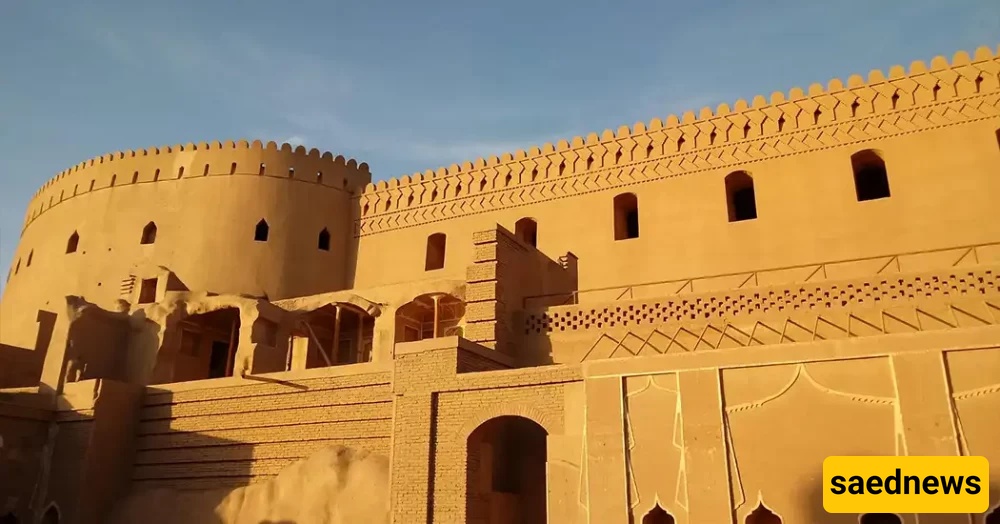
Today, several sections of Rayen Citadel have been restored and preserved. Visitors can explore different parts of the complex, including its historic bazaar, fire temple, residential areas, and other structures.
Historical accounts indicate that people continued to live inside the citadel until roughly 150 years ago. Over time, however, many residents moved to Rayen and Kerman as the houses inside the fortress deteriorated.
The origins of Rayen Citadel date back to the Sasanian period. Its strategic location gave it considerable commercial importance, making it an attractive target for potential attackers.
During the period of Nader Shah’s rule, Mirza Hossein Khan Rayeni governed the citadel. Later, during the Zand dynasty, Mohammad Ali Khan took control of it. These rulers, along with their relatives and associates, lived within the fortress.
Merchants, farmers, craftsmen, and people from various other professions also lived and worked there.
The citadel also played an important role in trade. Commercial caravans used it as a place to travel through, rest, and conduct business. As a result, Rayen became an important center for the exchange of various goods, particularly textiles.
In earlier periods, the area was also known as an important center for producing metal goods such as swords, knives, and firearms.
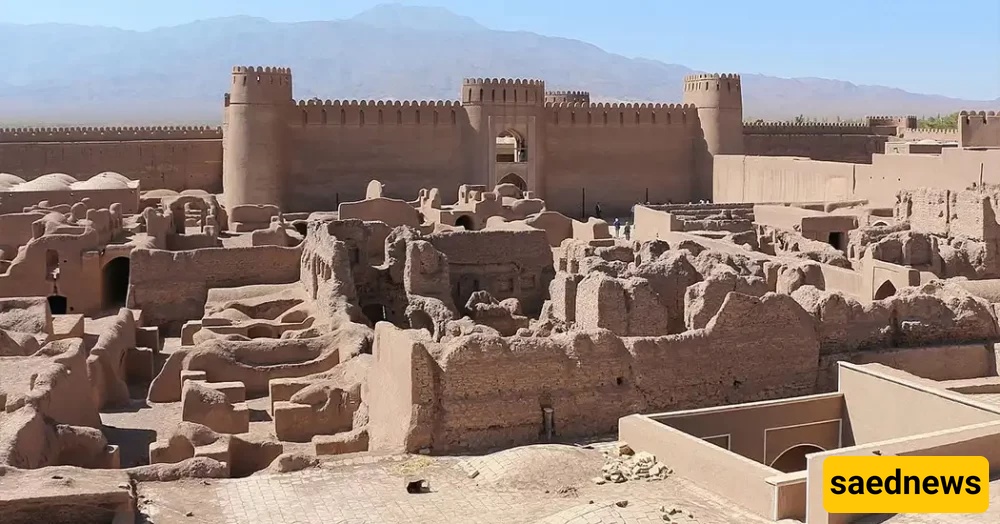
Rayen Citadel demonstrates a sophisticated combination of defensive design and traditional adobe architecture. The fortress has a roughly square layout with several towers positioned around its perimeter.
Inside the citadel are passageways leading to different buildings. Four main corridors and four major buildings form important parts of the complex, each with its own architectural characteristics.
The outer walls are approximately 10 meters high and 5 meters wide. There is a main entrance on the eastern side, which historically served as both the entrance and exit.
Above the entrance is a guard post. A small square opening allowed guards to observe the surrounding area and monitor activity around the fortress.
Metalworkers and other craftsmen involved in producing tools and equipment traditionally operated near the entrance area.
A moat approximately 154 meters long was constructed around sections of the southern, southeastern, and eastern sides of the citadel. It served both defensive purposes and helped channel water and floodwaters away from the fortress.
From outside, visitors can see 12 defensive sections built at different dimensions. These structures were particularly important during times of conflict. The crenellations along the walls provided positions for archers.
Rayen Citadel contains 16 towers positioned at the corners and along the inner and outer walls. Fifteen of them were associated with the interior and exterior sections of the fortress, while one main tower served an important signaling and communication function.
The towers are generally two stories high and feature stairways on both sides. Small openings in their walls were used by defenders for observation and archery during battles.
The towers were constructed primarily from adobe bricks and traditional layers of compacted earth.
The interior of the citadel is equally impressive. The complex was divided into three main sections and contained numerous residential buildings.
Many of the houses were intended for rulers, nobles, and their families, although ordinary residential neighborhoods also existed within the fortress. Remains of these areas can still be seen today.
Different sections of the citadel were connected and separated by traditional spiral stairways made from mud and adobe.
Visitors can also see narrow adobe streets and historic facilities such as a traditional school and a zurkhaneh, the traditional Iranian house of strength associated with ancient forms of physical training.
Many of the buildings were constructed over two or three levels. Among the most notable structures is the beautiful octagonal pavilion, along with the ruler’s residential area.
Exploring Rayen Citadel can easily occupy a significant part of a visit, but several attractions in the surrounding area are also worth seeing.
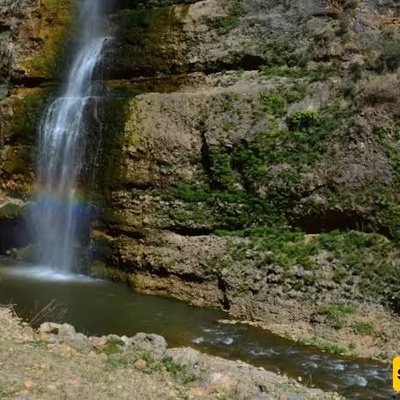
Rayen Waterfall, also known as Zar Rud, is one of the natural attractions near the citadel. It is located on the slopes of Mount Hezar.
Another nearby destination is Gishigan, a beautiful summer village located approximately 30 kilometers from Rayen. The village is known for its pleasant climate and attractive scenery.
Jameh Mosque of Rayen, located in the city’s main square, is another historic attraction with a long history.
Several other historic mosques can also be found in the surrounding area, making Rayen an appealing destination for visitors interested in Iran’s architectural and cultural heritage.
Rayen Citadel is located approximately 105 kilometers southwest of Kerman, at the foothills of Mount Hezar. Within Rayen, it can be reached via Imam Street and then Hospital Street.
Rayen Citadel is generally open to visitors on most days, except for official mourning and commemoration days.
Typical visiting hours are from around 9:00 AM to 7:00 PM. Spring and autumn are considered particularly pleasant seasons to visit because of the more comfortable weather.
An entrance fee is charged, with different rates potentially applying to domestic and international visitors. Fees may change from year to year, so visitors should check the current admission price before traveling.
Rayen Citadel offers a fascinating glimpse into Iran’s architectural and cultural heritage, combining a massive adobe fortress, historic residential quarters, traditional craftsmanship, and sophisticated defensive structures in one remarkable complex.