SAEDNEWS: From the Winter Palace to Peterhof and Livadia, the Romanov palaces embody the power, art, and wealth of three centuries of the Russian Empire. Today, these magnificent landmarks attract millions of visitors as UNESCO World Heritage sites.
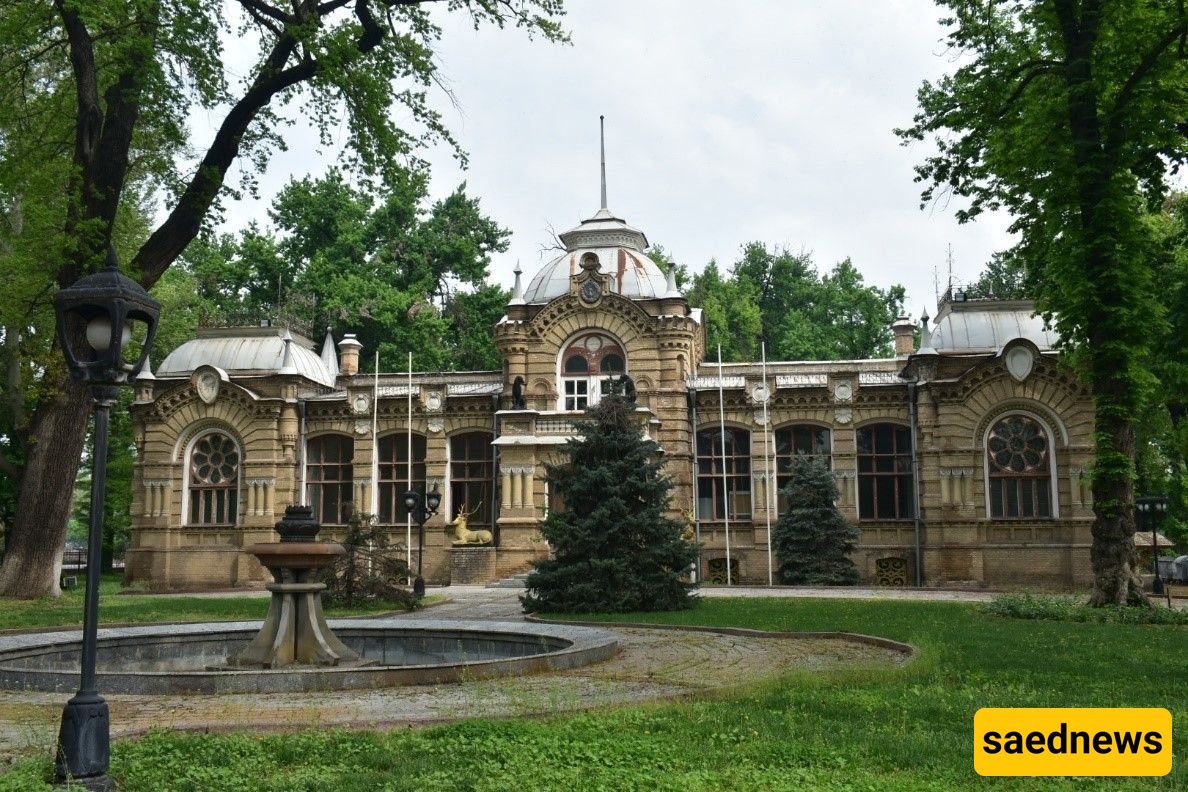
According to Saednews, From 1613 to 1917, the Romanov dynasty ruled Russia for more than three centuries. During this period, the dynasty commissioned some of the most magnificent palaces in the world. These royal residences were more than homes for the aristocracy; they represented absolute power, immense wealth, and the Romanovs’ political influence across Europe and Asia.
During the early years of Romanov rule, the dynasty primarily used relatively simple wooden palaces in Moscow and surrounding areas. However, the accession of Peter the Great in the late 17th century ushered in a sweeping era of modernization and Europeanization.
Peter moved Russia’s capital from Moscow to St. Petersburg and invited Italian, French, and German architects to create a city that could rival the grandeur of Versailles and Amsterdam.
From that point onward, the Romanov palace-building tradition became a distinctive blend of Italian Baroque, French Classicism, and traditional Russian elements. Each ruler sought to commission a palace more impressive than that of their predecessor, using architecture to demonstrate Russia’s strength both at home and abroad.
This architectural competition produced extraordinary complexes that are now considered among the world’s most remarkable historic sites, from the immense Winter Palace to Catherine Palace and its legendary Amber Room.
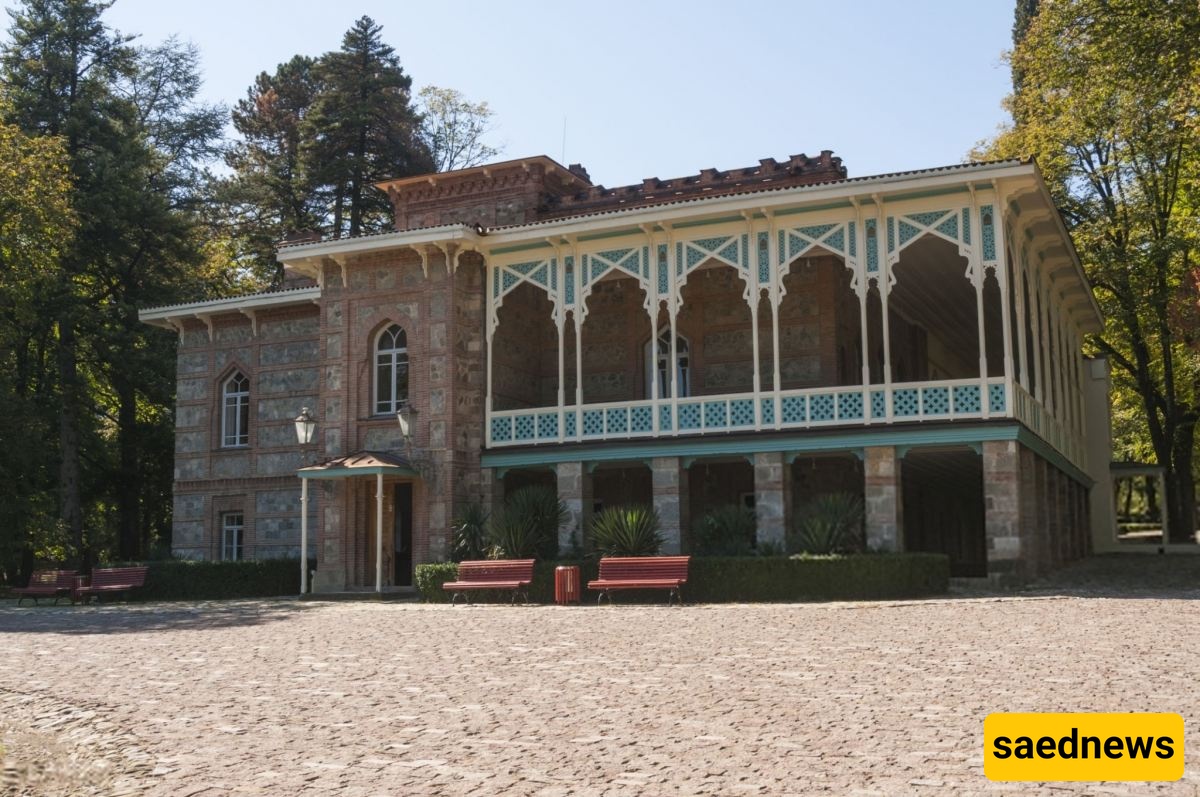
Located in the heart of St. Petersburg, the Winter Palace is the most famous of the Romanov palaces. It was built between 1754 and 1762 on the orders of Empress Elizabeth Petrovna, the daughter of Peter the Great. The Italian architect Bartolomeo Rastrelli designed the palace in the Late Baroque style, giving it its distinctive green-and-white façade.
The palace contains more than 1,000 rooms and covers an area of nearly 230,000 square meters. It originally served as the principal winter residence of the Russian rulers. Under Catherine the Great, however, it also became a center for collecting works of art. Today, the palace forms part of the Hermitage Museum, which houses more than three million works of art and cultural artifacts.
Among its most important interiors are the Jordan Staircase, the Grand Throne Room, and the Military Gallery of 1812. Although the Winter Palace suffered damage during revolutions and wars, extensive restoration has transformed it into one of the world’s most celebrated tourist attractions.
On the outskirts of St. Petersburg, Catherine Palace stands in the town of Pushkin. Also known as the Great Catherine Palace, it is one of the finest examples of Russian Baroque architecture. The palace was developed in the 18th century as a summer residence for Russian monarchs.
Its sky-blue exterior, lavish gilding, and white columns create a spectacular appearance. Yet the palace’s most famous attraction is the Amber Room, whose walls were decorated with golden amber panels and large mirrors. It became known as the “Eighth Wonder of the World.”
The room was originally presented to Peter the Great by the King of Prussia and was later installed at Catherine Palace. During World War II, German forces removed the amber panels, and the original room disappeared. Despite extensive searches, the original panels have never been recovered. In 2003, a reconstructed version of the room was unveiled after years of work and an estimated cost of more than $12 million.
Today, visitors come from around the world to admire its remarkable golden glow.
Catherine Palace also features an ornate chapel and an extensive landscaped park with artificial lakes, making the estate a popular destination for both architecture enthusiasts and nature lovers.
Often called the “Russian Versailles,” Peterhof is a spectacular complex of palaces, gardens, and fountains on the shores of the Gulf of Finland. Peter the Great conceived the estate following Russia’s victory over Sweden in the Great Northern War, intending it to demonstrate the country’s growing power.
At the center of the complex stands the Grand Peterhof Palace, a magnificent two-story building influenced by French classical architecture.
What truly distinguishes Peterhof, however, is its extraordinary fountain system. The fountains operate without electric pumps, relying instead on the natural slope of the land and principles of water pressure. More than 150 fountains and four decorative cascades create a spectacular landscape throughout the Lower Park.
The most famous fountain is the Samson Fountain, which depicts Samson tearing open a lion’s jaws while a powerful jet of water rises nearly 20 meters into the air. The sculpture symbolizes Russia’s victory over Sweden at the Battle of Poltava.
During World War II, German forces almost completely destroyed Peterhof. Soviet restorers later reconstructed the complex using surviving photographs, plans, and historical records, bringing much of its former grandeur back to life.
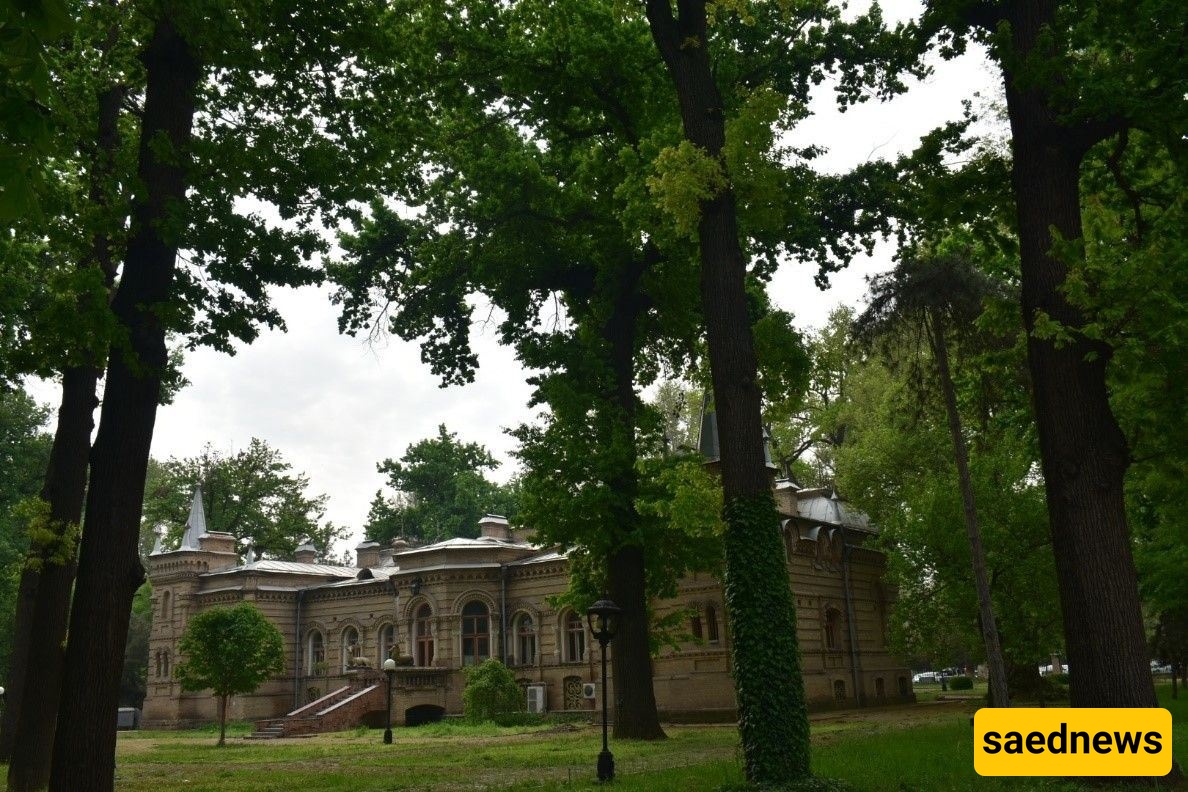
The Romanov palaces were not limited to St. Petersburg. The tsars also established luxurious summer residences in the warmer southern regions, particularly Crimea.
Livadia Palace was completed in 1911 as the summer residence of Nicholas II, the last Russian emperor. Unlike the imposing palaces of northern Russia, Livadia features a lighter Mediterranean-inspired design, with white walls and Ionic columns.
In 1945, the palace became the site of the Yalta Conference, where Joseph Stalin, Franklin D. Roosevelt, and Winston Churchill discussed the postwar international order.
Massandra Palace, located near Yalta, was also associated with the Romanov court and was used as a hunting retreat. Its mountainous setting and castle-like appearance made it particularly appealing to the Russian aristocracy.
After the fall of the monarchy, many southern palaces were converted into sanatoriums and workers’ retreats. Their later history became closely connected with the political changes surrounding Crimea.
Romanov palaces were designed to display luxury down to the smallest detail. Parquet floors were crafted from rare woods such as rosewood, ebony, and mahogany and arranged in intricate geometric patterns.
Ceilings were decorated with mythological frescoes and elaborate gold ornamentation. Enormous crystal chandeliers were imported from European workshops, while many halls featured marble fireplaces made from stone quarried in the Ural Mountains.
Another striking feature was the use of mirrored halls. Thousands of carefully arranged mirror panels created endless reflections and multiplied the effect of natural and artificial light.
Furniture was commissioned from some of the finest craftsmen in France and Germany, while porcelain objects came from the Imperial Porcelain Factory in St. Petersburg.
The private libraries of the tsars contained rare manuscripts, books, and geographical maps, many of which are still displayed in museum collections today.
In many respects, virtually every room and corridor in these palaces can be considered a work of art in its own right.
The October Revolution of 1917 brought an end to Romanov rule. The imperial family was eventually executed in Yekaterinburg, while the Bolshevik government nationalized the property of the former monarchy.
Many palaces were looted, while furniture and artworks were sold, relocated, or distributed among newly established museums.
During the 1930s, however, the Soviet authorities increasingly recognized the cultural and artistic importance of these historic estates. Many palaces were subsequently converted into public museums.
Although the Soviet regime rejected the political legacy of the tsars, preserving their former residences helped save many of these architectural treasures from complete destruction.
World War II caused enormous damage to several palace complexes, particularly those around St. Petersburg. Extensive restoration programs began after the 1950s and have continued for decades.
Today, several of the historic palace complexes around St. Petersburg, including the Winter Palace, Catherine Palace, and Peterhof, form part of the Historic Centre of Saint Petersburg and Related Groups of Monuments, a UNESCO World Heritage Site.
The preservation of these remarkable estates has transformed them from symbols of imperial authority into internationally recognized cultural landmarks, allowing millions of visitors to experience the extraordinary artistic legacy of the Romanov era.