SAEDNEWS: The World’s Most Beautiful Straits
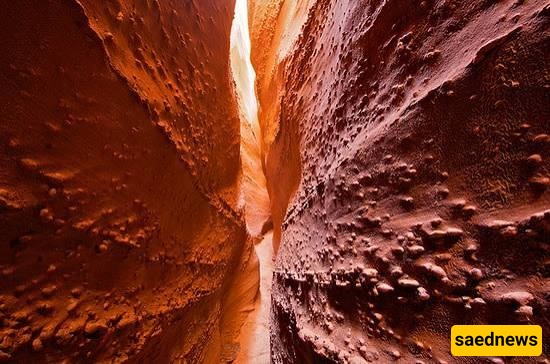
According to Saednews, Canyons are among nature’s most spectacular and colorful formations. They generally come in two forms: deep and wide, or deep and narrow. Some are so tight that visitors have to squeeze through narrow passages, while others can be explored on foot with relative ease. Most of these remarkable landscapes were shaped over centuries by the erosive power of water.
While some canyons are accessible only to experienced climbers and hikers, others are suitable for ordinary visitors. Here are 10 extraordinary canyons from around the world.
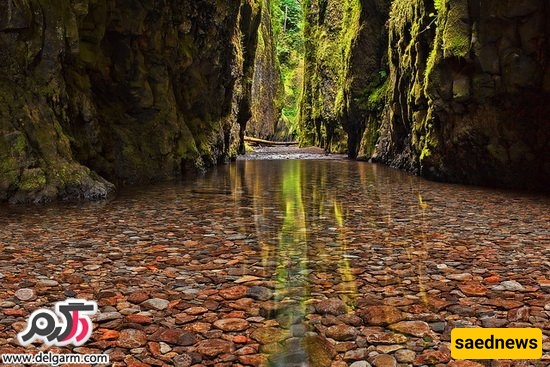
Located east of Portland, Oregon, Oneonta Gorge was shaped by the region’s powerful waterfalls and waterways. The round-trip hike is relatively short, covering approximately 1.9 kilometers.
Much of the route follows a shallow stream, so visitors should expect to walk through water in places. Along the way, they can admire ancient basalt walls, some dating back millions of years, as well as the gorge’s distinctive plant life.
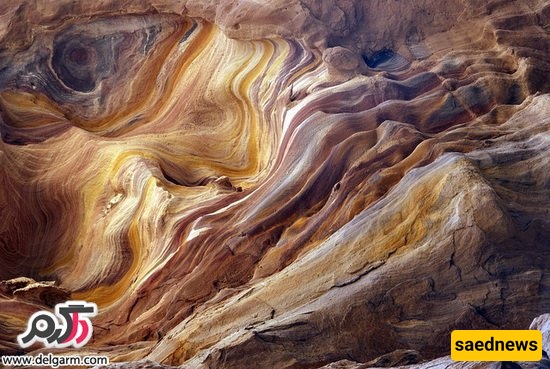
Located in Egypt, the Colored Canyon is famous for its extraordinary geological formations and vividly colored rock walls.
The canyon contains layers of sandstone, limestone, basalt, and granite, creating striking patterns and shades throughout the landscape. Its name comes from the colorful appearance of its rock formations.
Exploring the canyon involves hiking for roughly half a mile, with some sections requiring visitors to climb over or slide between rocks.
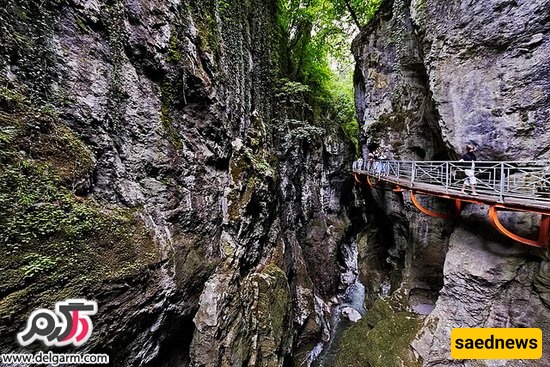
Gorges du Fier in France offers one of the easiest ways to experience a dramatic canyon. Visitors can explore the gorge using a walkway built above the river below, allowing them to travel through much of the canyon without difficult climbing.
Information panels along the route explain the geological formation of the gorge, historical water levels, and other interesting features. However, people who are uncomfortable with heights may find parts of the walkway challenging.
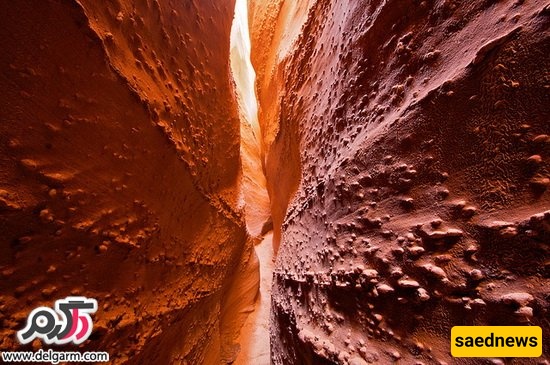
Spooky Gulch in Utah is definitely not ideal for people who dislike confined spaces. The canyon contains extremely narrow passages, some of which are so tight that visitors have to squeeze their way through.
Although the entrance initially appears relatively spacious, the canyon quickly becomes much narrower. In several sections, even average-sized hikers may find the passage difficult. Some areas are also very dark, adding to the adventurous nature of the experience.
Located in Western Australia, Weano Gorge is known for its dramatic scenery and rugged rock formations.
The gorge winds between steep, jagged cliffs before opening into a wider landscape. A small pool lies within the canyon, and reaching it requires navigating several challenging sections.
After making the journey through the gorge, visitors are rewarded with a beautiful stretch of cool water surrounded by colorful rock walls.
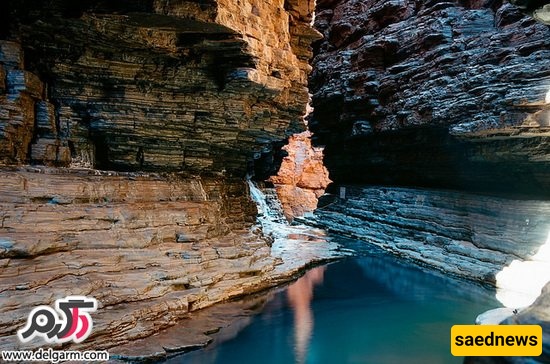
Buckskin Gulch in southern Utah is considered one of the longest and deepest slot canyons in the world. It is not recommended for inexperienced hikers because exploring the entire canyon can take around two days.
Visitors should be prepared for long sections of walking and wading through water, as well as the possibility of swimming in deeper areas.
Despite the demanding conditions, the canyon’s intricate rock patterns and spectacular formations make the journey particularly memorable.
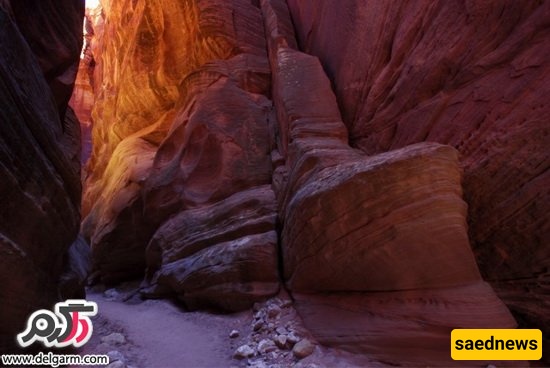
Echidna Chasm, located in Western Australia, requires nearly two kilometers of hiking to reach. Its towering walls are renowned for their vibrant colors and dramatic patterns.
The appearance of the canyon changes throughout the day as sunlight creates constantly shifting contrasts of light and shadow across the rocks.
Echidna Chasm is situated within the Bungle Bungle Range, one of Australia’s most remarkable landscapes and a popular destination for hiking and exploration.
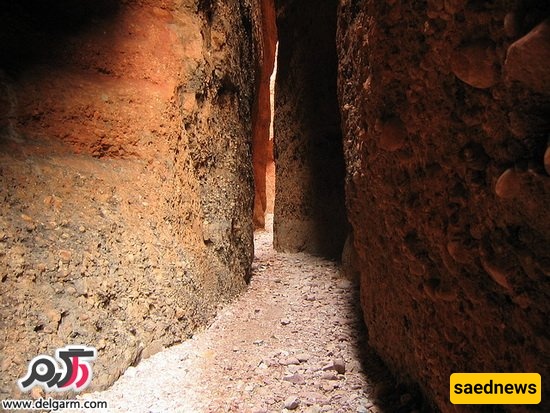
Subway Canyon is located in Zion National Park in Utah and is famous for its unusual rock shapes, vibrant colors, and flowing water.
Reaching the canyon involves hiking, sections of scrambling, swimming through cold water, and prolonged wading. The section often featured in photographs represents only a small part of the canyon.
Its close-fitting walls, distinctive rock colors, and flowing stream combine to create one of the most visually striking canyon landscapes.
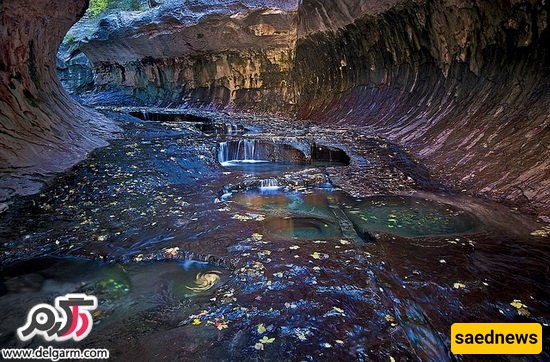
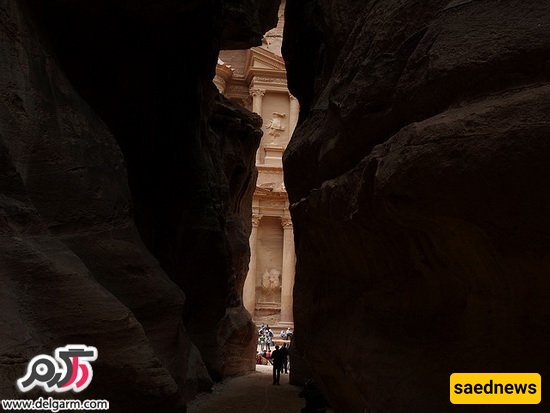
Walking through the Siq in Jordan feels like stepping into the past. This spectacular natural passage serves as the main entrance to the ancient city of Petra.
Unlike many canyons primarily carved by flowing water, the Siq was largely formed through geological and tectonic processes.
Its towering walls and narrow passageway create a dramatic approach to one of Jordan’s most famous archaeological sites.
Antelope Canyon in northern Arizona is one of the world’s most recognizable slot canyons. It is divided into two main sections, commonly known as Upper Antelope Canyon and Lower Antelope Canyon.
The canyon is famous for its flowing sandstone walls, rich red and orange tones, and extraordinary patterns created by erosion. These features have made it a favorite destination for photographers.
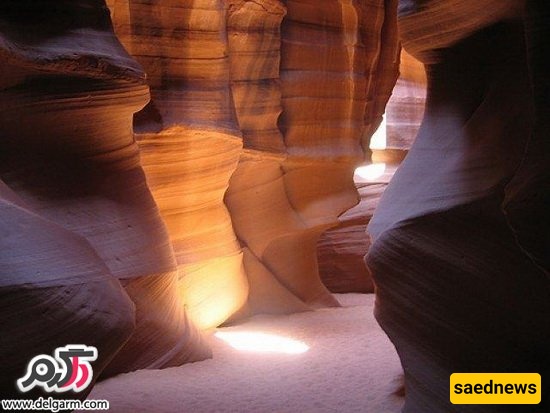
Upper Antelope Canyon is relatively easy to access because it is located close to ground level and does not require strenuous climbing. Lower Antelope Canyon traditionally involved more climbing and maneuvering, although stairways and fixed routes now make access easier.
With its sculpted walls and dramatic interplay of light and shadow, Antelope Canyon offers a remarkable example of how wind and water can transform sandstone into natural works of art.