SAEDNEWS: Light, shadows, weather, and human activity can dramatically change how the same destination looks and feels throughout the day.
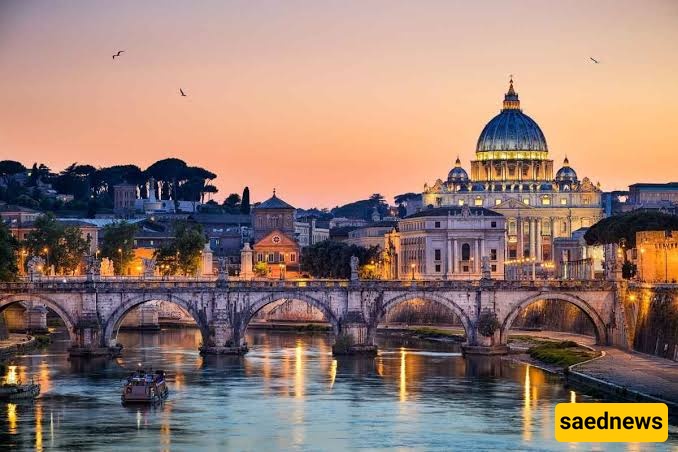
According to SAEDNEWS, a familiar destination can appear surprisingly different depending on when you visit. A historic square may look bright and spacious in the morning but warmer and more dramatic near sunset, while a natural landscape can shift from crisp and detailed to hazy or softly illuminated within a few hours.
The most obvious factor is sunlight. The sun's position changes continuously, altering the direction, intensity, and color of light falling on buildings, mountains, streets, and other features. Morning and late-afternoon sunlight generally arrives from a lower angle, creating longer shadows and stronger contrasts. Around the middle of the day, the higher sun can produce shorter shadows and more direct illumination.
This can change the visual character of architectural details. Textures, balconies, stonework, trees, and other surfaces may become more noticeable when shadows emphasize their shapes. At other times, stronger or more direct light can make the same features appear flatter.
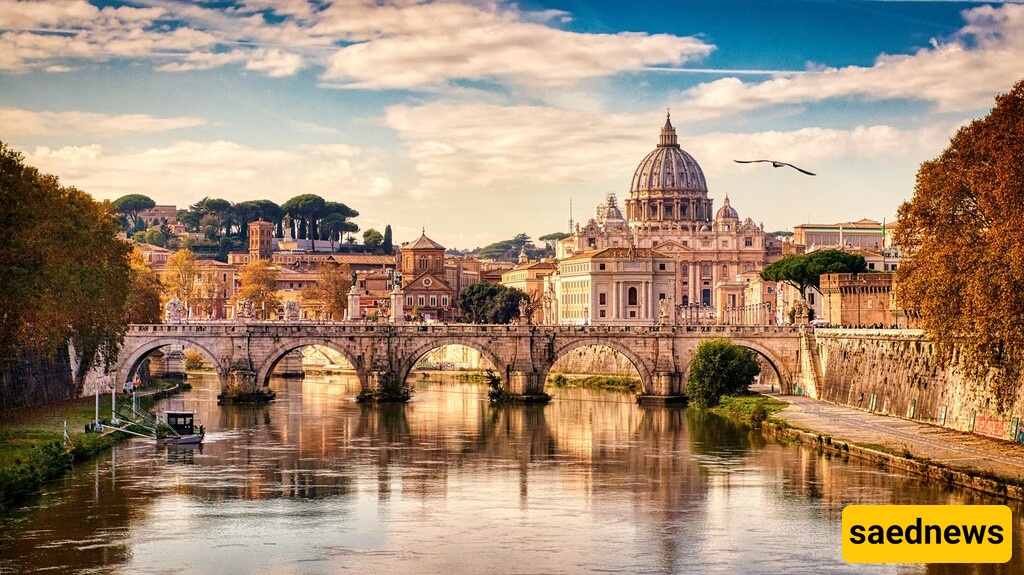
The atmosphere also affects what travelers see. Moisture, dust, clouds, and other particles in the air can scatter light and influence visibility. Distant mountains or large landscapes may therefore look sharper under some conditions and softer under others.
Weather can amplify the difference. A destination photographed under clear morning skies may have a very different appearance later if clouds move in, even though the physical landscape has not changed.
• Color: Warm, low-angle sunlight can make surfaces appear more golden, while midday light often looks more neutral.
• Shadows: Buildings, trees, and other structures cast changing shadows that alter patterns across the scene.
• Crowds and activity: Streets, markets, viewpoints, and public spaces can feel completely different as the number and movement of people change.
Human activity is another important part of a destination's appearance. A quiet street early in the day may become lively later as shops open, visitors arrive, and local residents move through the area. Similarly, a viewpoint can feel peaceful at one hour and busy at another.
For travelers hoping to photograph a place, timing can therefore be almost as important as the location itself. Early morning and late afternoon often provide distinctive light, while different times of day can reveal different patterns of activity and atmosphere.
Ultimately, the destination itself may not have changed at all. What changes is the combination of sunlight, shadows, atmospheric conditions, weather, and human activity. That is why visiting the same place at different times can sometimes feel like seeing an entirely different destination.