SAEDNEWS: Luxembourg is a small, enchanting, and beautiful country renowned for its captivating natural landscapes, distinctive architecture, and rich historical heritage.
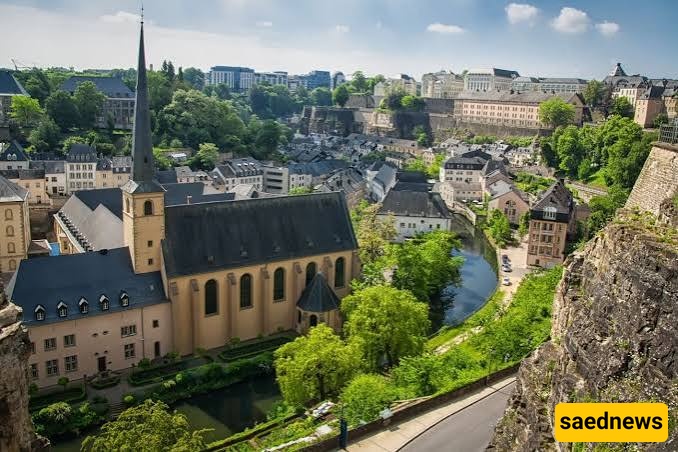
According to Saednews, Luxembourg offers a fascinating blend of medieval heritage, modern architecture, breathtaking natural landscapes, and multicultural charm. From centuries-old castles and fortifications to contemporary museums and elegant city streets, this small European country provides an impressive variety of experiences. Visitors can explore the enchanting forests of the Ardennes, walk through the scenic Moselle Valley, wander along the cobblestone streets of picturesque villages, and relax in cafés where people from around the world come together. If you are looking for an unforgettable European adventure, discovering where Luxembourg is and what makes it special is a great place to start.
Luxembourg is a small landlocked country in northwestern Europe, situated between Belgium, France, and Germany. Covering approximately 2,586 square kilometers, it is one of the world’s smallest countries. Its population reached around 656,000 in 2023. Luxembourg has a temperate, relatively rainy climate, with the northern parts generally being slightly cooler and wetter than the south.
Luxembourgish (Lëtzebuergesch) is the country’s native language. It is a Germanic language with strong French influences. French and German are also widely spoken throughout the country.
The official currency is the euro. Luxembourg is a predominantly Catholic country, while Protestant, Jewish, and Muslim communities make up religious minorities.
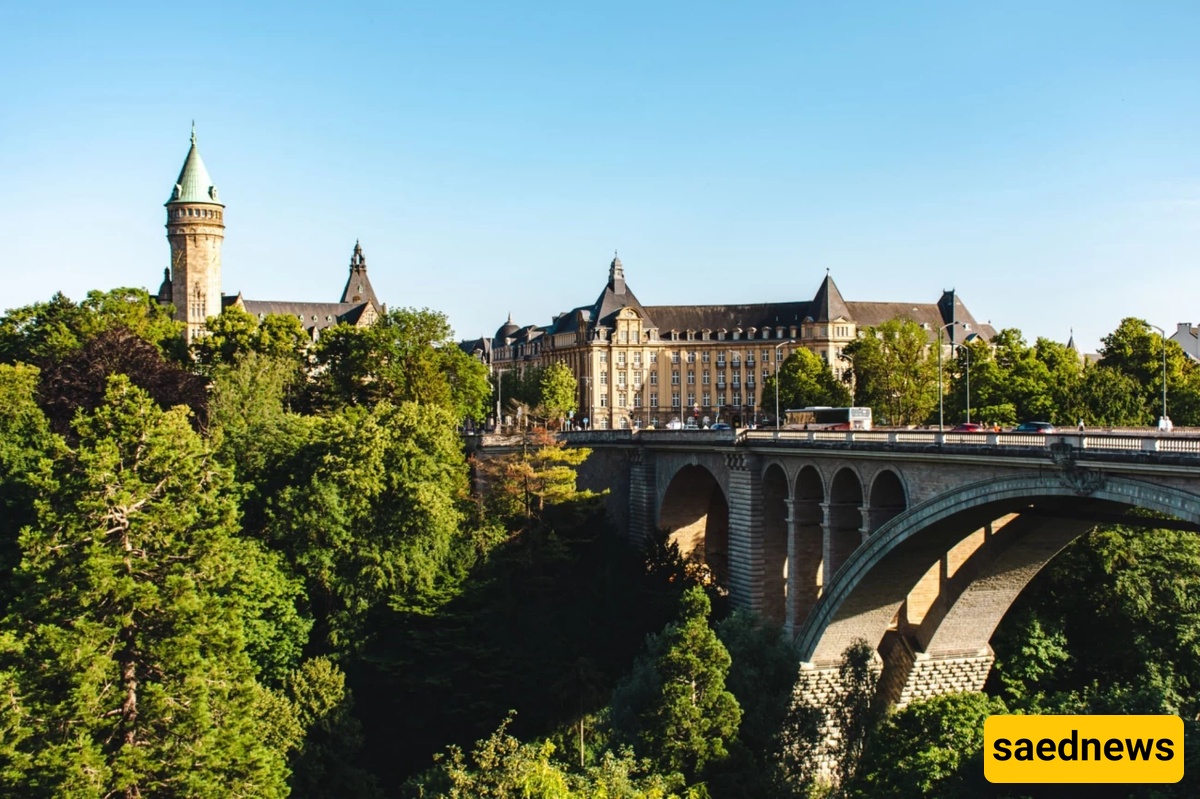
Although Luxembourg was not always fully autonomous throughout its history, it has maintained an independent government since the 10th century. Its political system is a constitutional monarchy with parliamentary democracy.
The Grand Duke or Grand Duchess serves as the ceremonial head of state, while the prime minister leads the government. Luxembourg is known for its political stability and long-standing commitment to neutrality. The country is also home to several important European institutions, including the Court of Justice of the European Union and the European Investment Bank.
The Grand Ducal Family plays an important role in Luxembourg’s political and cultural life. The family is currently headed by Henri, Grand Duke of Luxembourg, who became Grand Duke in 2000. He is the eldest son of Grand Duke Jean and Princess Joséphine-Charlotte of Belgium and is also a cousin of King Philippe of Belgium.
Although the Grand Ducal Family does not exercise executive political power, its members represent Luxembourg both domestically and internationally. Their responsibilities include participating in state visits, welcoming foreign officials, attending official ceremonies, and supporting Luxembourg’s diplomatic relationships.
Luxembourg’s culture and history have been deeply shaped by its neighboring countries. Its strategic position has made it an important territory throughout European history, and the country has experienced the rise and fall of various empires.
As a result, Luxembourg’s cultural identity reflects strong French, German, and Belgian influences. This multicultural character can also be seen in the languages spoken across the country. Luxembourg is well known for its multilingual population, appreciation of the arts, and respect for freedom of expression.
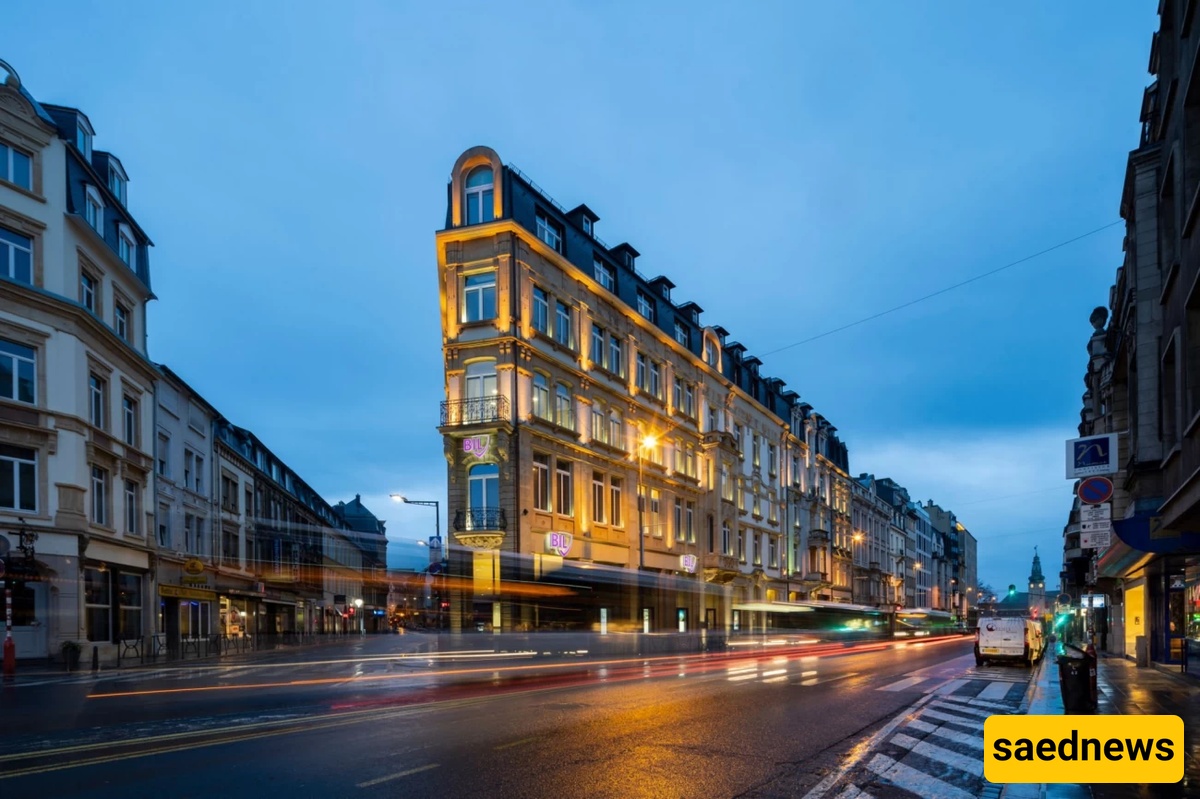
The capital, Luxembourg City, is a UNESCO World Heritage Site. Its historic fortifications and contemporary architecture create a remarkable contrast. After World War II, Luxembourg also played an important role in the development of European integration and became one of the founding members of the European Union.
Despite its small size and relatively modest population, Luxembourg is packed with attractions. Many of the country’s most popular sights are located in or around Luxembourg City, while its smaller towns and villages offer their own distinctive charm.
A visit to Luxembourg City is best started in its historic Old Quarter, which was designated a UNESCO World Heritage Site in 1994. The area developed around an impressive ancient fortress that earned Luxembourg the nickname “Gibraltar of the North” because of its remarkable defensive strength throughout history.
Much of the original fortress was dismantled between 1867 and 1883, but its influence remains visible throughout the historic district. Today, former fortifications have been transformed into attractive parks and gardens, while cobblestone streets are lined with historic buildings and charming houses.
With its bridges, viewpoints, narrow lanes, and historic architecture, the Old Quarter is ideal for sightseeing, photography, and leisurely walks. Visitors can reach the area by train, taxi, bus, or car, with public parking facilities available nearby.
Luxembourg’s museums offer fascinating insights into the country’s past and culture, and the National Museum of History and Art is one of the highlights.
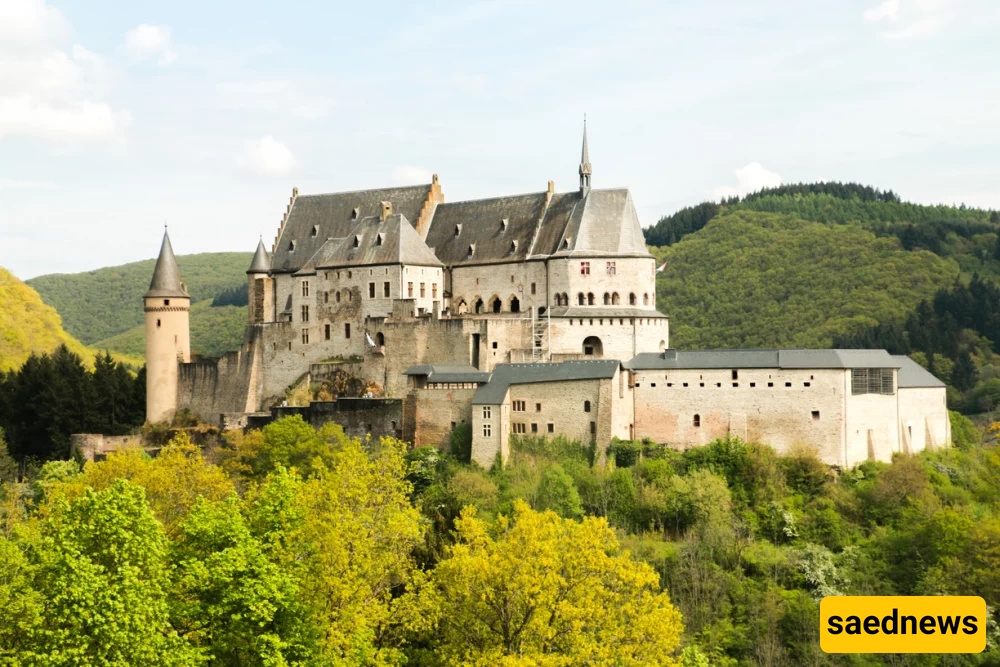
Located on the site of the historic Fish Market, the museum combines impressive modern architecture with an extensive collection covering Luxembourg’s history and artistic heritage. Exhibits include artworks, archaeological discoveries, furniture, tools, coins, weapons, and historical documents.
The contemporary art section is also worth exploring, featuring works by important artists from the 20th century. English-language guided tours are available, and the museum also includes a research library and a shop.
Art lovers can also visit the Am Tunnel Contemporary Art Gallery, housed inside an old underground tunnel and featuring a distinctive collection of modern artworks.
The Bock Rock is home to the entrance to the famous Bock Casemates, an extensive network of underground tunnels carved into the rock.
The tunnels stretch for roughly 21 kilometers and were designed to protect thousands of people while also providing space for military equipment and horses. Some sections date back to the period of Spanish rule in the 17th century.
Today, visitors can explore parts of these historic fortifications on foot. Guided tours provide additional information about their fascinating military history. The Bock Rock itself also contains the remains of an old castle that were discovered in the 1960s.
The Grand Ducal Palace is among Luxembourg City’s most impressive landmarks. Dating back to the Renaissance period, with its original construction beginning in 1572, the building serves as the official residence of Grand Duke Henri and his family.
The structure was initially built as the city hall before becoming a royal residence in 1890.
Although the palace remains an official residence, visitors can enter during specially organized guided tours held during part of the year. These tours provide an opportunity to admire the palace’s elegant interiors and ceremonial rooms, which are used for important occasions and official visits.
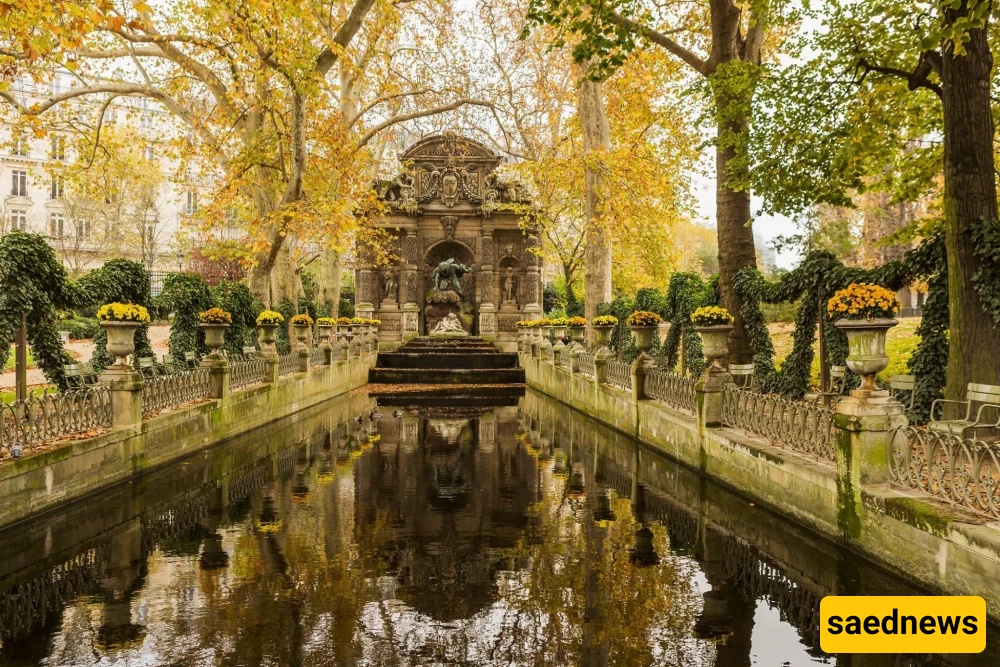
Known as the “most beautiful balcony in Europe,” the Chemin de la Corniche offers spectacular views over Luxembourg City and the Grund district.
The historic promenade runs along the former defensive walls above the Old Quarter. Along the area are historic buildings, religious landmarks, and remnants of Luxembourg’s medieval defenses.
Nearby, visitors can explore the Neumünster Abbey, the Church of St. Michael, and other historic structures. The combination of ancient architecture, dramatic scenery, and views across the lower city makes the Corniche one of Luxembourg’s most memorable walking routes.
Place Guillaume II is one of the central attractions of Luxembourg City. Once occupied by a Franciscan convent, the square is now primarily a pedestrian area and an important gathering place.
At its center stands an equestrian statue of William II, King of the Netherlands and Grand Duke of Luxembourg. The square also hosts a weekly market and is home to the city’s impressive town hall.
Nearby stands the historic House of Raville, a 16th-century building known for its attractive façade, restored balcony, and spiral staircase. Numerous cafés and restaurants around the square make it an ideal place to take a break, enjoy a meal, or simply watch the city go by.
Those interested in contemporary art and striking modern architecture should visit MUDAM, the Grand Duke Jean Museum of Modern Art.
Opened in 2006, the museum has become one of Europe’s notable contemporary art institutions. Its collection includes works by internationally recognized artists such as Bruce Nauman, Andy Warhol, and Julian Schnabel.
In addition to its permanent collection, MUDAM regularly hosts temporary exhibitions, making it a worthwhile destination for visitors interested in contemporary artistic trends.
The charming town of Echternach lies along the Sûre River, which forms part of the border between Luxembourg and Germany. The surrounding area is known for its natural beauty, including the Mëllerdall Nature Park and the German-Luxembourg Nature Park.
Hundreds of hiking trails pass through the surrounding forests, leading to dramatic rock formations, waterfalls, lakes, and scenic viewpoints.
One of Echternach’s best-known traditions is its centuries-old dancing procession, held annually on a Tuesday. Historic aristocratic houses, narrow streets, and ancient defensive walls have helped the town retain much of its medieval character.
One of its most important landmarks is the seventh-century abbey, once a Benedictine monastery. Today, it is renowned for its architecture and museum. Its crypt contains an impressive white marble sarcophagus holding the remains of St. Willibrord, the founder of the abbey. The tomb is decorated with medieval murals dating back to around the 10th century.
From late May to late June, the town also hosts the Echternach International Music Festival, offering visitors an opportunity to enjoy performances in a historic setting. The town has a wide range of restaurants, shops, galleries, boutiques, and hotels.
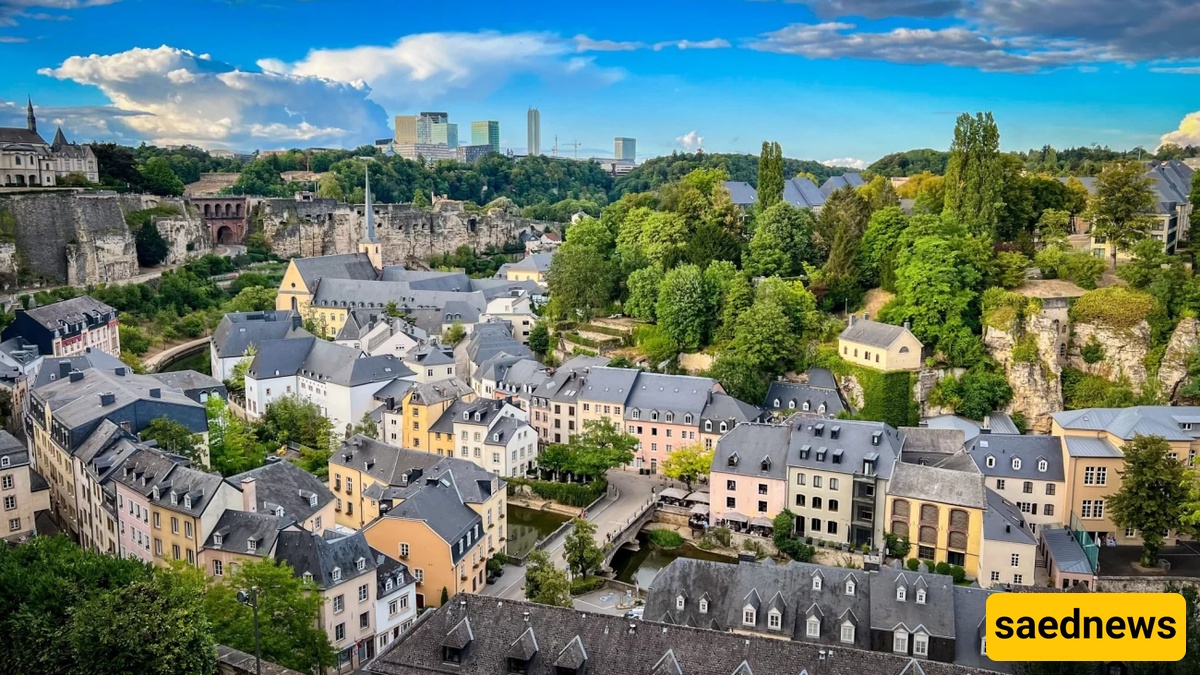
While Luxembourg City sits in a relatively open landscape, the Ardennes offer a completely different experience. The region is characterized by dense forests, elevated plateaus, wooded hills, hidden valleys, and dramatic scenery.
The Ardennes are also historically significant. During the final stages of World War II, the region became the scene of Hitler’s last major offensive on the Western Front.
The area is dotted with castles, fortifications, historic farms, and picturesque villages. One of the most attractive towns is Wiltz, which is divided into two parts and is known for outdoor theater and music festivals. Visitors can also explore Wiltz Castle and the Battle of the Bulge Museum.
Another worthwhile destination is the picturesque village of Clervaux, situated in a narrow valley along the Clerve River. The village is home to the Benedictine Abbey of St. Maurice and St. Maur, another important cultural and religious landmark.
The village of Bourscheid sits on a plateau between the Sûre and Wark rivers and is surrounded by beautiful natural landscapes.
Visitors can enjoy scenic walks through the countryside and explore nearby villages. During warmer weather, Bourscheid-Plage and Dirbach are popular places for swimming, relaxing, and enjoying the outdoors.
The main attraction is Bourscheid Castle, dramatically positioned on a hill approximately 137 meters above the surrounding landscape. Dating back to the 10th century, the castle has undergone extensive restoration and is now open to visitors.
From medieval fortresses and royal residences to contemporary museums, peaceful forests, picturesque villages, and spectacular river valleys, Luxembourg offers an extraordinary variety of experiences despite its small size. Its combination of European history, multicultural traditions, natural beauty, and modern sophistication makes it an appealing destination for travelers seeking something beyond the usual European tourist routes.